Mahfi Eğilmez, a renowned economist and former Undersecretary of the Turkish Treasury, has provided a comprehensive analysis of the 2026 Strait of Hormuz crisis, examining the economic costs and geopolitical shifts for key players including Iran, the United States, Israel, and Turkey.
Today, July 1, 2026, as global oil markets reach relative stability after months of turbulence caused by military conflicts in the Persian Gulf, prominent economist Mahfi Eğilmez has dissected the economic "invoice" or bill of this crisis in an analytical report. This analysis, which has been widely reflected on his personal website and in the "Marmara Bölge" newspaper, focuses on strategic and financial consequences beyond military aspects [1].
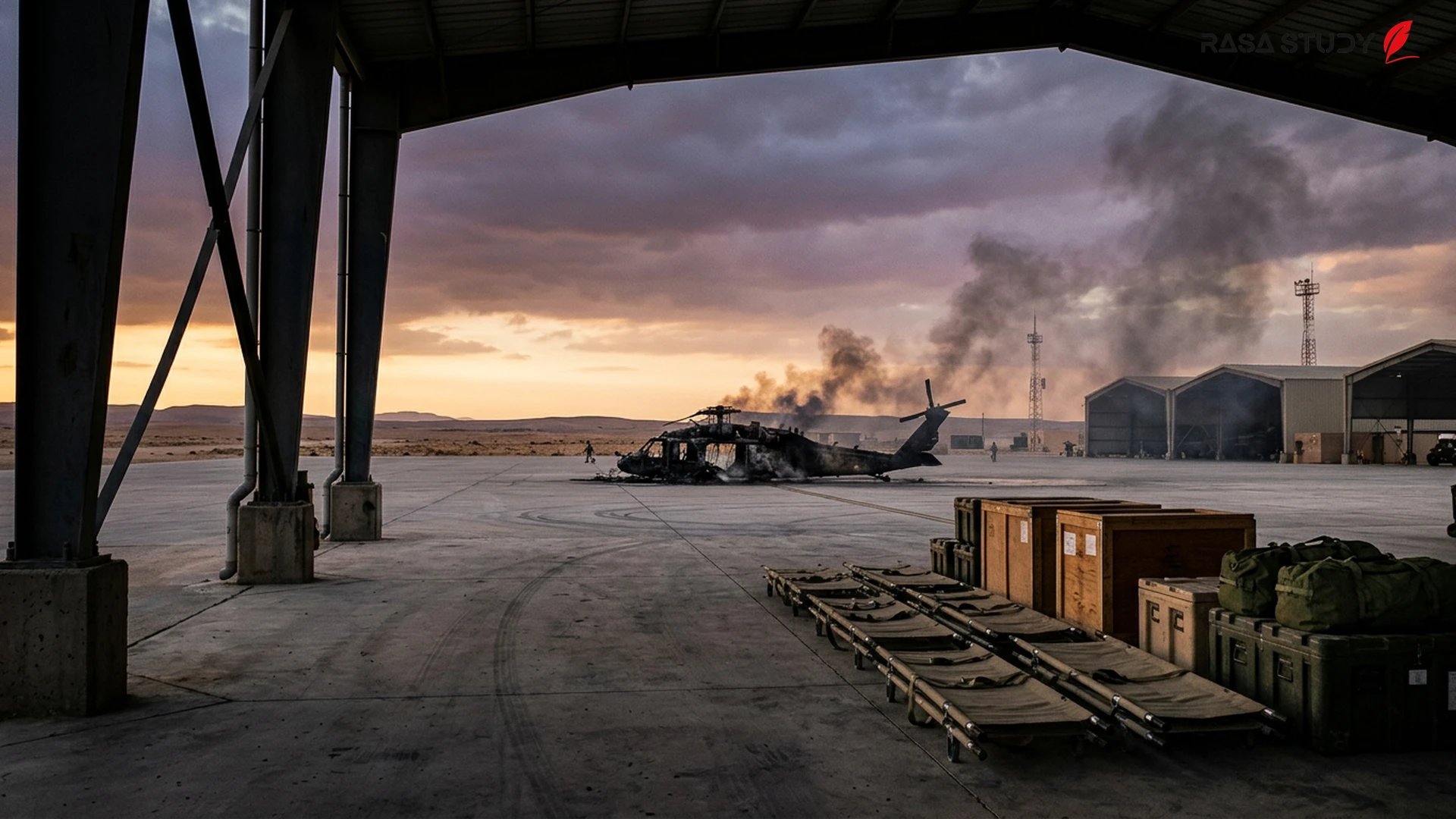
The Hormuz Crisis: Beyond a Military Conflict The 2026 crisis, which began with the closure of the Strait of Hormuz in March, marked the largest disruption in energy supply in modern history [4]. Eğilmez believes that in this crisis, the main issue was not "military power," but rather the ability of countries to gain political and economic advantages in the medium term. According to him, although oil prices reached above $126 at the height of the crisis, recent agreements in June 2026 have charted a new path for the region's economy [2].
Iran and the United States: Heavy Costs and Political Gains According to Eğilmez's analysis, despite enduring heavy military pressure and damage to its energy infrastructure, Iran managed to remain a key player at the negotiating table. The signing of a memorandum of understanding on June 17, 2026, between Tehran and Washington indicates that Iran, despite exorbitant costs, has been able to secure concessions such as the lifting of some sanctions and the release of frozen assets [1][4].
In contrast, Eğilmez believes that the United States is facing a "credibility crisis." Washington's inability to manage the crisis unilaterally and keep the strait open without a political agreement has weakened America's deterrence position in the region. Furthermore, inflation caused by the oil shock within the US put significant political pressure on the current administration [2].
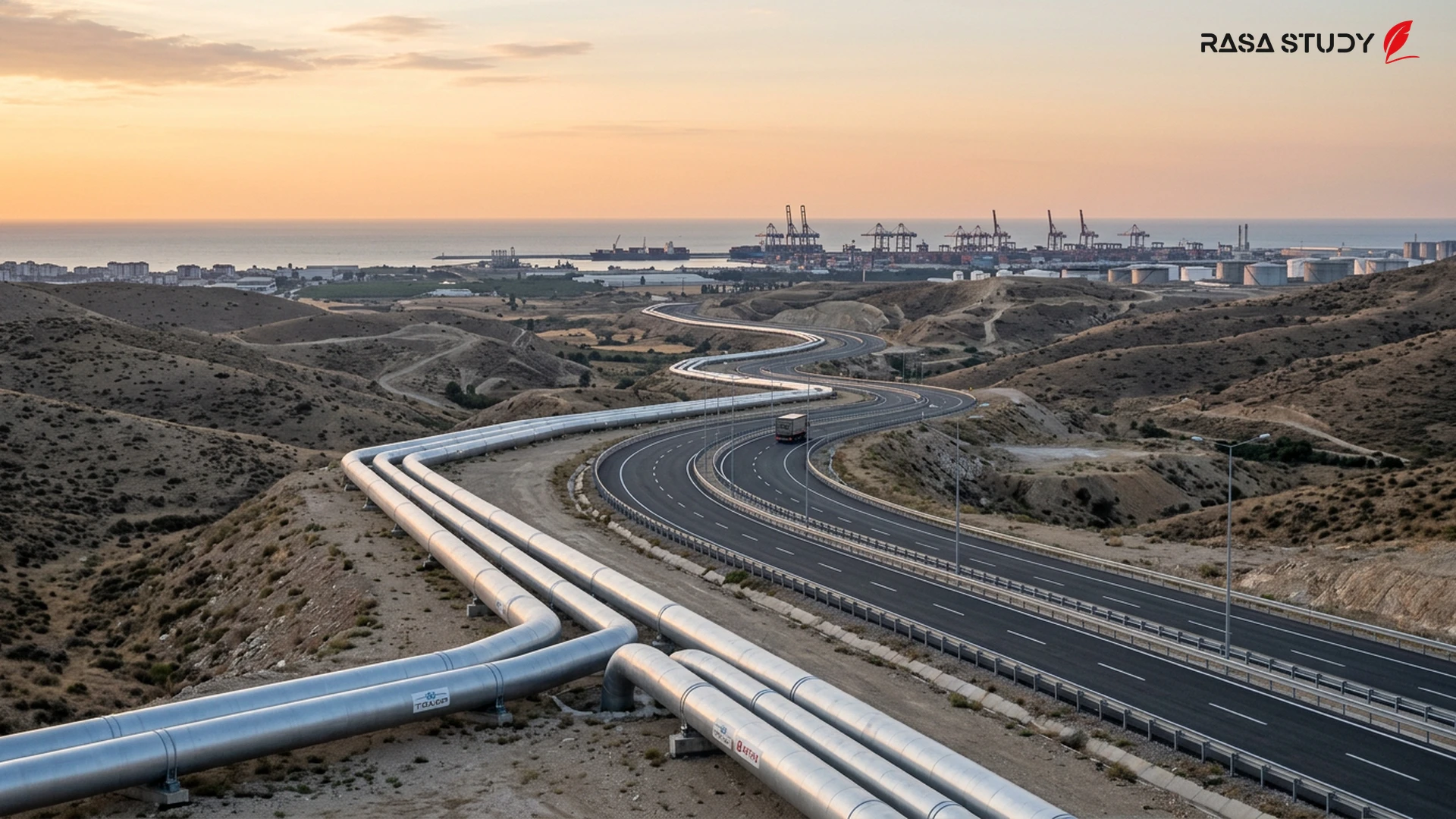
Turkey in the Midst of Crisis: Inflationary Pressure and Geopolitical Value For Turkey, this crisis was a double-edged sword. Eğilmez points out that every $10 increase in oil prices added approximately $2.5 billion to Turkey's trade deficit and severely affected the inflation rate [1]. However, the closure of traditional routes increased Turkey's geopolitical value as an alternative energy corridor and diplomatic mediator. The economist emphasizes that Turkey must now use this position to strengthen its logistical infrastructure [2].
Hidden Winners: Russia and China Ultimately, Eğilmez considers Russia and China as the strategic winners of this situation. Russia benefited greatly from the rise in oil prices over the past months, and China insured its energy security against future tensions by diversifying its energy supply routes and investing in corridors outside of Hormuz [1][3]. He warns that if the current agreements are not fully implemented, the risk of oil prices returning to the $100 range still exists.
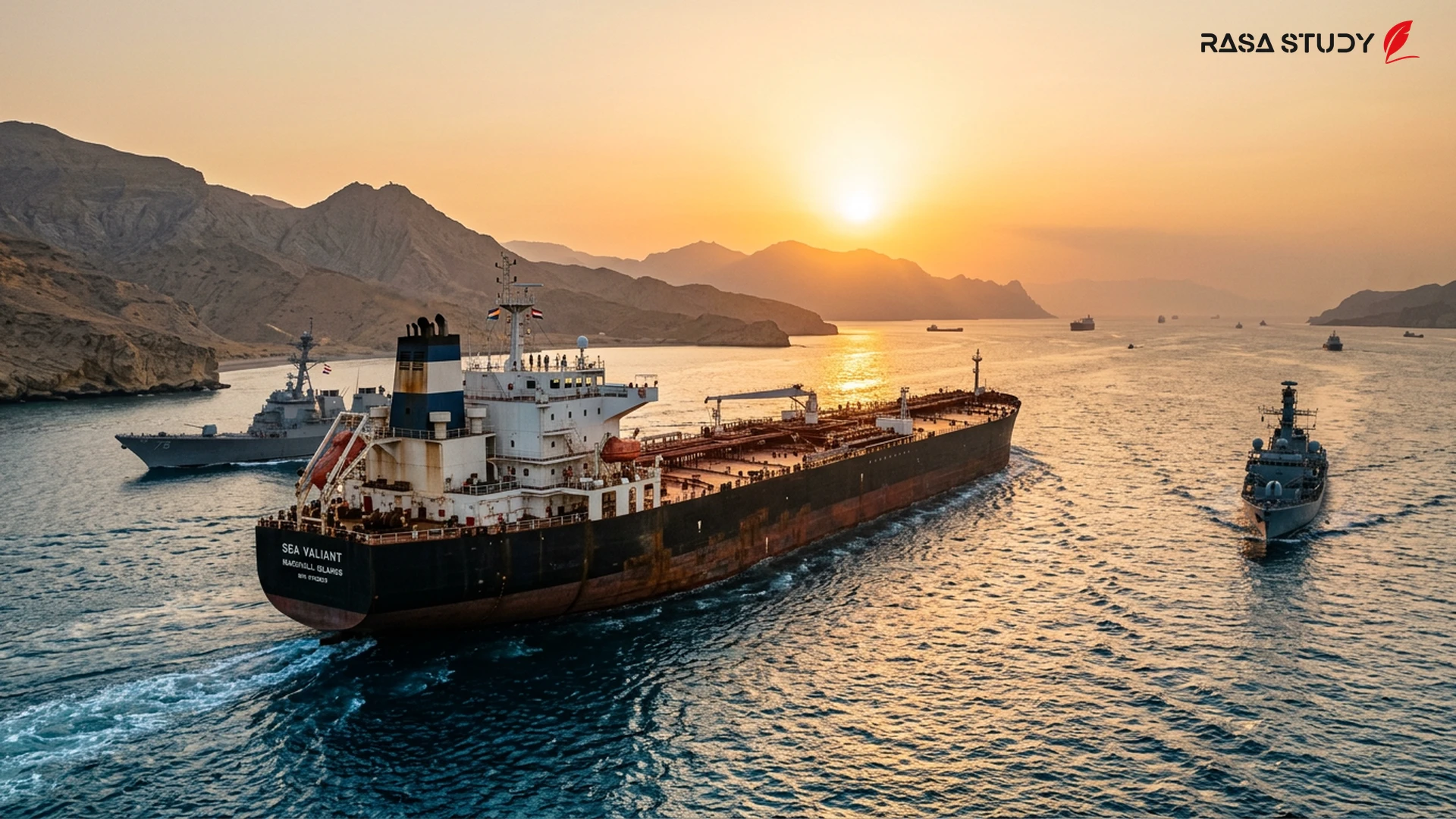
The Strait of Hormuz, the world's vital energy artery, at the center of Mahfi Eğilmez's economic analyses in July 2026.
linkSources
- Mahfi Eğilmez Hürmüz Krizi'nin Faturasını Çıkardı — Marmara Bölge Gazetesi (2026-07-01)
- Hürmüz Krizinin Kazananları ve Kaybedenleri — Kendime Yazılar (2026-06-17)
- The 2026 Strait of Hormuz Crisis: Geopolitics and Energy Markets — ResearchGate (2026-04-22)
- Ceasefire and Memorandum of Understanding: June 2026 — Britannica (2026-06-30)