With the collapse of traditional power patterns following recent tensions, the Middle East has entered a "Hybrid Transition Period" in June 2026; a stage where new actors such as Turkey and Pakistan are redefining the region's security architecture.
In June 2026, the Middle East region is witnessing one of its most complex periods of geopolitical transformation. According to analyses published by Anadolu Agency, the region is now in a "hybrid transition period"; a state where the old order and the previous status quo have collapsed, but the new order has not yet fully formed [1]. This historical vacuum has provided the opportunity for the emergence of new regional powers and a shift in the balance of power.
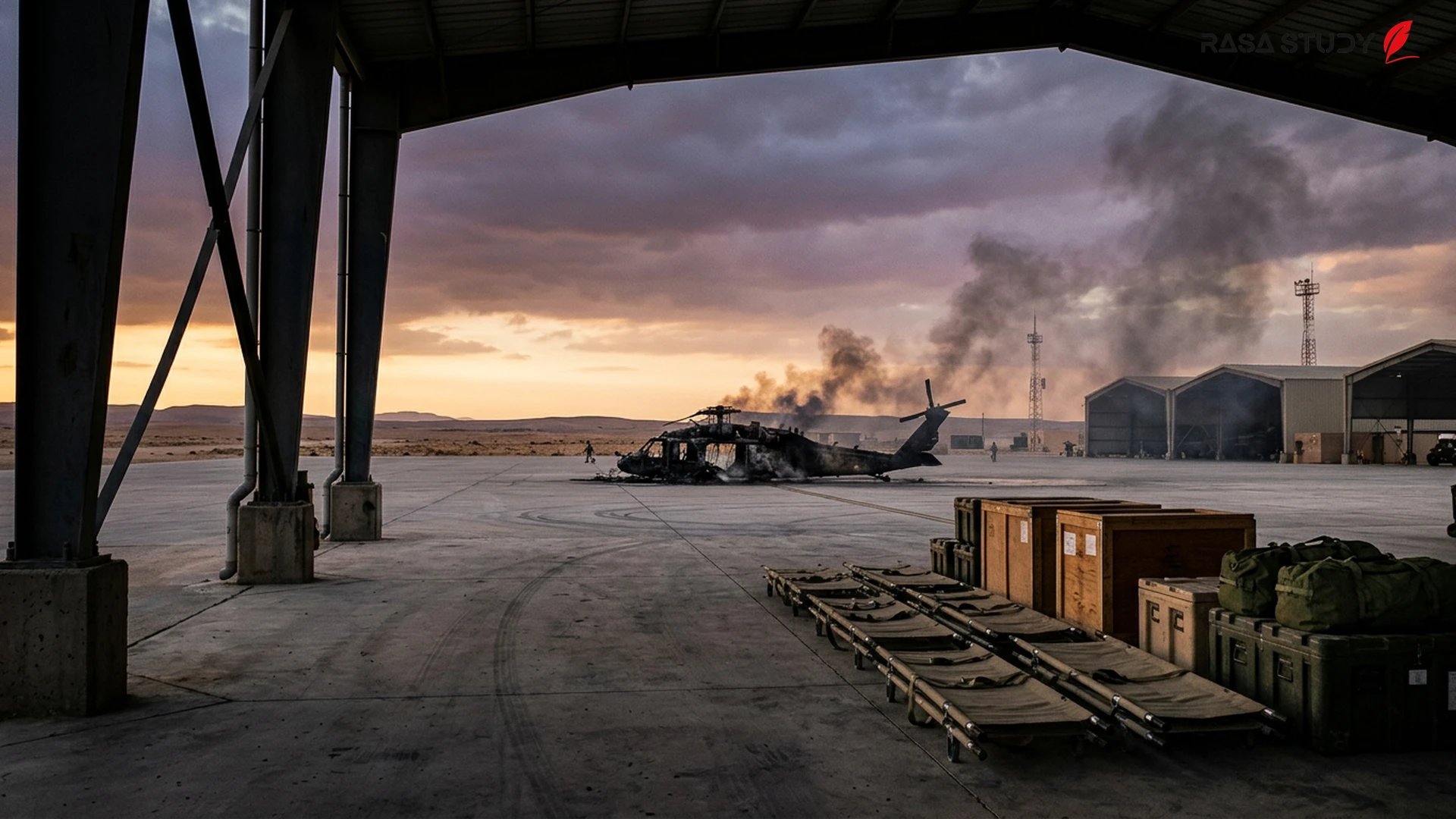
The Concept of Hybrid Transition and the End of the Old Order The current period is characterized by the simultaneous weakening of "Iranian revisionism" and the "security-centric search by Israel." Following military conflicts that occurred in early 2026 (from February to April) between the United States, Israel, and Iran, the region's traditional security structures were severely damaged [1]. These developments have placed the region in a state that analysts describe as "the death of the old world and the wait for the birth of a new world." In this context, traditional actors are no longer able to impose their will alone, and the need for multilateral coalitions is felt more than ever.
New Diplomacy and the Role of Mediators One of the most important features of this period is the change in diplomatic tools. After months of tension, the signing of a Memorandum of Understanding mediated by Pakistan in June 2026 is considered a serious step toward a diplomatic solution [1]. International reports also confirm that negotiations in Switzerland to achieve a lasting ceasefire have reached critical stages [2]. In this process, countries like Pakistan and Qatar have emerged not only as mediators but as guarantors of stability in the new order. The role of General Asim Munir, the Chief of Army Staff of Pakistan, in facilitating these talks has become a key variable in the new security equations.
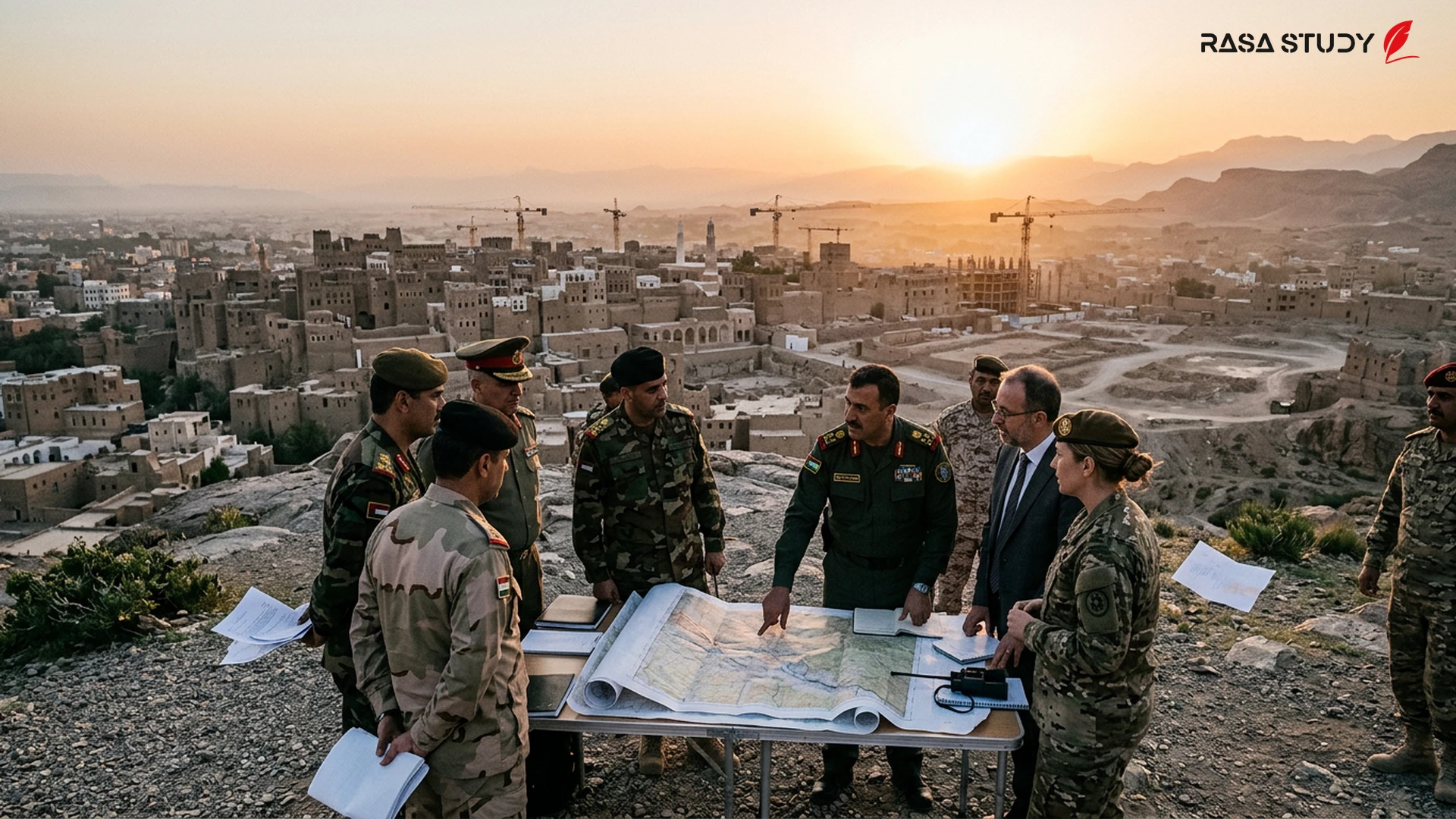
The Emergence of New Actors and Turkey's Position In this changing security architecture, Turkey is recognized as one of the leading actors. Advanced defense capabilities, the capacity to resolve regional crises, and an active role in the power transition process in Syria have turned Ankara into a hub of stability in the region [1]. In addition to Turkey, new coalitions involving Saudi Arabia, Egypt, and Qatar are forming, aiming to prevent state collapse and create an indigenous security umbrella without full reliance on extra-regional powers.
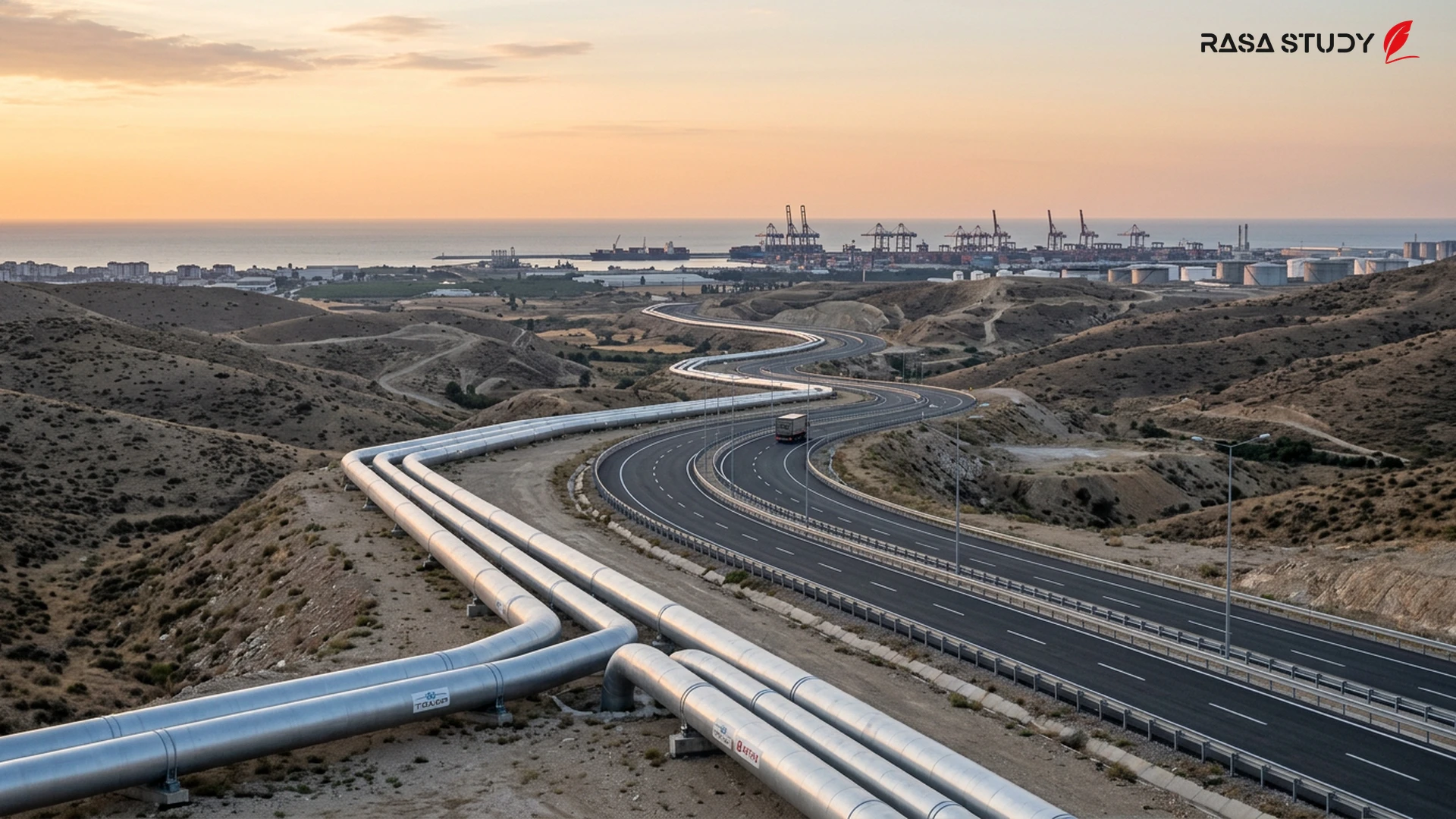
Future Outlook: Toward a Multipolar Order The Middle East is moving toward a multipolar order in the second half of 2026. In this order, political figures such as Mohammad Bagher Ghalibaf in Iran and military and diplomatic leaders in neighboring countries will play decisive roles in managing the post-war era [1]. Although the path ahead remains fraught with economic and security challenges, the focus on economic integration and regional defense cooperation promises an exit from the chronic crises of past decades [3].
The shift in the balance of power in the Middle East following early 2026 tensions and the mediating role of regional powers.
linkSources
- Hibrit geçiş döneminde Orta Doğu: Bozulan statüko ve yeni aktörler — Anadolu Ajansı (2026-06-24)
- US and Iran make progress in talks on peace deal — Bloomberg (2026-06-22)
- The Middle East in 2026: Between Progress and Conflict — Shafaqna / Economist (2025-12-17)