Months into the leadership of Ayatollah Mojtaba Khamenei, recent statements by him and senior Tehran officials regarding Turkey indicate a strategic effort to maintain relations with Ankara amidst the region's recent military crises.
Today, July 17, 2026, the Middle East is passing through one of its most sensitive historical periods as statements issued by Iran's new leadership have been widely reflected in the Turkish media. Following the assassination of Ayatollah Ali Khamenei in February 2026 and the succession of his son, Mojtaba Khamenei, Tehran's approach toward its neighbors, particularly Turkey, has come under close scrutiny by analysts [1].
Tehran's Clear Message: Turkey is Our Red Line In recent days, coinciding with the conclusion of the late Iranian leader's official funeral ceremonies in Mashhad, a written statement was released by Mojtaba Khamenei emphasizing the necessity of maintaining stability on shared borders and strengthening brotherly ties with Turkey. This comes after the new Iranian leader explicitly denied Tehran's involvement in suspicious attacks on Turkish and Omani soil in March 2026, labeling them "false flag" operations by enemies intended to create division among neighbors [3][4].
Controversy Over "Not Targeting Trump" on Turkish Soil One of the most controversial parts of recent remarks, reflected in media outlets such as MSN and Turkish sources, concerns statements by Ezzatollah Zarghami, a figure close to the central core of power in Iran. On July 8, 2026, he revealed that Iran had the potential to target Donald Trump during his trip to Turkey but refrained from doing so out of "respect for neighborhood rights" and the preservation of Turkish national security [2]. These remarks indicate a dual message: a demonstration of Iran's operational power on one hand, and an emphasis on the strategic importance of relations with Ankara on the other.
The Islamabad Agreement and Ankara's Mediating Role While tensions between Iran and the Western-Israeli coalition remain high following the recent war, the "Islamabad Agreement" has emerged as a fragile ceasefire. Mojtaba Khamenei noted in recent messages that although he opposed certain clauses of the negotiations, he agreed to it due to government guarantees to preserve the rights of the nation and the Resistance Front [4]. In this context, Turkey, as a NATO member that simultaneously maintains close ties with Tehran, plays a key role in managing this balance of power [5].
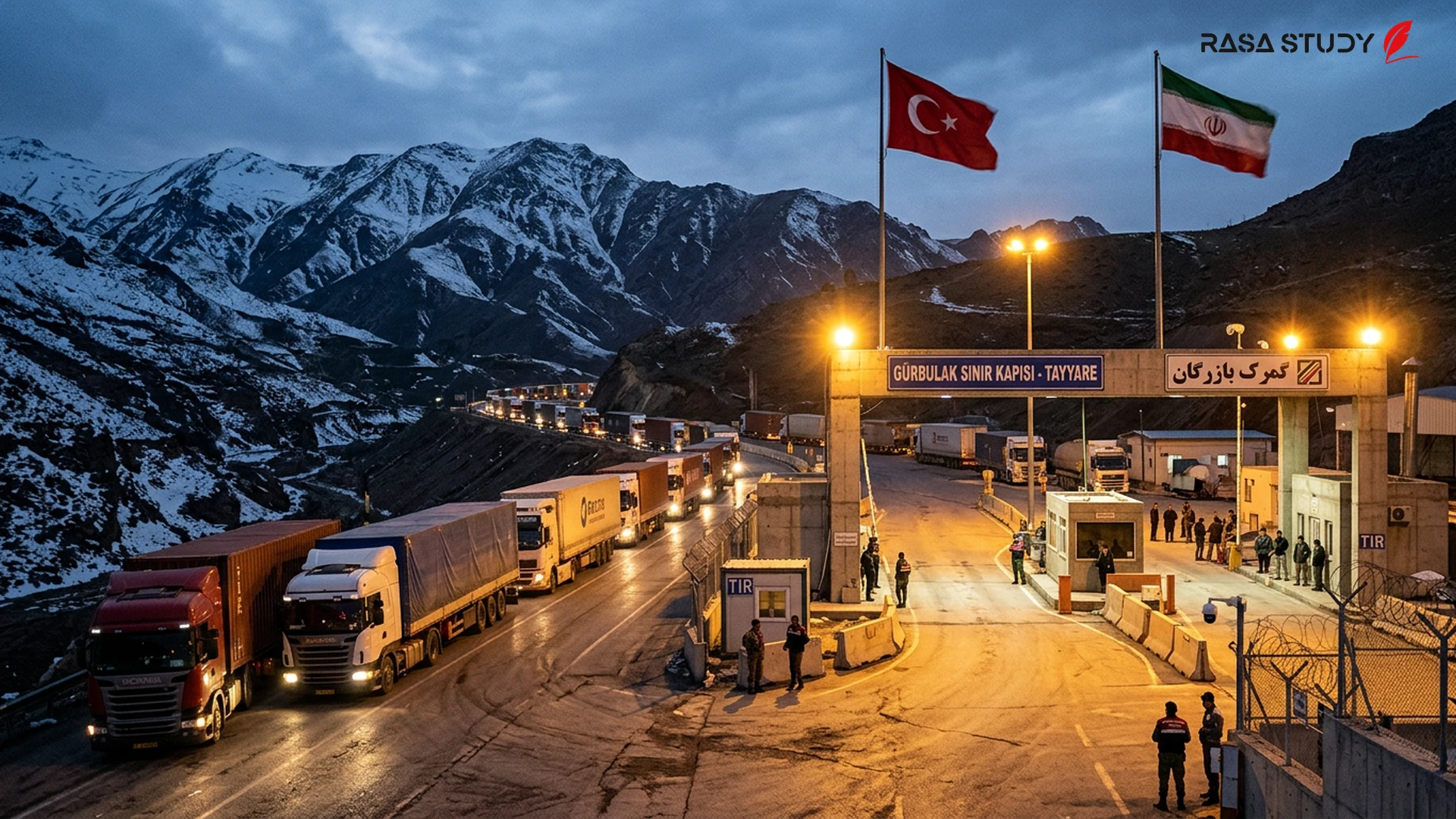
Outlook for Relations in the New Era Analysts believe the new Iranian leadership is attempting to use written diplomacy and targeted messaging to prevent Turkey from sliding completely toward the hostile front. The emphasis on "harsh revenge" against those behind the former leader's assassination, while aggressive in tone, has consistently been accompanied by provisions regarding the preservation of neighborly stability to ensure that the economic and border security of both countries is not undermined [1][2].
Relations between Tehran and Ankara have entered a new phase of security cooperation during the leadership of Mojtaba Khamenei.
linkSources
- Iran's supreme leader vows killers of father 'will be held accountable' — Middle East Eye (2026-07-11)
- İran Türkiye'ye Ne Mesaj Veriyor? 'Trump'ı Vurabilirdik' Çıkışı — HarayHaber (2026-07-08)
- İran'ın dini lideri Mücteba Hamaney'den Türkiye açıklaması — Ekonomim (2026-03-20)
- Iran's supreme leader pledges revenge for slain father and predecessor — Al-Monitor (2026-07-11)
- از بازآرایی ائتلاف غرب و کاسبی ترکیه تا جایگاه ایران در نظم نوین امنیتی — Diplomacy Iranian (2026-07-17)