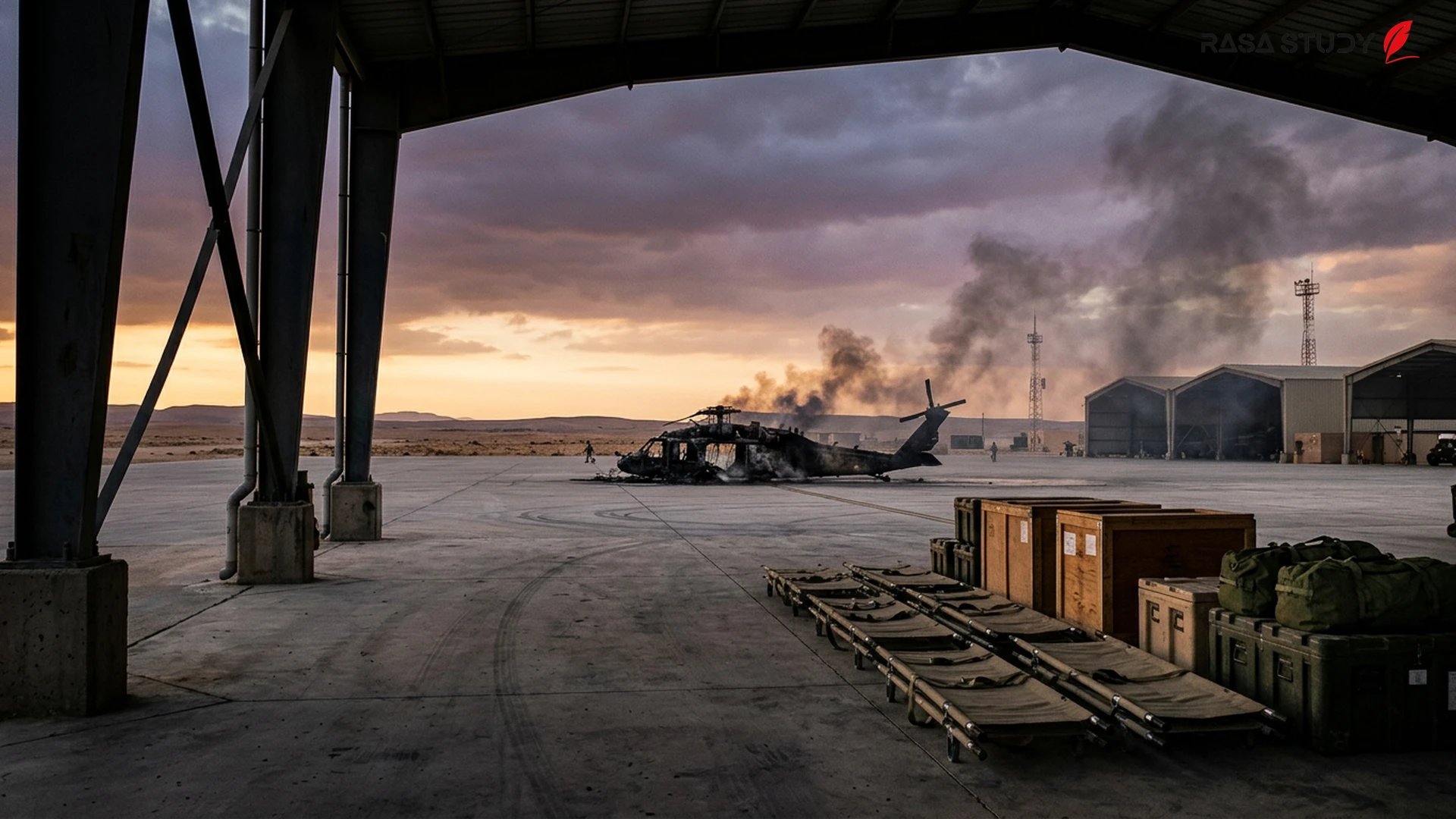
Mustafa Balbay, a prominent Turkish journalist, reported in a Cumhuriyet newspaper note dated July 16, 2026, on the formation of an "Islamic Siege" around Iran, which, coinciding with the return of the US naval blockade, has placed Tehran in an unprecedented geopolitical squeeze.
Analysis of the "Islamic Siege" in Balbay's Note Mustafa Balbay, in his column today in Cumhuriyet, examined Iran's current situation with a shocking title. He believes that after the recent NATO summit in Ankara, Turkey was able to receive a "full grade" from the negotiation table, but in contrast, Iran is facing a phenomenon he calls an "Islamic Siege" [1]. This term refers to the alignment of regional countries and Muslim powers with the deterrence strategies of NATO and the United States, aimed at completely isolating Tehran in the new regional security equations.
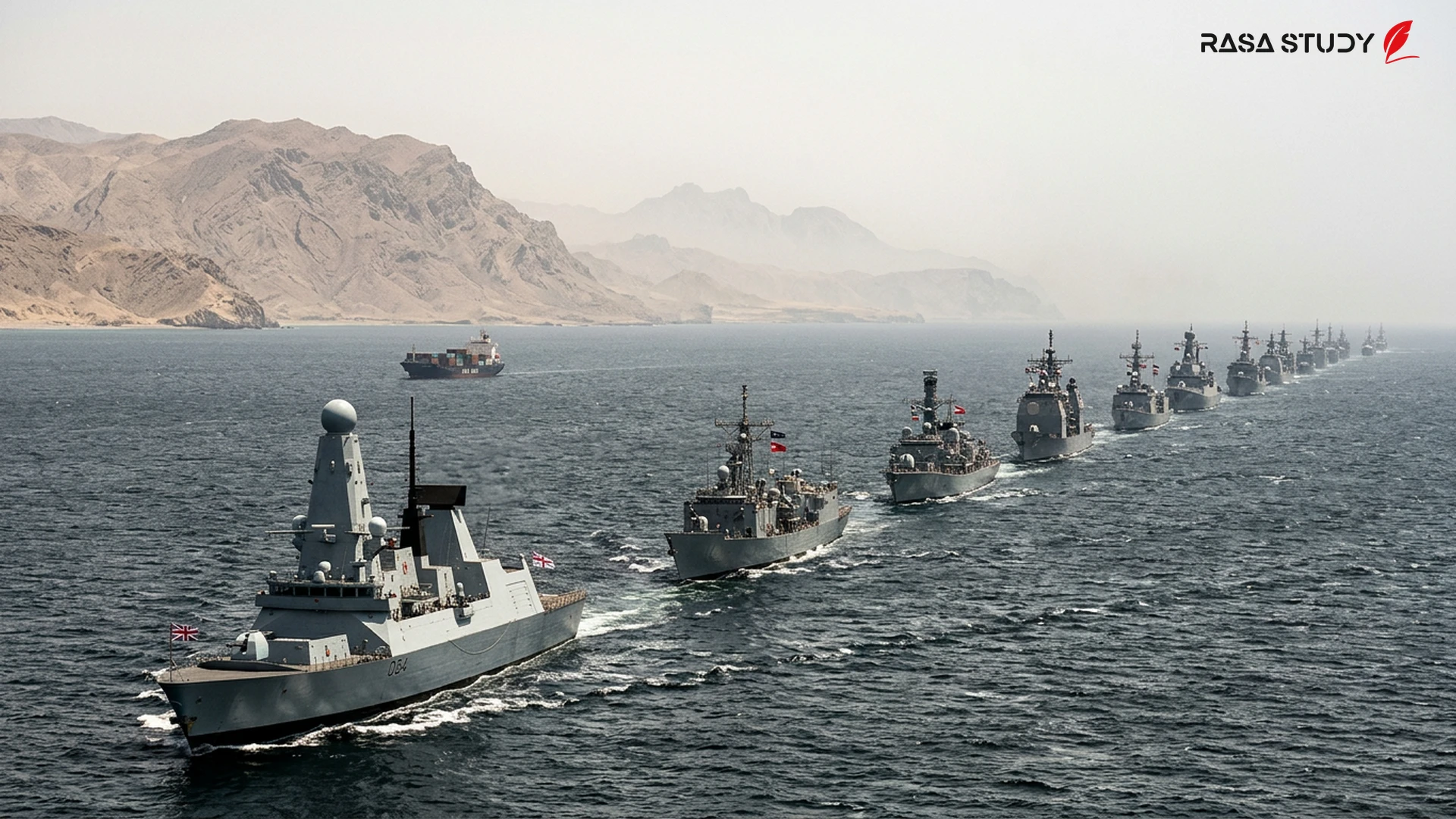
Return of the Naval Blockade and the Strait of Hormuz Crisis This analysis is published as the United States officially reimposed a naval blockade on Iranian ports on July 15, 2026 [2]. According to news sources, this action was taken in response to recent attacks on commercial ships in the Strait of Hormuz. US President Donald Trump announced in a sharp tone that the United States will take control of the Strait of Hormuz and called on regional countries to pay the cost of securing this strategic waterway [3]. This military pressure complements the diplomatic siege Balbay mentioned in his note.
Tehran's Isolation in the Post-Succession Era Internal conditions in Iran have also added to the complexity of this siege. Following the assassination of Ali Khamenei in February 2026 and the holding of a long-term funeral ceremony in July, Mojtaba Khamenei, as the new leader, now faces internal legitimacy challenges and crushing external pressures [2]. Balbay notes that the Islamic countries of the region, instead of supporting Tehran against Western threats, have moved toward a new security architecture in which Iran has no place. This shift in position, especially by the Arab countries of the Persian Gulf, indicates the failure of Tehran's regional diplomacy in recent months.
Strategic Consequences for the Region According to Balbay, the NATO summit in Ankara was a turning point where Turkey solidified its role as a bridge between the West and the Islamic world, while Iran was introduced as the main target of "deterrence policies" [1]. Given the recent US airstrikes on Iranian military facilities and the Revolutionary Guard's threat to completely cut off regional energy exports, the "Islamic Siege" could mean the end of the era of strategic patience and the beginning of a direct confrontation in which Tehran sees no serious ally even among its Muslim neighbors.
Military tensions in the Persian Gulf and the naval blockade of Iran reached their peak in July 2026.
linkSources
- İran’a İslam ablukası! — Cumhuriyet (2026-07-16)
- US reimposes blockade and steps up strikes as Iran threatens to halt Mideast energy exports — Associated Press (2026-07-15)
- Trump says US will take over Strait of Hormuz — Iran International (2026-07-14)