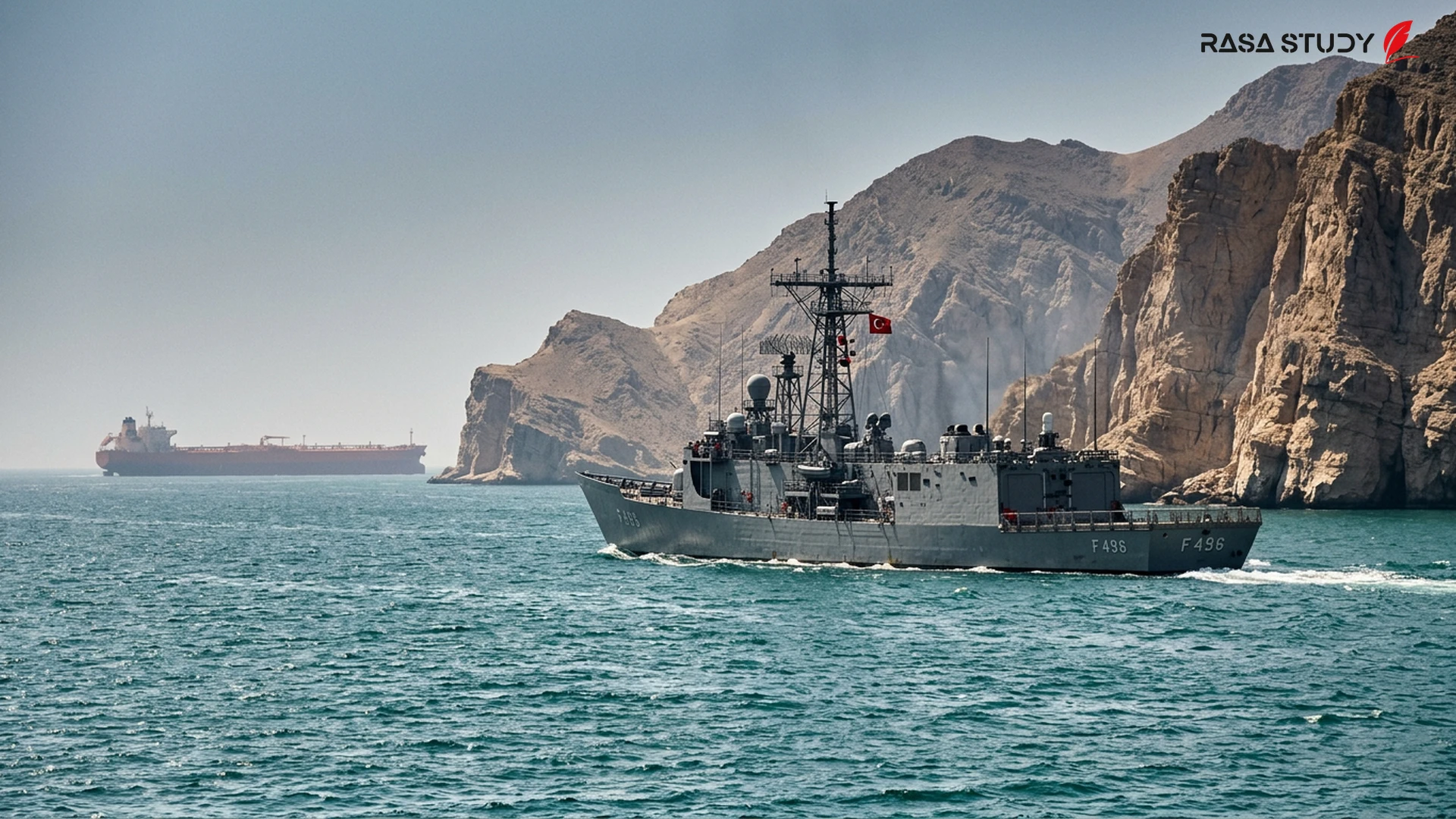
Just days after the conclusion of the NATO summit in Ankara, new developments in European missile defense and sudden policies from Washington in the Strait of Hormuz indicate a deep gap between diplomatic statements and field realities for Turkey.
The Ankara Summit and the Ignored Statement The NATO summit in July 2026, hosted by Ankara, concluded with an ambitious statement emphasizing maritime security in the Strait of Hormuz and strengthening European defense capabilities [2]. However, analytical reports show that only days after the ink dried on these signatures, Western allies have taken different paths that ignore Turkey's strategic interests. According to the newspaper 'Ekonomim', this situation reflects the rapid invalidation of political agreements in the face of the national interests of major powers [1].
European Missile Defense: Industrial Walling Against Ankara One of the major shocks for Ankara was the announcement of the formation of the 'Bliksem EXO' consortium on July 14, 2026. This project, formed with the participation of defense giants such as Airbus, Thales, and MBDA, aims to develop Europe's first exo-atmospheric missile defense system [4]. Despite Turkey hosting the NATO summit and having previously joined the 'European Sky Shield Initiative' (ESSI), it has no place in this key industrial project or in EU financial programs such as SAFE and EDIP [1][4]. This industrial isolation occurs while Turkey attempts to prove its indigenous capabilities with its 'Steel Dome' project, yet European allies continue to withhold Turkey's full integration into the advanced defense network due to political issues, including the Cyprus and Greece files [1].
Strait of Hormuz: From Trump's Tax to Tehran's Pressures On another front, US President Donald Trump sent a major shock through global markets by announcing a plan to impose a 20% tax on commercial shipments passing through the Strait of Hormuz [3]. Trump claimed the United States is the 'guardian angel' of the strait and should receive the costs of protecting it. Although he suspended the plan in favor of direct investments in the US following pressure from Arab allies in the Persian Gulf, the mere proposal of such a tax questioned the principle of 'freedom of navigation' emphasized in the NATO statement [1][3]. This move by Washington indirectly legitimized Tehran's positions, which has always claimed control over this international waterway and the right to collect security fees [1].
Strategic Implications for Ankara Developments in mid-July 2026 show that Turkey faces the risk of 'strategic isolation'; a situation where Ankara remains a legal member of NATO but is excluded from decisive technological networks, operational access, and new industrial alliances [1]. This gap between NATO's written commitments and the unilateral actions of its members prompts Ankara to review its foreign policy and move toward strengthening defense self-sufficiency and diversifying regional alliances to prevent potential security crises in the future.
The gap between NATO statements and field realities in defense and maritime security in July 2026.
linkSources
- Daha NATO imzaları kurumadan; Hürmüz’e vergi, Türkiyesiz Avrupa füze savunması — Ekonomim (2026-07-15)
- Ankara Summit Declaration issued by NATO Heads of State and Government — NATO (2026-07-08)
- Trump walks back planned tolls in Strait of Hormuz, moves to reinstate blockade — Washington Times (2026-07-14)
- European defense firms launch Bliksem EXO consortium for exo-atmospheric missile interceptor — DefenseHere (2026-07-14)


