Amidst the historic NATO summit in Ankara and the university major selection season, a new analysis linking the "NATO 3.0" doctrine with academic strategies has sparked heated debates about students' career futures in Turkey.
While Ankara hosted the 36th NATO Summit on July 7-8, 2026, a new concept called "NATO 3.0" dominated the news. This new doctrine, built on the transfer of defense responsibilities to Europe and a focus on advanced technologies, has prompted reactions not only from politicians but also from education experts [2][4]. Ismail Yolcu, an analyst for the media outlet "Haber 7," linked these macro global developments to the fate of students on the verge of choosing their university majors in a thought-provoking note on July 9, 2026 [1].
NATO 3.0; The Era of Engineers' Rule in the Field The NATO 3.0 doctrine focuses on areas such as artificial intelligence, cybersecurity, hybrid warfare, and advanced defense industries [3]. This means that the world's security infrastructure in the coming decade will be built by graduates of technical and engineering fields (Mathematics-Physics). Fields such as Mechanical Engineering, Mechatronics, Software, and AI form the backbone of drones, submarines, and modern defense systems [1]. In fact, without "technical" genius, NATO 3.0 remains merely a political slogan.
The Management Paradox: Why Aren't NATO Leaders Engineers? A key and challenging point in the "Haber 7" analysis is the examination of the educational backgrounds of the 32 current leaders of NATO member countries. Despite the world moving heavily toward technical specialization, studies show that the vast majority of the alliance's leaders graduated from Humanities and Management (Equal Weight) fields [1].
For example, Recep Tayyip Erdogan (President of Turkey) studied Economics and Business Sciences, Donald Trump (President of the USA) studied Economics, and Keir Starmer (Prime Minister of the UK) studied Law [1]. This pattern is repeated among the leaders of Greece, Poland, and Albania. This reality has led to the formation of this slogan in the Turkish educational community: "Technical experts work and build, but humanities experts manage!" [1].
Advice for Major Selection in 2026 This analysis warns students that the future world requires a combination of skills. While the demand for cyber specialists and engineers has increased sharply under the NATO 3.0 doctrine, strategic decision-making power remains in the hands of those with a deep understanding of law, history, international relations, and management [3][4].
For students choosing their majors in July 2026, the message is clear: technical expertise is essential for the survival of modern systems, but to lead these systems in the new world order, having a strategic management perspective is an undeniable necessity [1].
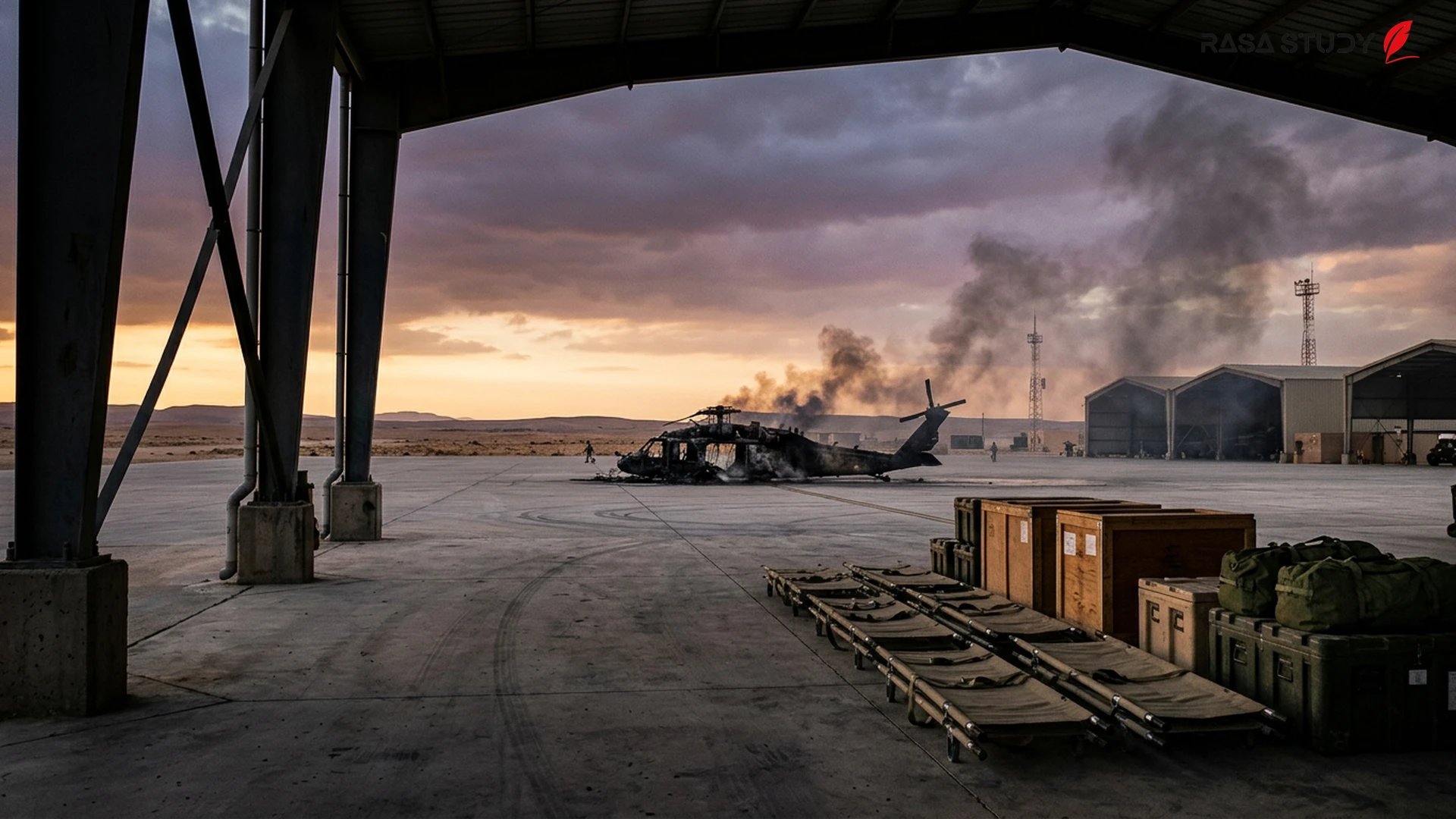
The NATO 3.0 Summit in Ankara (July 2026) and the impact of defense doctrines on university major selection priorities.
linkSources
- NATO 3.0'dan Üniversite Tercihlerine: “Sayısallar çalışsın, eşit ağırlıkçılar yönetsin!” — Haber 7 (2026-07-09)
- The Ankara Summit: Moving towards the Alliance 3.0 — Friends of Europe (2026-07-07)
- Ankara and NATO 3.0: A Time of Reckoning? — Daniel Fiott (2026-07-06)
- From The Hague to Ankara: What is NATO 3.0? — Anadolu Agency (2026-07-08)