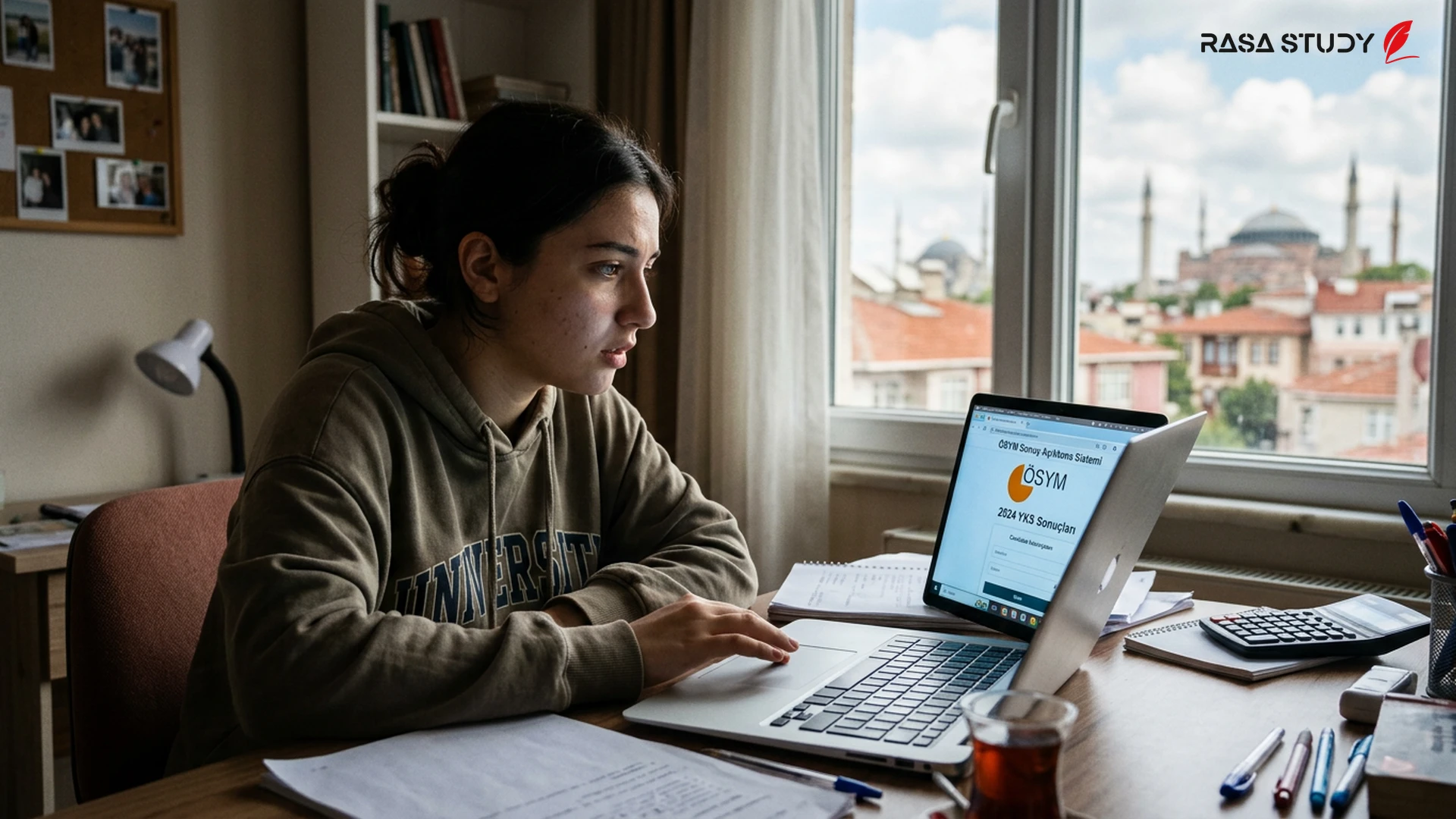
Starting July 2026, Turkey’s education system has entered a new phase. According to new directives, student grades are no longer solely dependent on written exam results, as all classroom activities, projects, and social behaviors are now included in the final report card.
Turkey's education system is witnessing one of its largest structural changes in recent decades on the eve of the new academic year. According to reports published in July 2026, the Ministry of National Education (MEB) officially announced that the era of grading based solely on written exams has ended, and from now on, "process-oriented assessment" will replace the traditional "result-oriented" system [1].
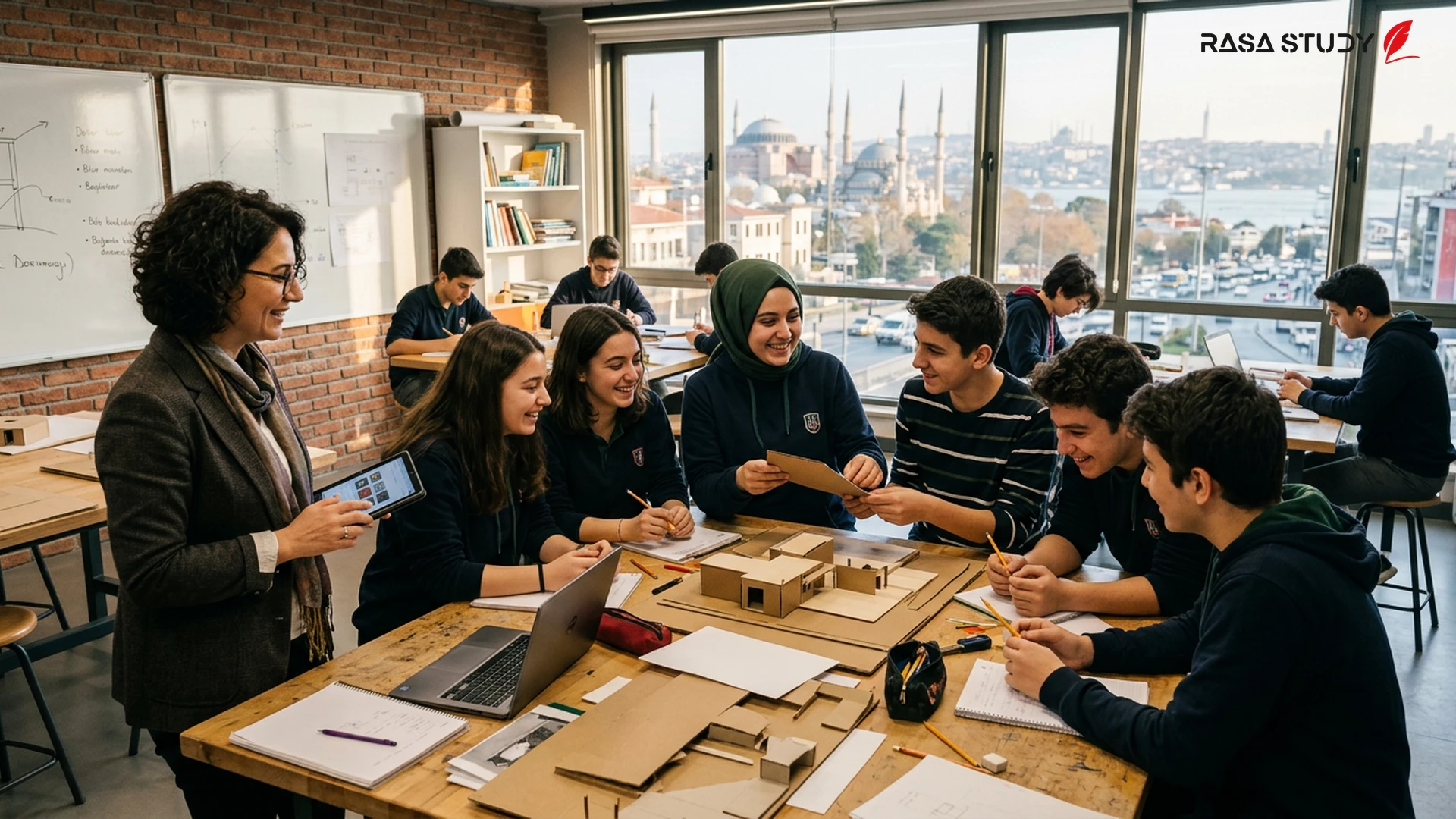
A New Approach: Holistic Student Evaluation In this new model, implemented under the title "Turkey Century Education Model" (Türkiye Yüzyılı Maarif Modeli), teachers are required to monitor all dimensions of a student's personality and skills throughout the semester. Correct answers to multiple-choice or open-ended questions are no longer the sole criteria for excellence; instead, participation in class discussions, problem-solving abilities, teamwork, and even ethical conduct within the school environment constitute a significant portion of the final grade [2]. This change is designed to reduce exam-night stress and encourage students toward deeper learning.
The Role of Social Activities in the Report Card One of the key components of these reforms is the introduction of the "Social Activity Report Card" into the official grading system. Students participating in volunteer projects, sports competitions, artistic activities, and scientific clubs will receive special points that directly impact their overall Grade Point Average (GPA) [1]. This measure aims to raise responsible and active citizens in society, rather than just individuals who memorize formulas.
Challenges and Opportunities Ahead While this change has been welcomed by many educational experts, challenges such as monitoring fairness in teacher grading have also been raised. To address these concerns, the Ministry of National Education has introduced new digital systems for real-time recording of student activities to prevent personal bias [2]. This new system, which will be fully implemented across all educational levels by September 2026, promises a generation that learns life skills alongside academic knowledge [3].
According to educational officials in the "Alparslan Diyarı" region, this model not only enhances the quality of education but also helps identify hidden talents that were previously obscured by poor written exam scores [1].
Turkey's new educational system focuses on students' social skills and classroom participation.
linkSources
- Okullarda yeni dönem: Sadece sınav değil, her şey puanlayacak! — Alparslan Diyarı (2026-07-02)
- MEB Ölçme ve Değerlendirme Yönetmeliği Güncellendi — Ministry of National Education (Turkey) (2026-06-15)
- Türkiye Yüzyılı Maarif Modeli: Süreç Odaklı Değerlendirme — TRT Haber (2025-09-10)