Global oil prices continued their downward trend in trading on June 24, 2026, influenced by positive signals from Swiss negotiations and increased tanker traffic in the Strait of Hormuz, approaching a four-month low.
Price Collapse Following Reduction in Geopolitical Tensions In Wednesday's trading, June 24, 2026, global energy markets witnessed a continuation of the downward trend in oil prices. The price of Brent North Sea crude fell by 52 cents to $76.56, while West Texas Intermediate (WTI) traded at $72.73 with a similar decline [1]. This price drop, considered the second consecutive day of heavy market losses, is a direct reaction to the reduction of political risks in the Middle East and a brighter outlook for stable energy supply [3].
Washington's 60-Day Waiver; Return of Iranian Oil to the Market One of the main drivers of the price drop is the granting of a 60-day waiver from oil sanctions by the United States to Iran. This decision, made after the first round of peace talks in Switzerland, allows Tehran to continue selling its oil and petrochemical products until mid-August [5]. Analysts believe this move by Washington indicates a serious desire to reduce pressure on global markets and control energy inflation. These waivers have caused supply shortage concerns, which had intensified in recent months due to conflicts, to subside significantly [2].
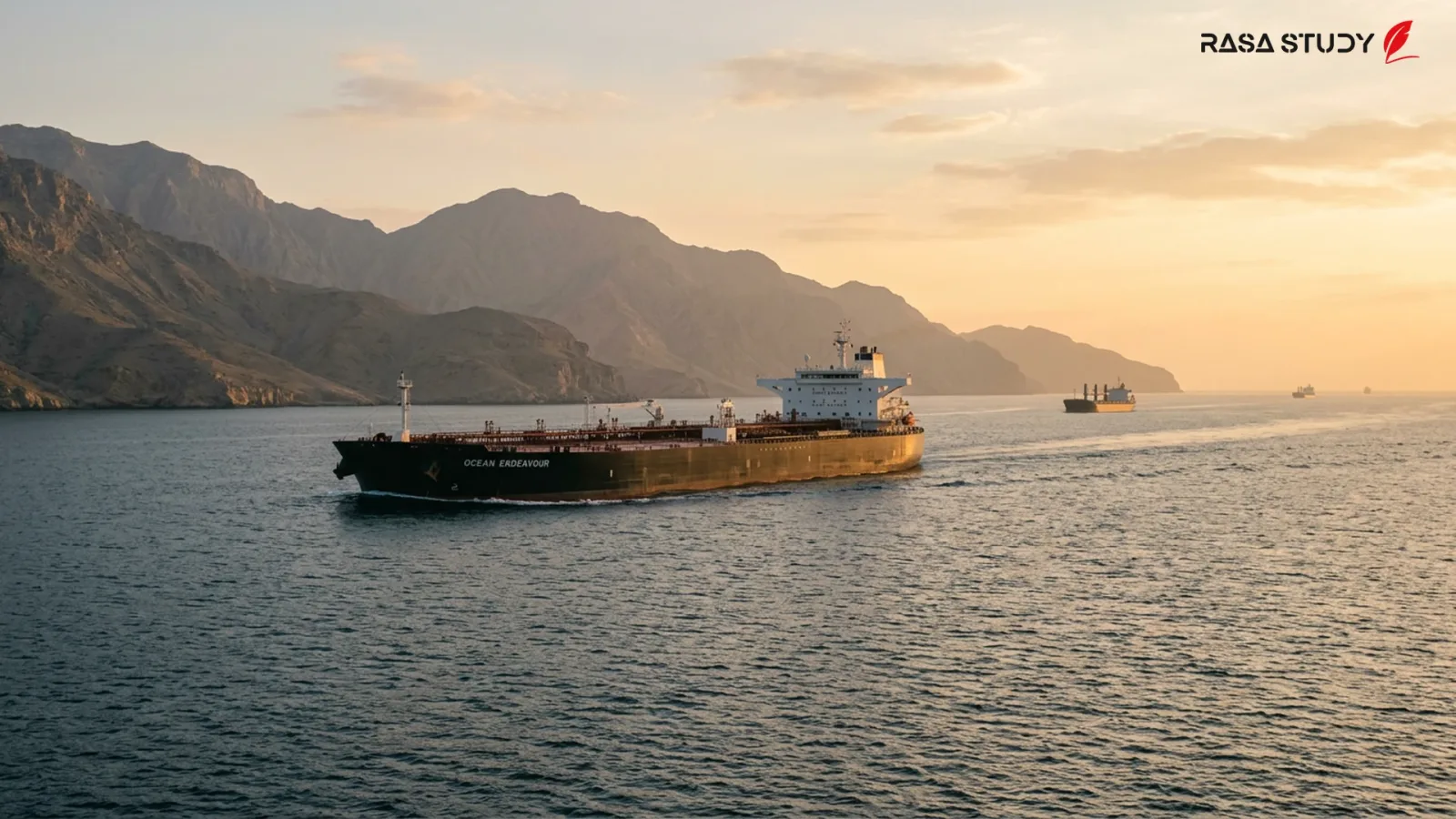
Strait of Hormuz: From Blockage to Gradual Reopening The situation in the strategic Strait of Hormuz has also shifted in favor of oil buyers. Ship tracking reports show that tanker traffic in this vital waterway has increased, and on Monday alone, two large tankers with a capacity of 2 million barrels passed through the route without incident [3]. The International Maritime Organization (IMO) has announced that necessary security guarantees have been received for the departure of hundreds of vessels from the Persian Gulf, and ship owners are now keeping their satellite signals on for passage through the strait with greater confidence [4].
Market Outlook and Challenges Ahead Despite current optimism, the market still faces some uncertainty. On one hand, the US Senate voted in a symbolic move to end the war with Iran, which is considered a positive signal for investors [4]. On the other hand, verbal tensions over the management of the Strait of Hormuz continue; US Secretary of State Marco Rubio warned that Washington will not accept any transit fees or tariffs from Iran and Oman [5]. However, strategists at ING believe that if the peace negotiations proceed according to the roadmap, oil prices could soon return to levels seen before the start of recent conflicts [1].
Increased tanker traffic in the Strait of Hormuz following initial peace agreements in June 2026.
linkSources
- قیمت نفت در اولین ساعات معاملات روز چهارشنبه کاهش یافت — عصر ایران (2026-06-24)
- نفت با سیگنال هرمز ارزان شد — میز نفت (2026-06-24)
- Crude Oil Drops as Hormuz Traffic Improves — Trading Economics (2026-06-24)
- Petrol fiyatlarında gerileme sürüyor: Hürmüz'de hareketlilik piyasayı baskıladı — İstanbul Ticaret Gazetesi (2026-06-24)
- US-Iran peace talks open 60-day negotiation period — Times of Israel (2026-06-24)