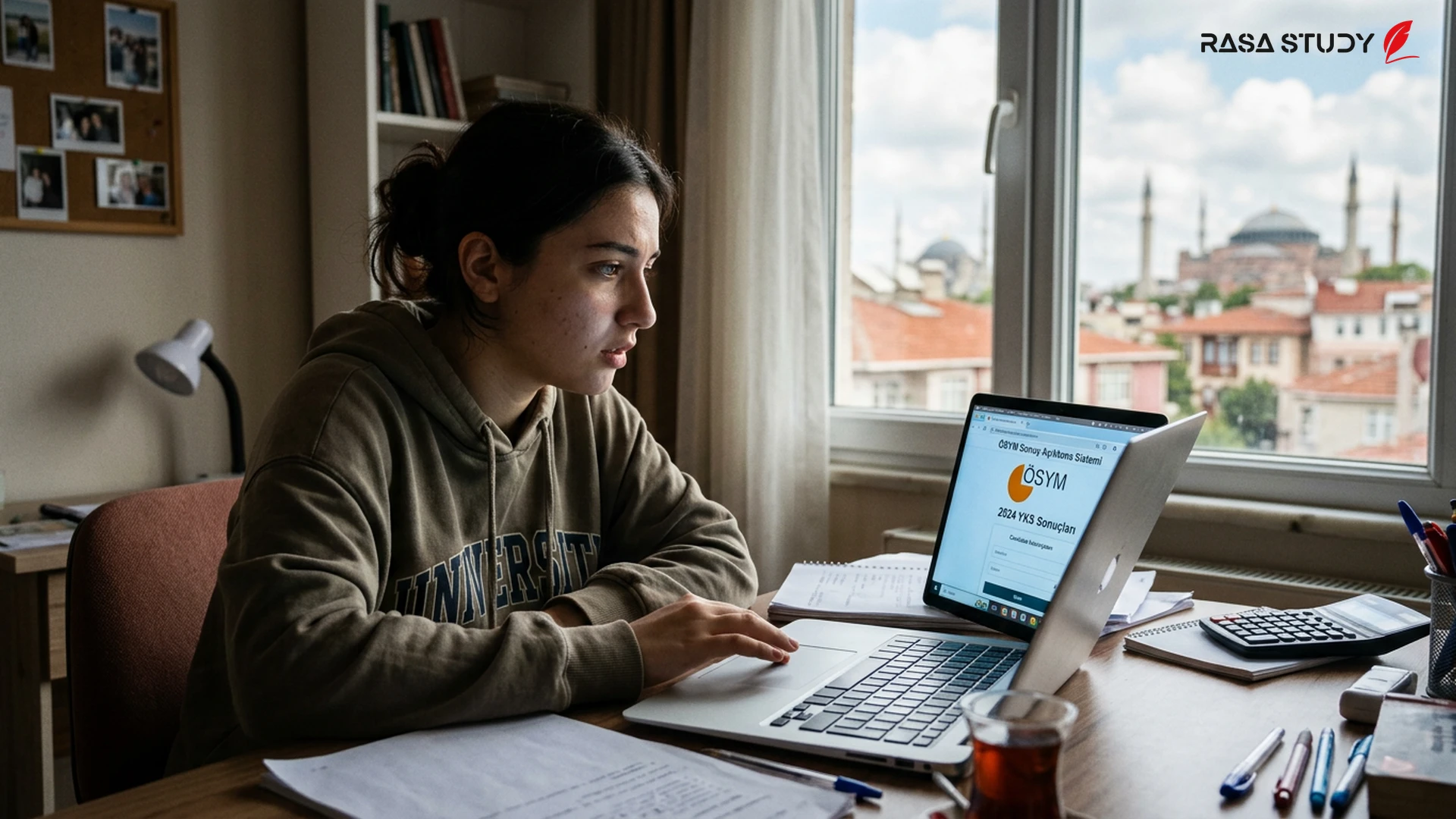
The Turkish Assessment, Selection and Placement Center (ÖSYM), in response to widespread criticism following the 2026 university entrance exam, announced 6 main reasons for maintaining the '15-minute pre-exam entry ban,' focusing on security and educational fairness.
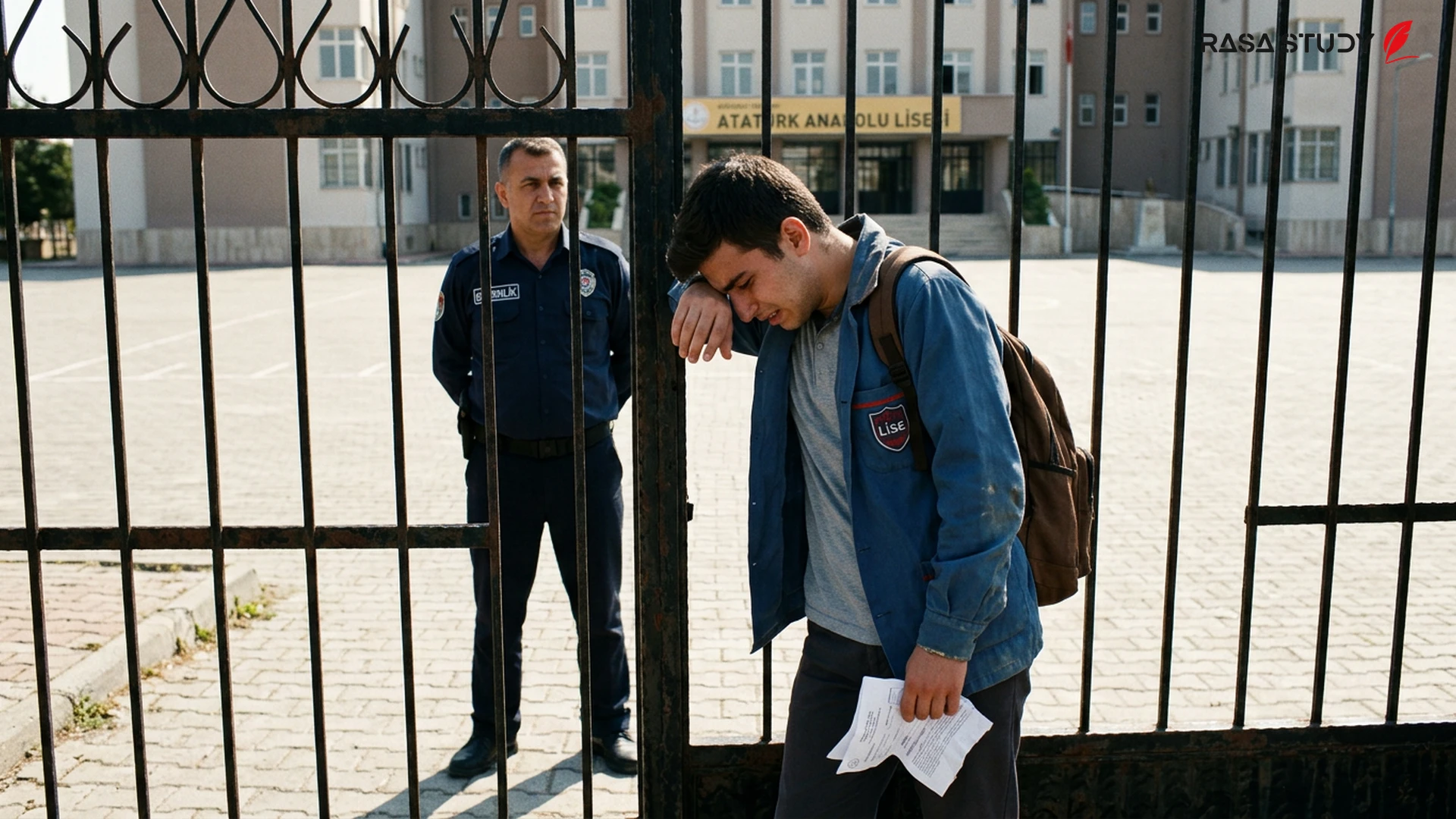
Following the Turkish Higher Education Institutions Examination (YKS) held on June 20 and 21, 2026, images of candidates who were barred from entry by only a few seconds once again sparked controversy on social media. While public opinion and some regulatory bodies are calling for flexibility in this rule, ÖSYM has listed 6 key reasons for persisting with this strict regulation in an official report [1].
1. Personalization of Answer Sheets and Document Security According to ÖSYM, a dedicated answer sheet is printed for each candidate, including their photo and precise identity information. These answer sheets correspond directly to the designated seat and hall number. Allowing late candidates to enter alternative halls disrupts the identity and document verification process and jeopardizes the security of the entire exam [2].
2. Prevention of Impersonation and Identity Fraud One of the most serious concerns of the assessment center is the possibility of substitute individuals entering instead of the actual candidates. Investigations show that any exception in entry timing could create a loophole for cheating networks to infiltrate unauthorized persons into sessions by exploiting the chaos of the exam's starting moments [1][3].
3. Prevention of Group Collusion in Specific Halls Proposals were made to allocate 'special halls' for late candidates, but ÖSYM believes this action could encourage collusion. In fact, candidates who know each other might intentionally arrive late to gather in a specific hall, increasing the chances of group cheating [2].
4. Impossibility of Guaranteeing Question Equality in Separate Exams Some critics have suggested holding a re-examination or a separate test for latecomers. The assessment center emphasizes that designing questions that are completely equivalent in difficulty within a short timeframe is impossible. This would destroy fairness in the final ranking of millions of candidates and lead to widespread legal challenges [1].
5. Protecting the Rights of Punctual Candidates Creating exceptions for those who arrive late is seen by ÖSYM as a form of discrimination against the millions of candidates who arrived at the exam site hours in advance. The organization believes that loosening the rules would damage the public perception of 'exam justice' and cause public order to collapse in future years [3].
6. Preventing Chaos in Macro-Management Given that the Turkish university entrance exam is held with over 2.4 million candidates, any flexibility in timing rules could turn into management chaos. ÖSYM emphasized that disqualification from the exam due to delay is not a 'punishment,' but a direct result of the candidate's personal negligence in following disciplinary rules announced months in advance [1][2].
Images of candidates who missed the 2026 exam by a few seconds of delay have once again ignited the debate over the 15-minute rule.
linkSources
- ÖSYM 6 maddede gerekçelerini sıraladı: '15 dakika kuralı' neden esnetilmiyor? — Türkiye Gazetesi (2026-06-24)
- ÖSYM'den '15 dakika kuralı' açıklaması: Esnetilirse sınav güvenliği riske girer — T24 (2026-06-25)
- Onlarca öğrenci sınava geç kaldı... ÖSYM'den '15 dakika kuralı' açıklaması — Odatv (2026-06-25)