The Government of Pakistan has issued an official statement urging the United States and Iran to exercise restraint and return to their commitments under the 'Islamabad Accord.' This request follows heavy CENTCOM strikes and Iran's missile response.
The Islamabad Accord Crisis: From Signing to Threat of Collapse On July 9, 2026, the Middle East region is once again on the brink of a full-scale war. The Ministry of Foreign Affairs of Pakistan, expressing deep concern over the escalation of tensions, called on Washington and Tehran to remain committed to the terms of the 'Islamabad Accord,' which was signed only a few weeks ago [1]. This agreement, signed digitally on June 18, 2026, between Iranian President Masoud Pezeshkian and U.S. President Donald Trump, was intended to end the military conflicts that began in February 2026 [2].
The 14-article agreement included vital clauses such as the immediate reopening of the Strait of Hormuz for commercial shipping, the lifting of the U.S. naval blockade of Iran, and the creation of a 60-day window for final negotiations over Iran's nuclear program and frozen assets. However, events of the past 48 hours indicate that this diplomatic achievement faces a serious risk of collapse.
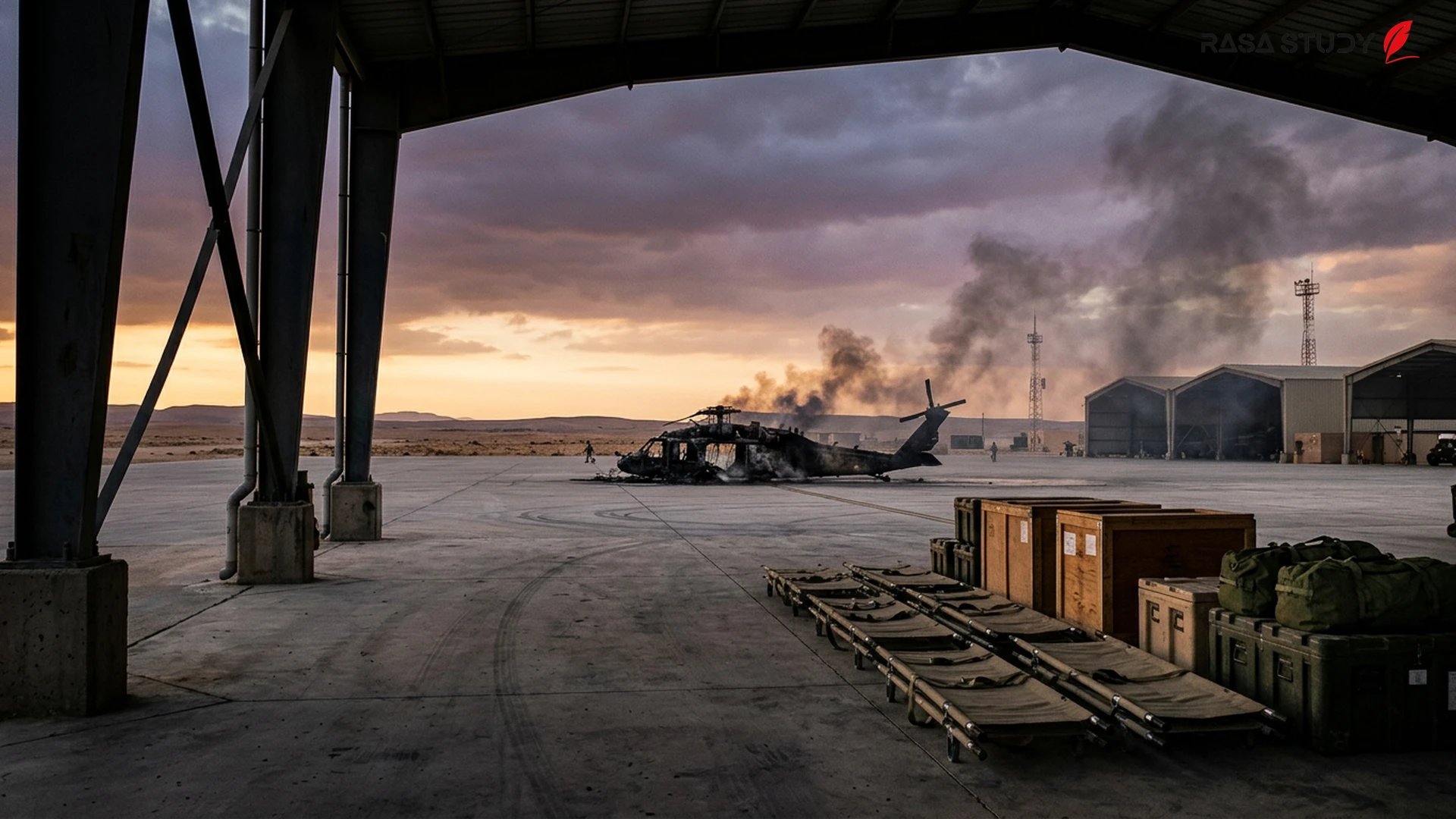
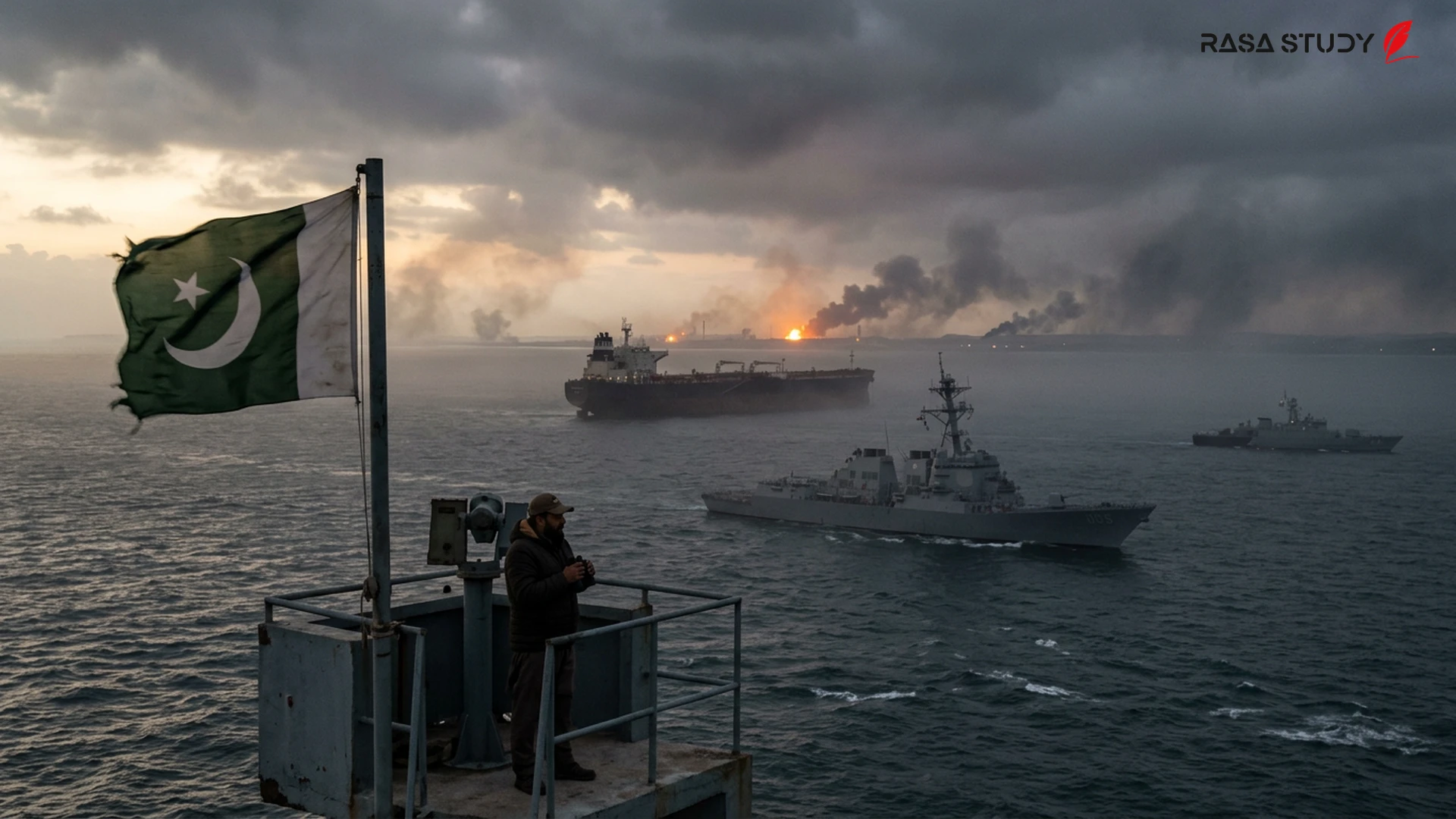
Reciprocal Attacks and Diplomatic Deadlock in July 2026 Tensions reached their peak when the U.S. Central Command (CENTCOM) announced that in response to attacks on commercial vessels in the Strait of Hormuz, it had attacked more than 80 strategic targets in southern Iran, including Chabahar and Bandar Abbas [3]. In response to this action, the Islamic Revolutionary Guard Corps targeted 85 U.S. military positions in the region, including airbases in Kuwait and Bahrain and the headquarters of the U.S. Fifth Fleet, by launching missiles and drones.
Donald Trump, who was attending the NATO summit in Ankara, declared in a sharp tone that he considers the agreement 'finished' and described negotiating with Tehran as a 'waste of time' [3]. These remarks were made while Pakistan, as the main mediator, continues to emphasize the necessity of dialogue and believes there is no military alternative to resolving this crisis.
Pakistan's Key Role and Efforts for Regional Peace Pakistan, which played a pivotal role in achieving the April ceasefire and the June agreement in cooperation with Qatar, Turkey, and Egypt, is now trying to prevent the parties from completely withdrawing from the pact. Shehbaz Sharif, the Prime Minister of Pakistan, emphasized that regional stability depends on the precise implementation of this memorandum of understanding.
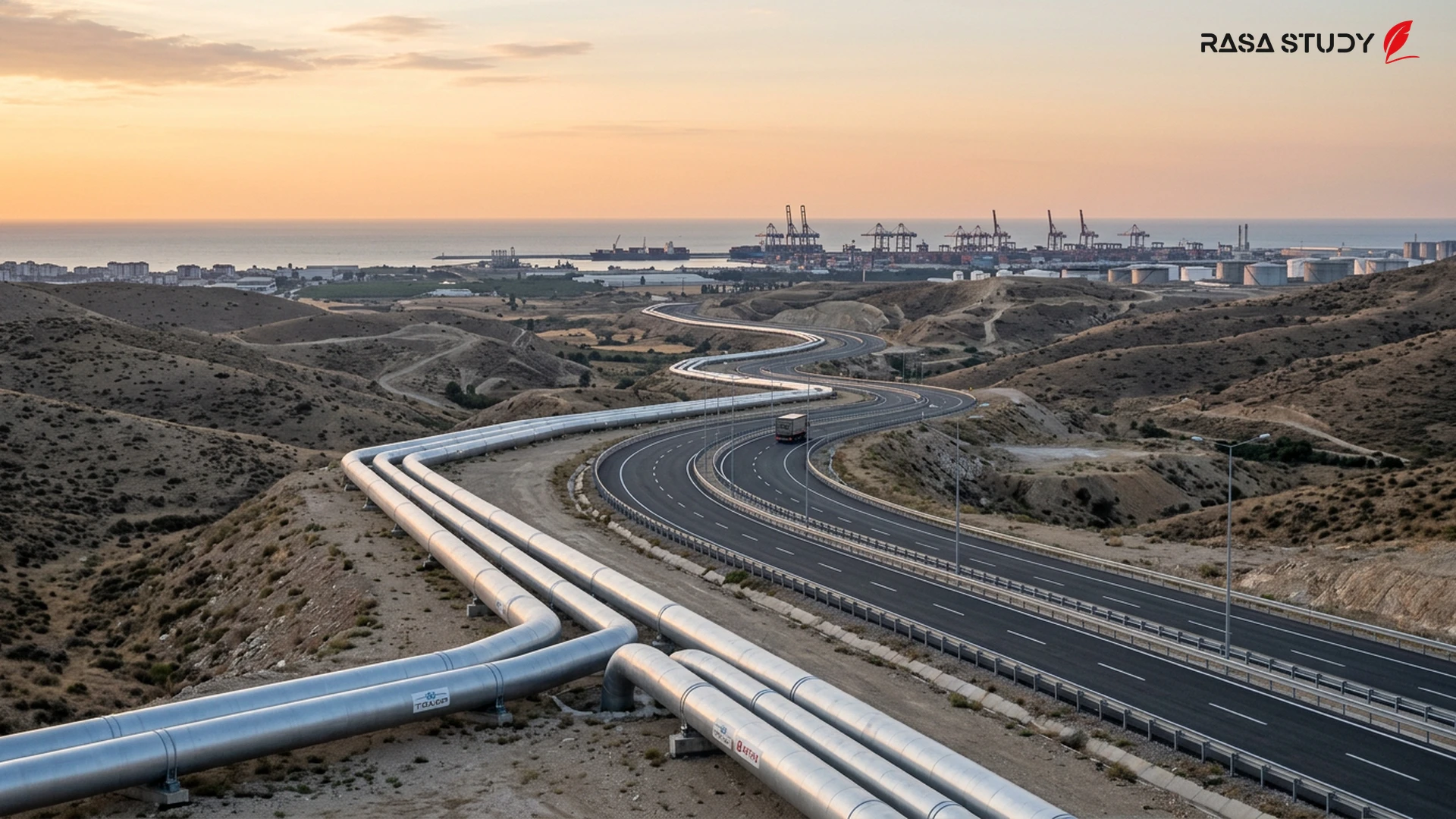
Some military analysts believe that other regional actors, including Israel, do not wish for the success of this agreement and may exert pressure for a U.S. withdrawal from the pact [4]. However, Islamabad has warned that the collapse of the Islamabad Accord could lead to the permanent closure of the Strait of Hormuz, through which 21 million barrels of oil pass daily, confronting the global economy with an unprecedented crisis.
Uncertain Future and the Necessity of Returning to the Negotiating Table While a new round of technical negotiations was scheduled to be held in Pakistan on July 11, the holding of this meeting is now shrouded in ambiguity. Pakistan has called on both sides to return to their commitments not to use force against each other instead of using the language of threats. The fate of $300 billion in frozen Iranian assets and the monitoring protocols for the nuclear program are all tied to the preservation of this fragile agreement. The world now waits to see if Islamabad's diplomacy can once again push the shadow of war away from the region.
As the primary mediator, Pakistan calls for Washington and Tehran to adhere to the June 2026 peace agreement.
linkSources
- Pakistan urges US, Iran to refrain from actions undermining regional peace, stability — Anadolu Agency (2026-07-08)
- Pakistan'dan ABD ve İran'a 'İslamabad Mutabakatı' çağrısı — Hurseda (2026-07-09)
- A renewal of hostilities between Iran and the United States drew fresh calls for de-escalation — Dawn (2026-07-09)
- Former Pakistani Air Force official says Israel does not want US-Iran agreement to succeed — Middle East Monitor (2026-07-09)