Following recent attacks on commercial tankers in the Strait of Hormuz, the Qatari government, in an unexpected official statement, identified the Islamic Republic of Iran as directly responsible for these incidents and all subsequent economic consequences.
Doha's Diplomatic Shift Toward Tehran
In a development that could fundamentally alter the security dynamics of the Persian Gulf, the Qatari government has officially declared Iran directly responsible for the recent attack in the Strait of Hormuz. According to reports published by reputable media outlets including Economim, Qatari officials emphasized that Tehran bears responsibility not only for the physical attacks but also for all resulting financial and environmental damages [1]. This stance is significant as Qatar typically serves as a mediator between Iran and Western nations, but the severity of the recent incident has prompted Doha to adopt a different approach.
Details of the Incident in the Strait of Hormuz
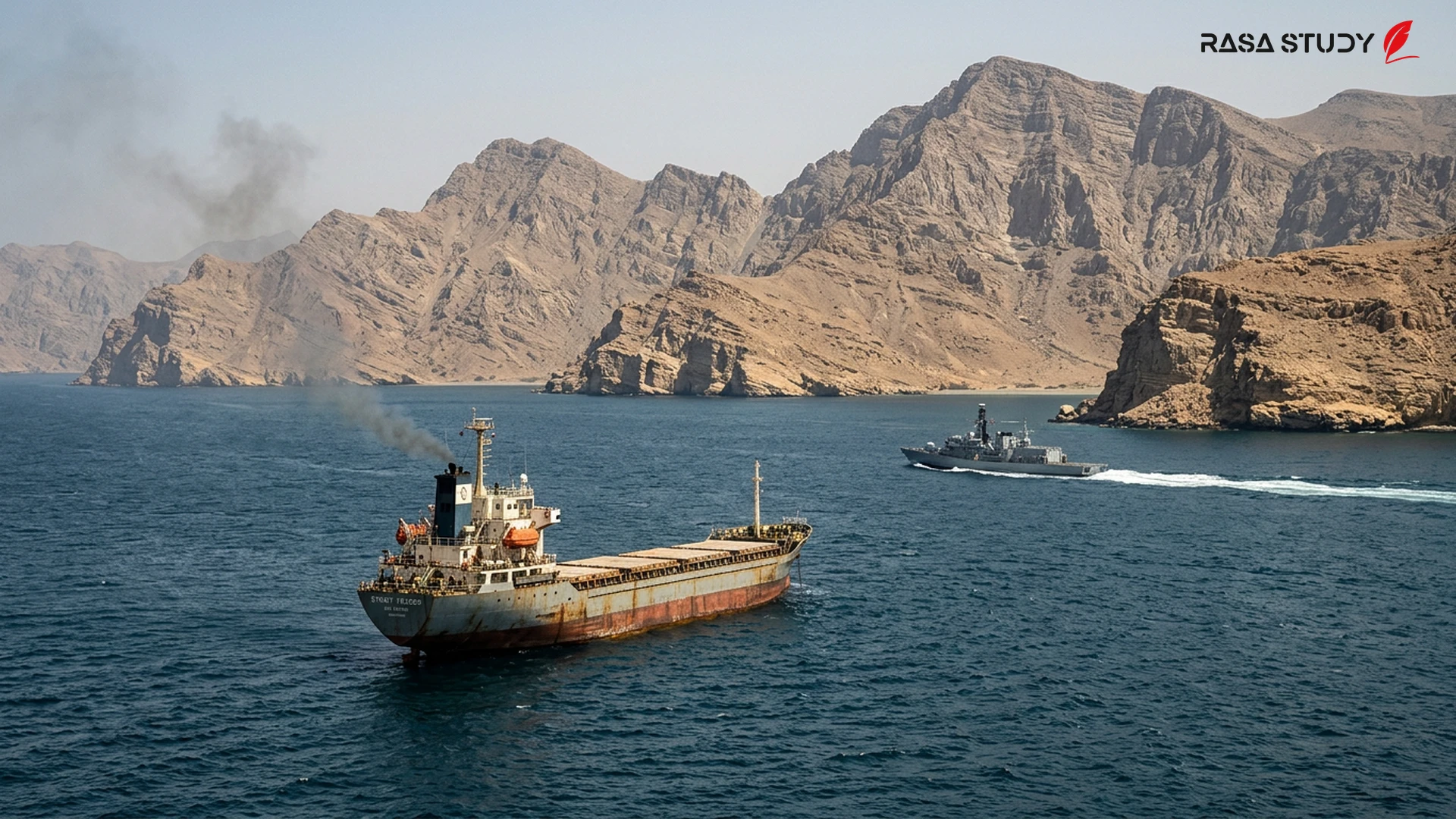
Field reports indicate that several commercial vessels were targeted in the early hours of this morning at the strategic entrance of the Strait of Hormuz. Although the exact technical details of these attacks are still under investigation, the speed of Qatar's reaction suggests the existence of serious evidence regarding destructive activities in the region [2]. The Strait of Hormuz, known as the world's vital energy artery, has once again become a focal point of international tension. Analysts believe this sharp statement from Qatar reflects deep concerns among Gulf states regarding maritime security and the stability of global markets.
Economic Consequences and International Reactions
Immediately following the release of Qatar's statement, global oil markets experienced fluctuations. Qatar explicitly stated in its announcement that "Iran is responsible for any losses incurred by the flow of global trade" [1]. This issue could lead to increased shipping insurance costs and threaten international food and energy security. News sources such as Al Jazeera have reported that other regional countries are also reviewing evidence to adopt a coordinated position regarding this incident [3].
Future of Bilateral Relations and Regional Security
Qatar's direct accusation against Iran has pushed the relationship between the two countries, which had been relatively stable in recent years, into a new phase of ambiguity. Experts believe that if Tehran fails to provide convincing evidence to exonerate itself, it may face a new wave of diplomatic and economic pressure not only from the West but also from its southern neighbors [2]. The security of the Strait of Hormuz has now, more than ever, become a trans-regional issue requiring international intervention and oversight to prevent a full-scale crisis.
The Strait of Hormuz, the world's vital energy artery, returns to international focus following Qatar's accusations against Iran.
linkSources
- Katar: Hürmüz Boğazı’ndaki saldırı ve ortaya çıkacak zarardan İran sorumludur — Ekonomim (2026-07-07)
- Tensions rise in Gulf as Qatar issues rare rebuke to Tehran — Reuters (2026-07-07)
- Strait of Hormuz Security: International Reactions to Recent Attacks — Al Jazeera (2026-07-07)