The Qatari government issued an official statement today, July 17, 2026, strongly denying Israeli media reports regarding its agreement to participate in any military action against the Islamic Republic of Iran, describing it as an attempt to sabotage regional mediation efforts.
Roots of Rumors and Doha's Official Response Following reports in Israeli media, including the newspaper "Israel Hayom," claiming that Qatar had agreed to join a military alliance to attack Iran, the Qatar International Media Office (IMO) reacted strongly. Doha officials called these claims "completely baseless" and stated that these reports were published with the aim of dragging Qatar into regional conflicts and undermining its pivotal role in international mediation [1][2].
In the official statement of the Qatari government, it is mentioned that since the beginning of tensions in 2026, the country has repeatedly emphasized that it has not and will not participate in any military action against neighboring countries. This denial comes as the Persian Gulf region is experiencing one of its most critical security periods [3].
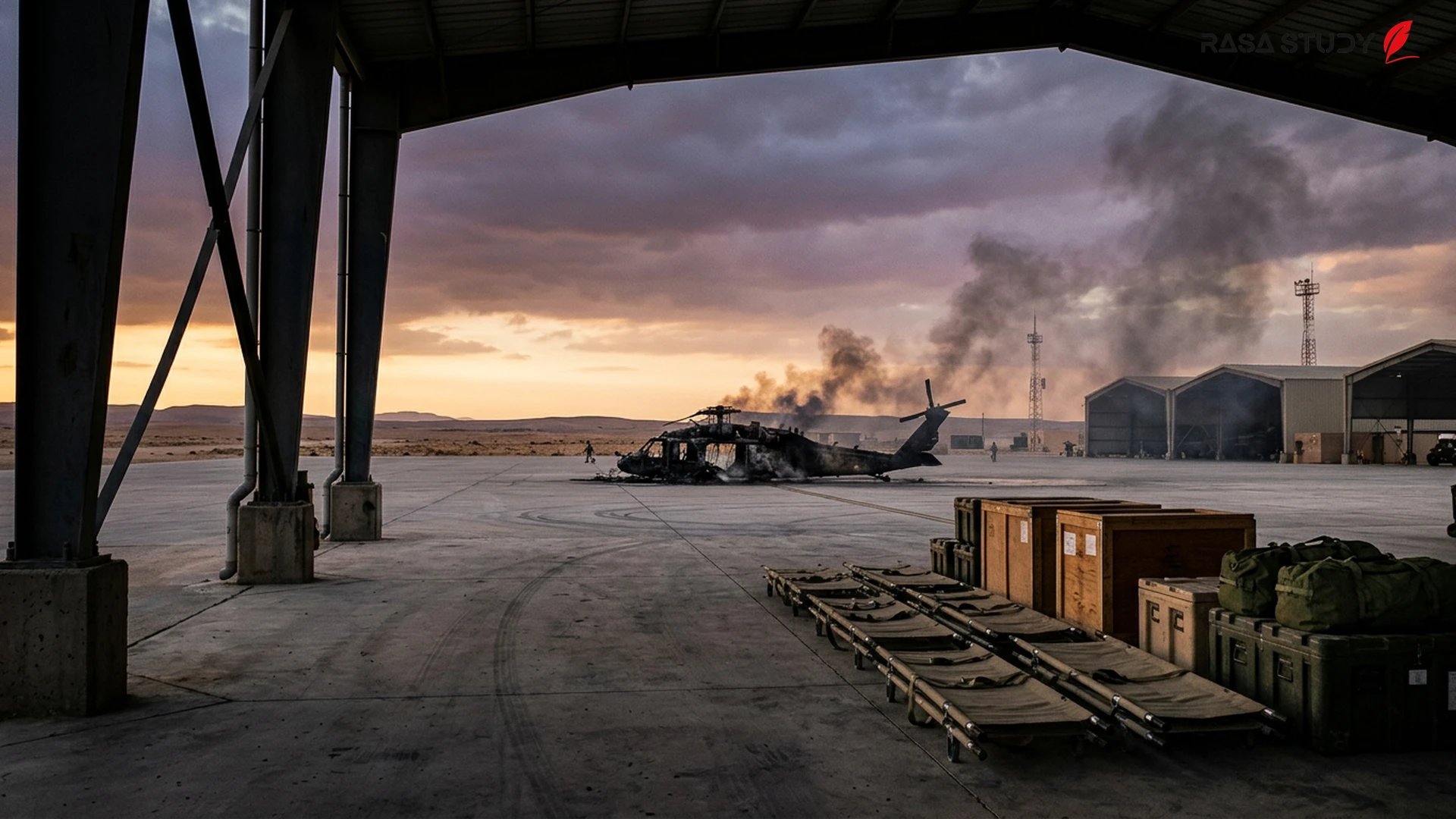
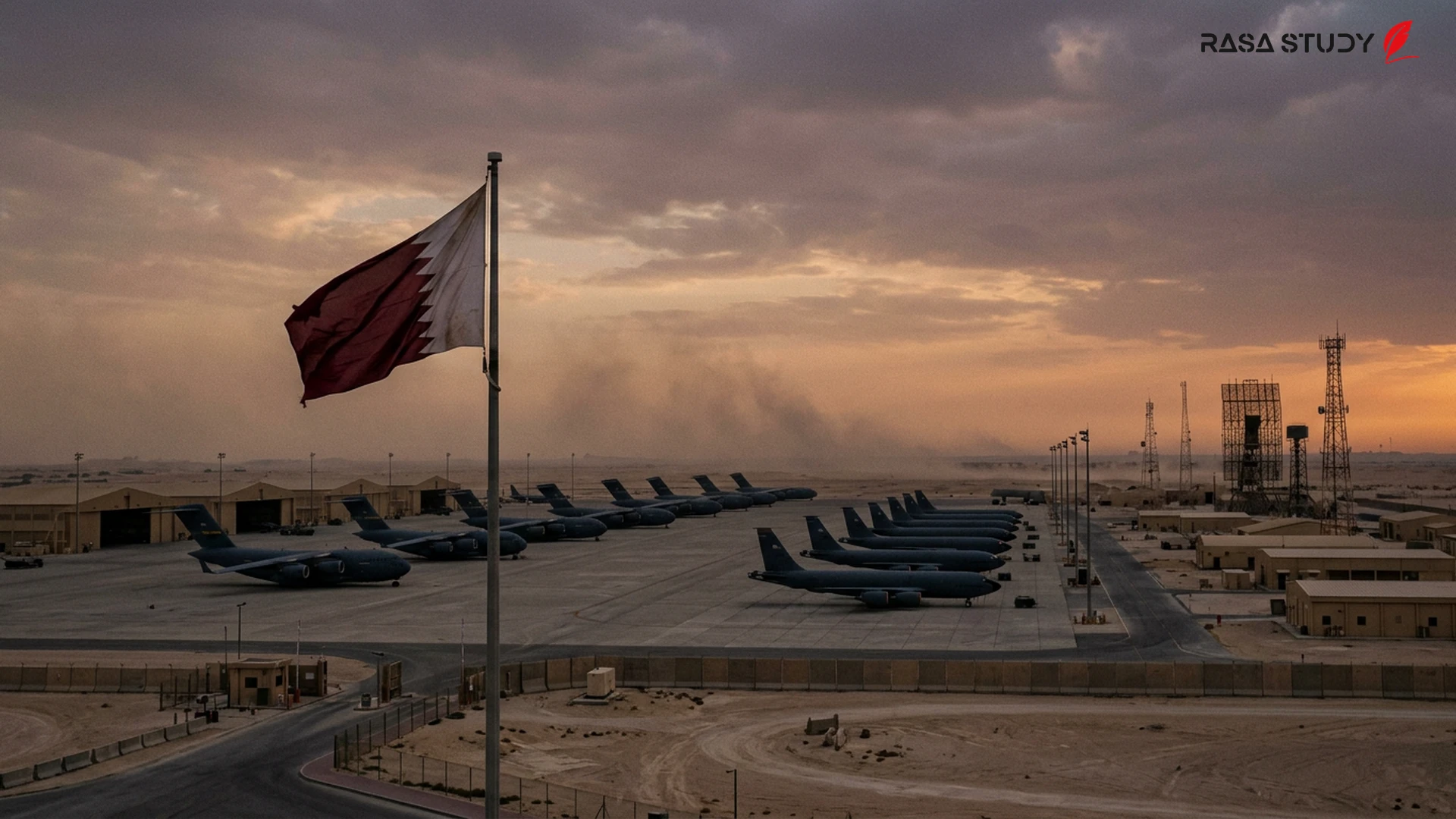
Military Tensions in the Shadow of the 2026 War This media psychological warfare occurs while in the early hours of today, July 17, 2026, reports of missile and drone attacks near the "Al-Udeid" airbase in Qatar were published. The Islamic Revolutionary Guard Corps claimed to have targeted command centers at this base, but Qatari officials announced that the country's air defenses successfully intercepted most of the projectiles, with only minor damage reported in surrounding residential areas due to falling missile fragments [4][5].
Doha emphasized that hosting American forces at the Al-Udeid base does not mean participation in offensive operations, and the country continues to insist on maintaining national sovereignty and preventing its territory from becoming a launchpad against Iran [2][3].
Insistence on Mediation Role and National Sovereignty Analysts believe that the publication of this false news by Israeli media is an attempt to disrupt sensitive negotiations scheduled to take place in Oman in the coming days. Qatar, which has always kept its diplomatic channels open with Tehran and Washington, stated that it will not allow "misleading claims" to hinder its efforts to reach a lasting agreement and reduce tensions [3][4].
The Qatari Ministry of Foreign Affairs noted in a separate statement that its foreign policy is based on dialogue and diplomatic solutions, and any report regarding a change in this approach lacks credibility and was prepared for specific political purposes [2].
Regional Consequences and Gulf Security Qatar's swift denial shows the country's high sensitivity toward the security of the Persian Gulf and the shared "South Pars/North Dome" gas field. Any direct conflict involving Qatar could seriously jeopardize the country's liquefied natural gas (LNG) exports, which are considered a vital energy artery for the world. Doha officials have called on international media to cite only official sources when publishing news related to national security and to avoid fueling rumors that push the region toward further chaos [1][4].
The Qatar International Media Office issued a statement rejecting any agreement for military action against the Islamic Republic of Iran.
linkSources
- Katar'dan İsrail basınının 'İran'a karşı bir saldırıya katılmayı kabul etti' iddiasına yalanlama — TRHaber (2026-07-16)
- Qatar denies Israeli media claims it agreed to join military action against Iran — Gulf News (2026-07-16)
- Qatar categorically rejects Israeli reports of military action against Iran — Middle East Monitor (2026-07-16)
- Qatar rejects 'false' Israeli reports of agreeing to join military action against Iran — Fox News (2026-07-17)
- Qatar denies Al Udeid role in Iran strikes, says 90% of attacks repelled — Saudi Gazette (2026-04-11)