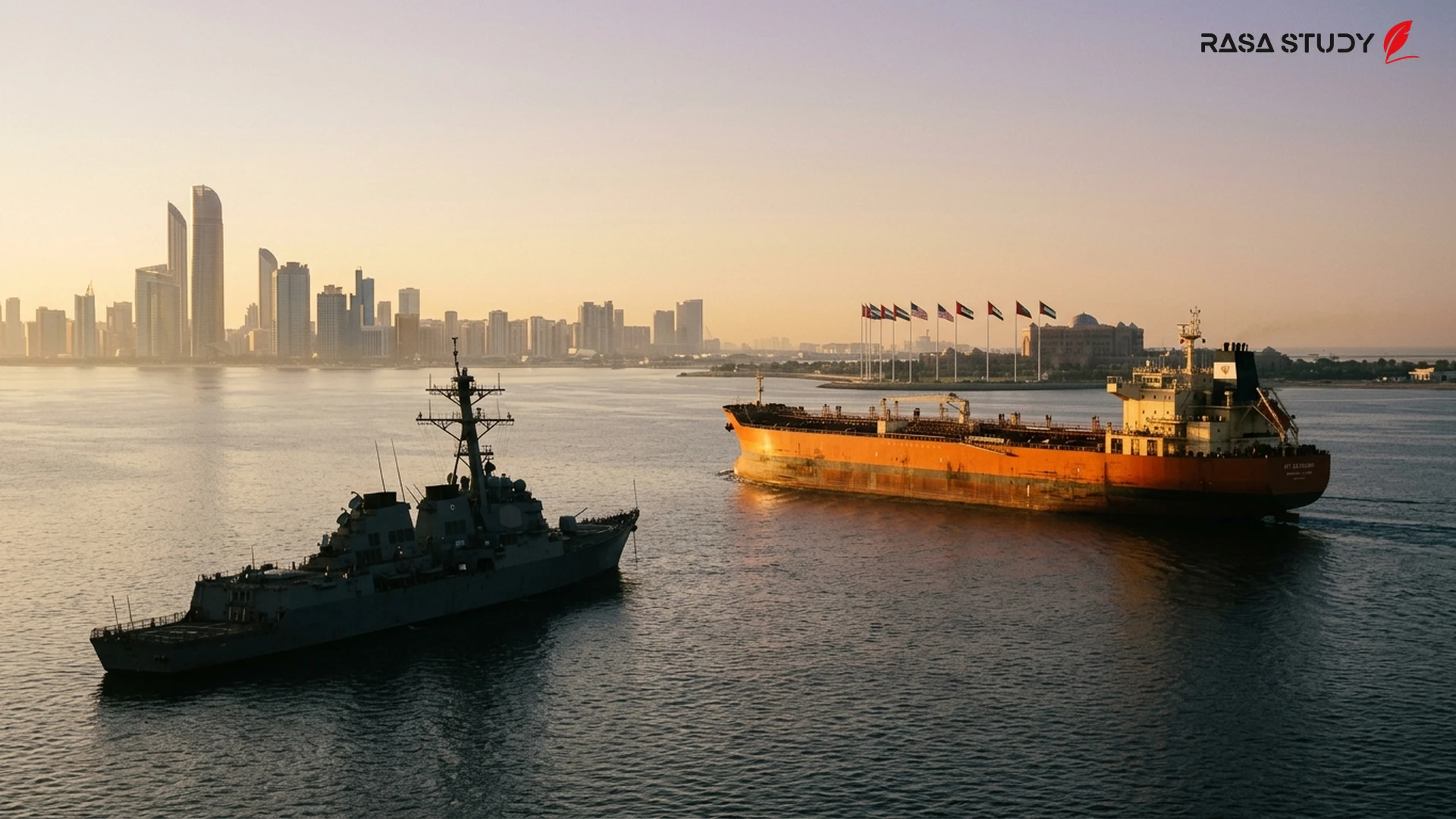
Following the announcement of a final peace agreement text between Tehran and Washington mediated by Pakistan, regional powers including Qatar, Turkey, and Saudi Arabia have declared their firm support for this diplomatic process.
On June 13, 2026, diplomatic developments in the Middle East reached a peak. Reports indicate that Qatar, Turkey, and Saudi Arabia, in a coordinated stance, have announced their full support for a potential agreement between Iran and the United States [1]. This tripartite support came after Pakistan, acting as the primary mediator, announced the achievement of a final text to end the conflicts.
Doha's Telephone Diplomacy with Regional Powers Mohammed bin Abdulrahman Al Thani, Qatar's Prime Minister and Minister of Foreign Affairs, reviewed the latest status of the negotiations in separate telephone calls with Turkish Foreign Minister Hakan Fidan and Saudi Foreign Minister Faisal bin Farhan [3]. According to the Qatari Foreign Ministry statement, all parties expressed satisfaction with the progress made and emphasized the necessity of resolving remaining issues through dialogue. This coordination reflects a collective regional will to prevent an all-out war that could have jeopardized global energy security and economic stability [2].
Key Role of Pakistan and Qatar in Mediation One of the highlights of this round of negotiations is the pivotal role of Pakistan. Pakistani Prime Minister Shehbaz Sharif announced that after intensive mediation efforts, a final text for the peace agreement has been reached [2]. In this regard, reports suggest the possibility of a five-party meeting involving Saudi Arabia, Turkey, Pakistan, Qatar, and Egypt to finalize mechanisms for guaranteeing the implementation of the agreement and reviewing its security dimensions. This meeting demonstrates the regional countries' confidence in a process that has moved beyond bilateral Tehran-Washington relations [1].
Washington's Reaction and Cancellation of Military Strikes On the opposing front, US President Donald Trump issued a message stating that due to significant progress in negotiations and the confirmation of the agreement by high-level leadership in Iran, he has ordered the cancellation of planned airstrikes on Iranian targets [4]. Trump emphasized that the details of the agreement have also been approved by allies such as Israel, Saudi Arabia, and Turkey. However, he noted that the naval blockade will remain in effect until the final signing of the agreement to ensure all procedural steps are completed.
Outlook for Lasting Peace in the Region The support of Turkey and Saudi Arabia for this agreement is considered a strategic shift in regional policies. Riyadh, which previously had a competitive approach toward Tehran, now prioritizes stability to advance its development projects. Turkey, as a key player, seeks to reduce costs resulting from regional tensions and strengthen economic cooperation [3]. Although challenges remain on the path to a final signing in Europe, the current consensus among Doha, Ankara, and Riyadh is the strongest signal of peace in recent decades, which could lead to the reopening of the Strait of Hormuz and the reduction of sanctions [2].
Intensive regional diplomatic consultations to ensure the implementation of the peace agreement between Tehran and Washington in June 2026.
linkSources
- Katar, Türkiye ve Suudi Arabistan'dan olası İran-ABD anlaşmasına destek — Mehr News Agency (2026-06-13)
- کدام یک از کشورهای منطقه از توافق ایران و آمریکا حمایت کردند؟ — Khabar Online (2026-06-13)
- Fidan discuss US-Iran talks with Qatar, US negotiators — Hürriyet Daily News (2026-06-13)
- Qatar emir, Trump discuss progress in US-Iran understandings — Anadolu Agency (2026-06-11)


