An armed attack at a school in Şanlıurfa province has sent shockwaves through Turkey’s educational community, raising urgent questions regarding the adequacy of security measures in the country’s public schools.
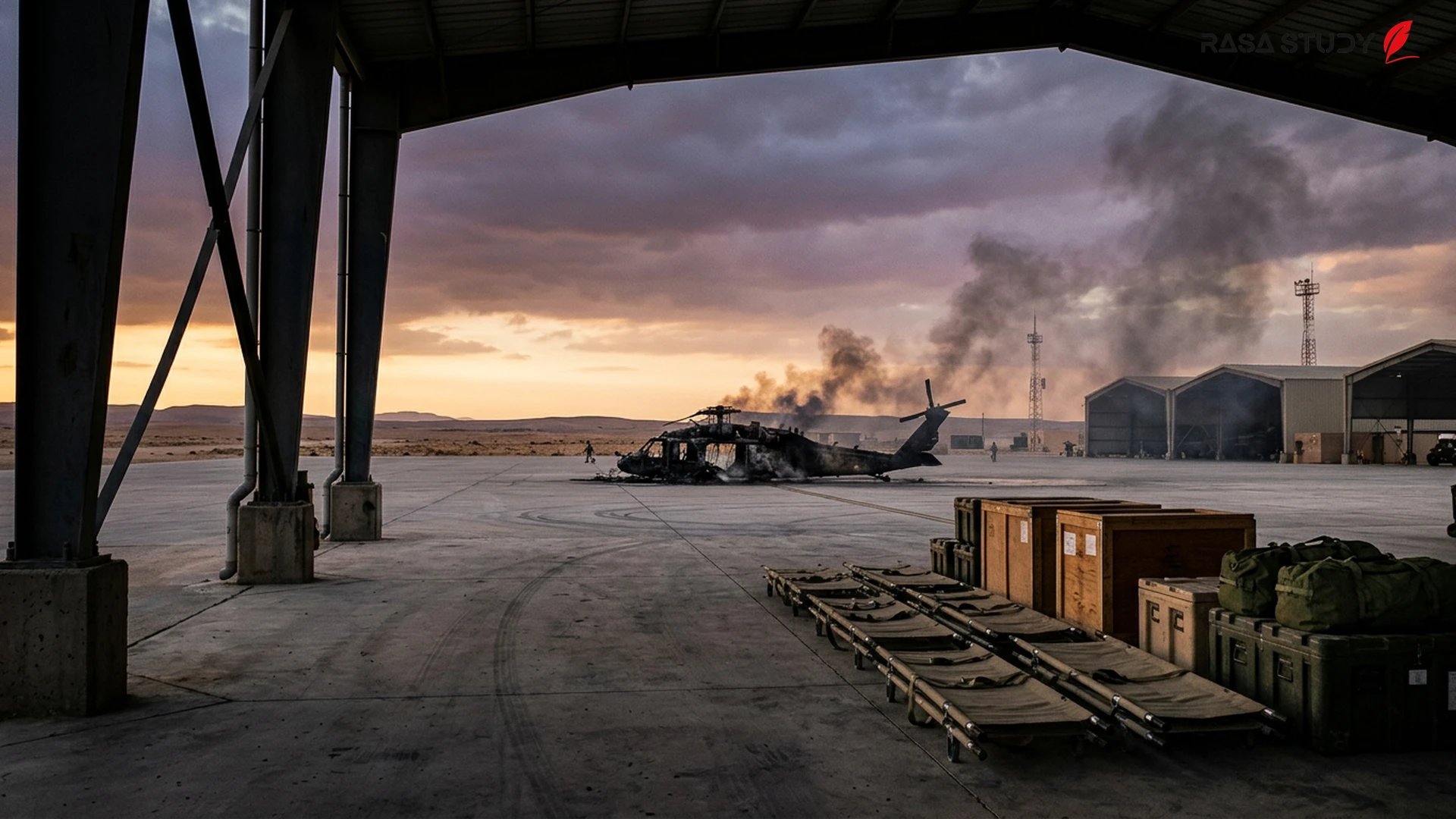
Details of the Shocking Incident in Şanlıurfa In mid-April 2026, the “Ahmet Koyuncu” Vocational and Technical High School in the Siverek district of Şanlıurfa province witnessed horrific scenes. A 19-year-old former student identified by the initials “O.K.,” armed with a shotgun, entered the school premises and began firing indiscriminately [1]. In this incident, 16 people were injured, including 10 students, 4 teachers, one police officer, and a canteen worker. After being surrounded by security forces, the assailant committed suicide and died at the scene [2].
Chain of Violence and National Reactions Only 28 hours after the Şanlıurfa incident, another deadly attack occurred in Kahramanmaraş province, resulting in 10 deaths. This sequence of events sparked heated national debates regarding easy access to weapons and the physical security of schools [3]. Media outlets such as “HaberGo” raised the question, “Are security measures inadequate?”, pointing the finger of criticism at the Ministry of National Education and regulatory bodies. Members of Parliament and educational unions have called for the immediate hiring of at least 65,000 new security guards for schools across the country [1].
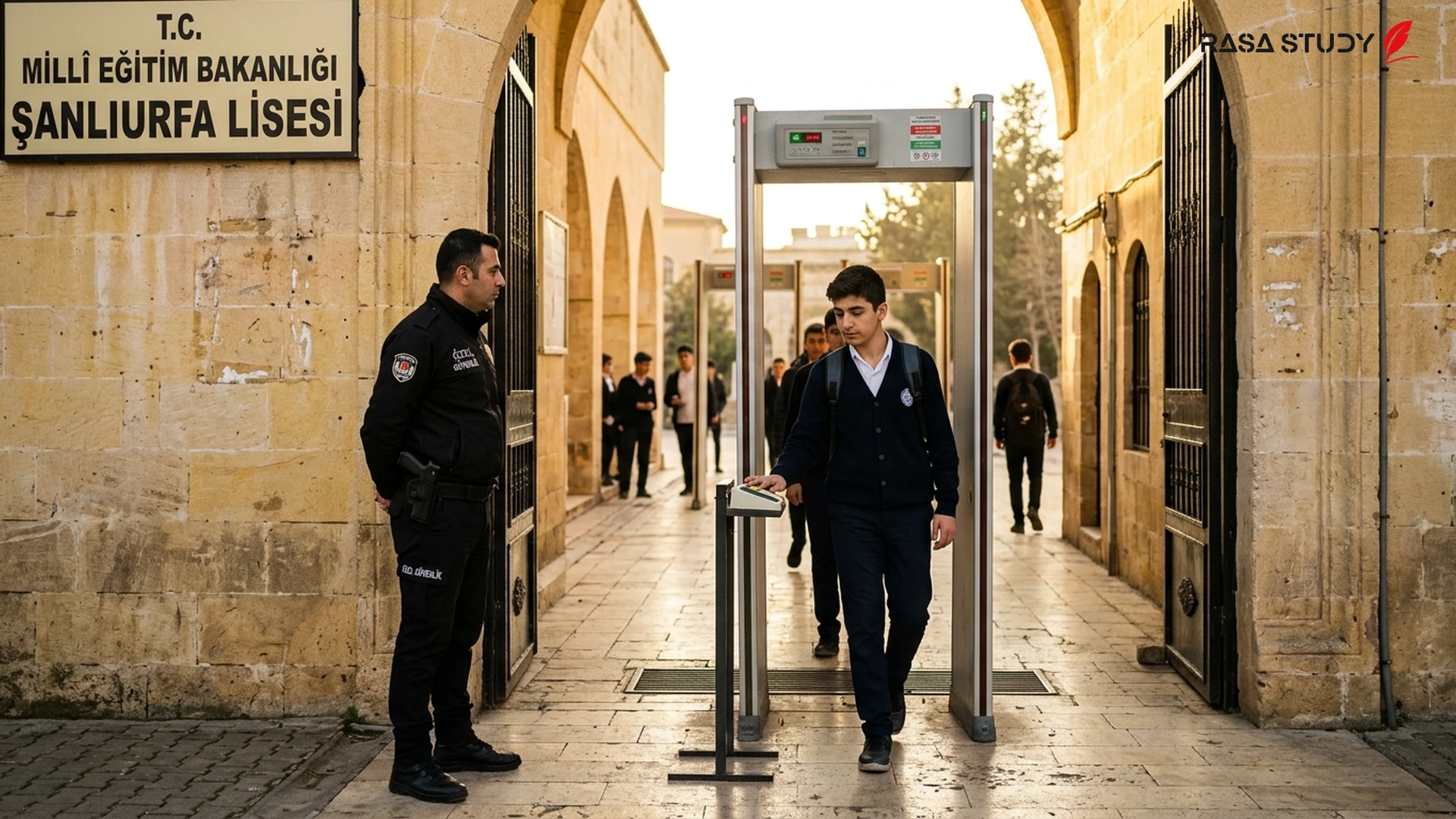
The Government's 7-Stage Security Model In response to this crisis, the Turkish government unveiled a comprehensive roadmap for school security in June 2026. This plan, known as the “7-Stage Security Model,” includes the use of artificial intelligence to monitor high-risk behaviors, strict traffic control at school entrances, and increased cooperation between the police and educational staff [3]. According to the new regulations, parents can only enter schools by appointment and upon presenting valid identification, and all schools are required to install inspection gates and advanced video surveillance systems [4].
Challenges Ahead and Public Demands Despite the announcement of these measures, public opinion remains skeptical about the precise implementation of these plans. Critics believe that merely increasing police presence is not enough and that the social roots of violence among youth and the monitoring of cyberspace must also be addressed. Turkish President Recep Tayyip Erdoğan emphasized that school security is the government's top priority and no negligence in this area will be accepted [3]. Eyes are now on the start of the new academic year to see if these reforms can restore peace to the educational environment.
Extensive police presence around Ahmet Koyuncu school following the April 2026 armed attack
linkSources
- Şanlıurfa'da Okulda Silahlı Saldırı: Güvenlik Önlemleri Yetersiz Mi? — HaberGo (2026-04-14)
- Siverek'te okula düzenlenen silahlı saldırıda 16 kişi yaralandı — Anadolu Ajansı (2026-04-14)
- Türkiye unveils 7-step school security model after attacks — Daily Sabah (2026-04-23)
- Turkey School Security Rules 2026 – New Safety Measures — RestProperty (2026-04-20)