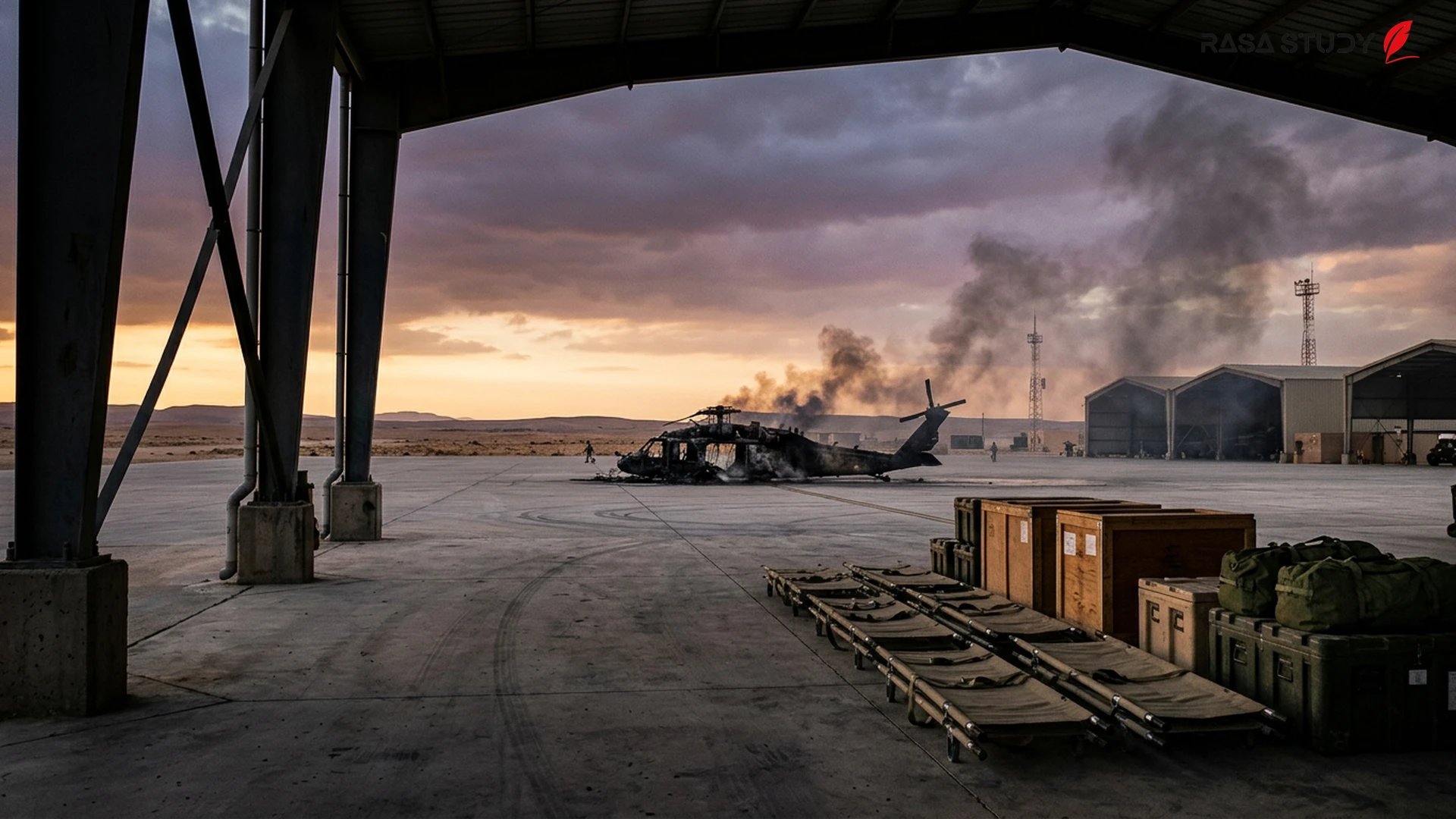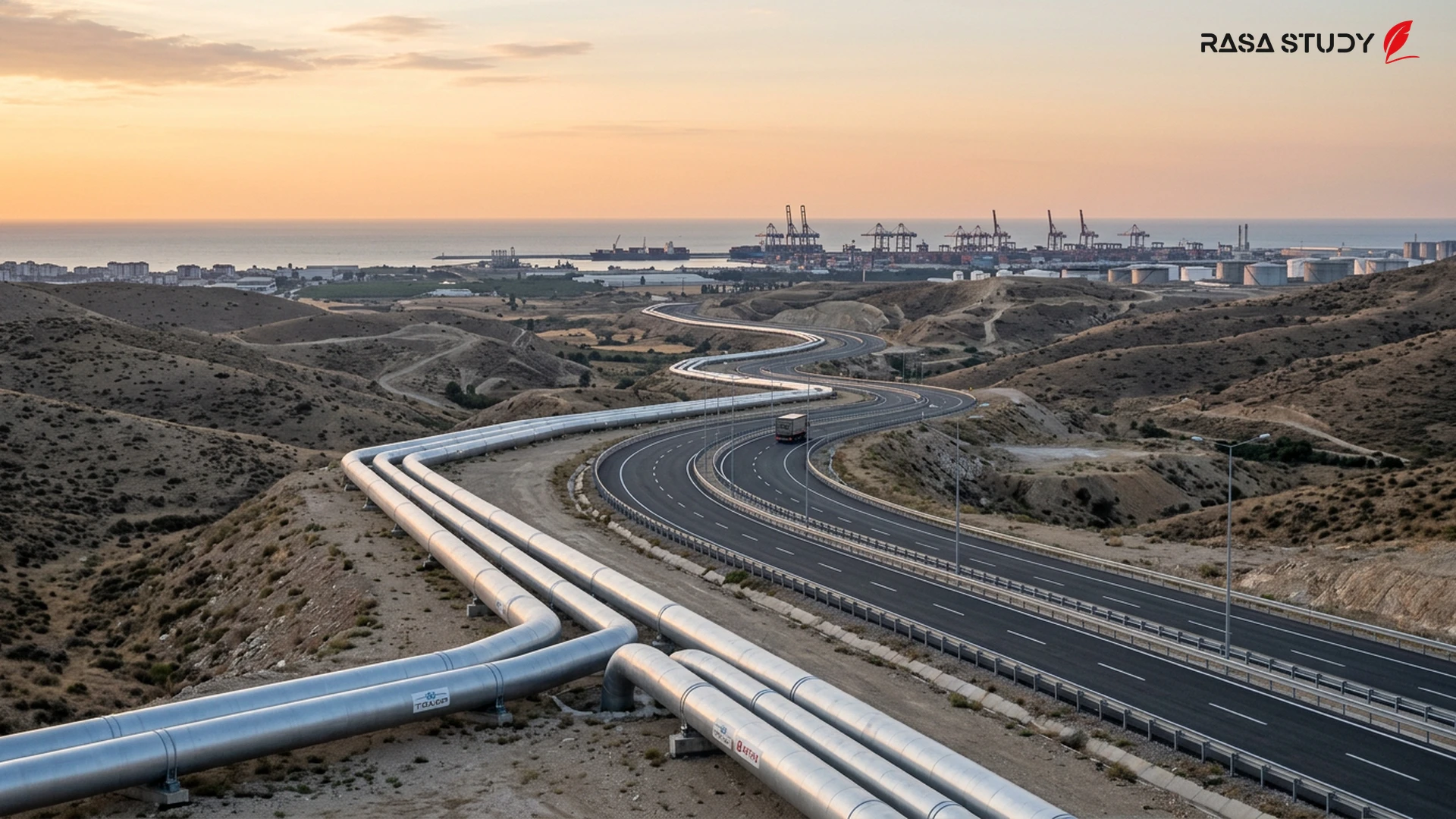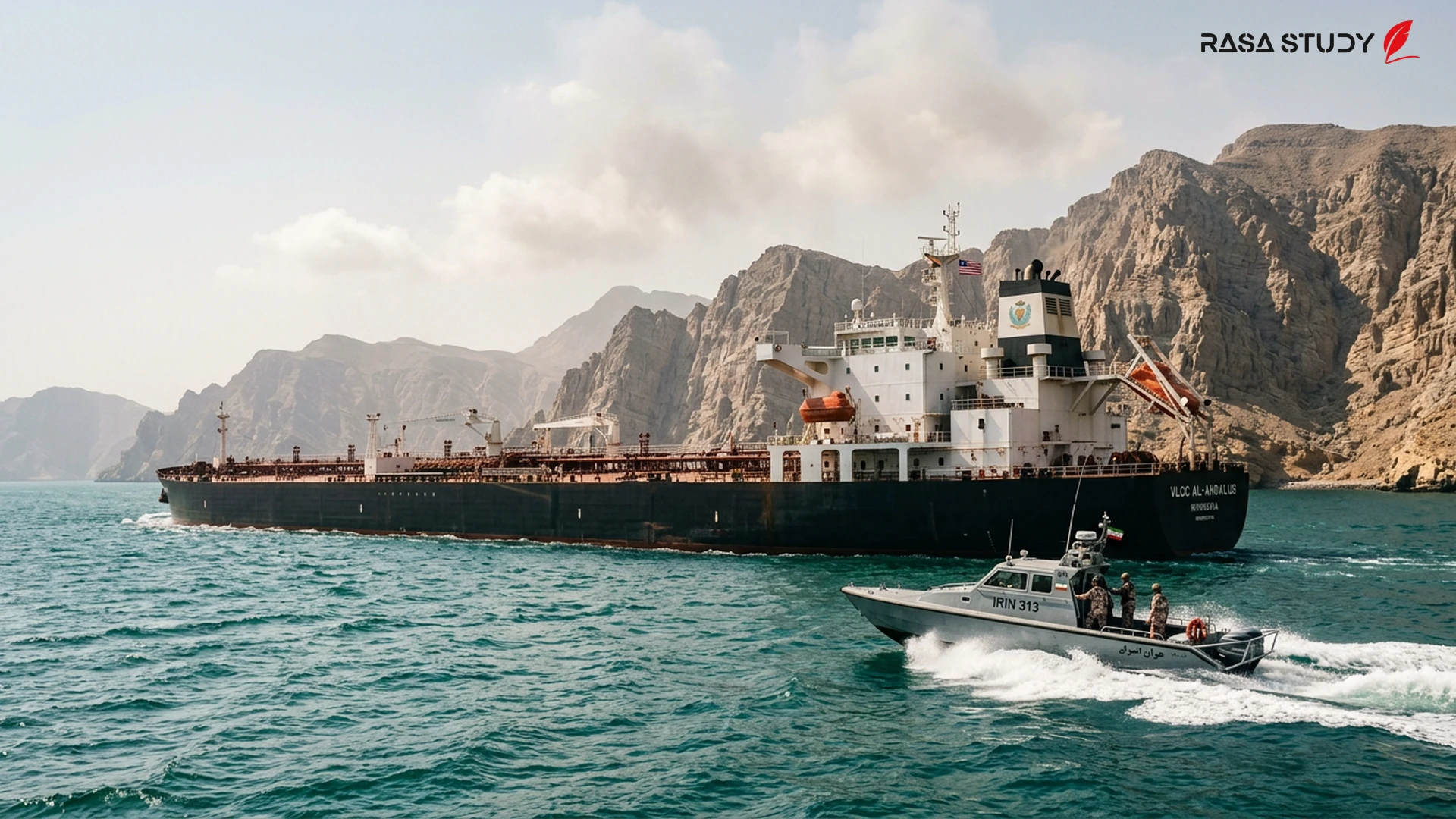
As the 60-day deadline of the temporary agreement approaches, tensions in the Strait of Hormuz have peaked once again. Iran is challenging the traditional order of this waterway by warning tankers and proposing the imposition of tariffs.
Today, July 3, 2026, the world faces a new reality in one of its most vital economic arteries. After months of military conflict that began last February, the fundamental question now is whether the era of "free passage" through the Strait of Hormuz has passed into history forever. [1]
The Islamabad Agreement and a Fragile Calm On June 17, 2026, Iran and the United States reached a temporary agreement under the "Islamabad Memorandum of Understanding" to end the war that had begun on February 28. According to this agreement, the parties committed to allowing free and safe passage for commercial ships for 60 days to pave the way for permanent peace negotiations [2]. However, reports from the region indicate that this calm is very fragile. The Khatam-al Anbiya Central Headquarters warned in a statement that all tankers are obliged to follow the routes designated by Iran, otherwise they will face a "decisive response" from the armed forces [4].
Proposed Transit Tariffs: The End of a Long-Standing Tradition One of the most controversial recent developments is the joint proposal by Iran and Oman to impose "administrative and navigation service fees" on passing ships. While before the war, passage through the Strait of Hormuz was free of charge according to international conventions, Tehran and Muscat have now submitted a plan to the International Maritime Organization (IMO) that could drastically increase energy transport costs [3]. The Trump administration and many Gulf countries have strongly opposed this plan, calling it illegal. US Secretary of State Marco Rubio emphasized that no country has the right to impose taxes or tariffs for passage through an international waterway [5].
Battle of the Corridors: Southern Strategy vs. Iranian Control In response to Iran's efforts to control the northern routes, Oman, in cooperation with UN agencies, has reopened the "Southern Corridor" near its coasts so that ships can avoid passing through routes controlled by the Islamic Revolutionary Guard Corps [3]. This move has angered Tehran, which views the presence of American fighter jets over the strait as a factor for regional insecurity [4]. Meanwhile, China has also expressed concern over the disruption of global trade, calling for a "proper settlement" of disputes and the return of full security to this waterway [2].
Outlook for the Doha Negotiations As Iran prepares for the funeral of its late leader later this week, indirect negotiations continue in Doha, mediated by Qatar and Pakistan [2]. The fate of global energy security depends on whether the parties can agree on a new legal regime for the Strait of Hormuz. If the temporary agreement expires without extension, Iran has threatened to start collecting tariffs from ships by mid-August, a move that could drive oil prices to new records [5].
Diplomatic and military tensions over the control of shipping routes in the Strait of Hormuz have reached their peak.
linkSources
- Hürmüz Boğazı'nda serbest geçiş dönemi tarihe mi karıştı? — Forbes Türkiye (2026-07-03)
- China calls for 'proper settlement' to end disruptions in Strait of Hormuz — Anadolu Agency (2026-07-03)
- Hürmüz Boğazı'nda yeni formül: Ortak ücret toplama önerisi sunuldu — Gazete Oksijen (2026-07-03)
- Iran tries to exert control over Hormuz with armed response warning — Seatrade Maritime News (2026-07-02)
- Iran determined to win recognition of control over Strait of Hormuz — Al-Monitor (2026-07-01)