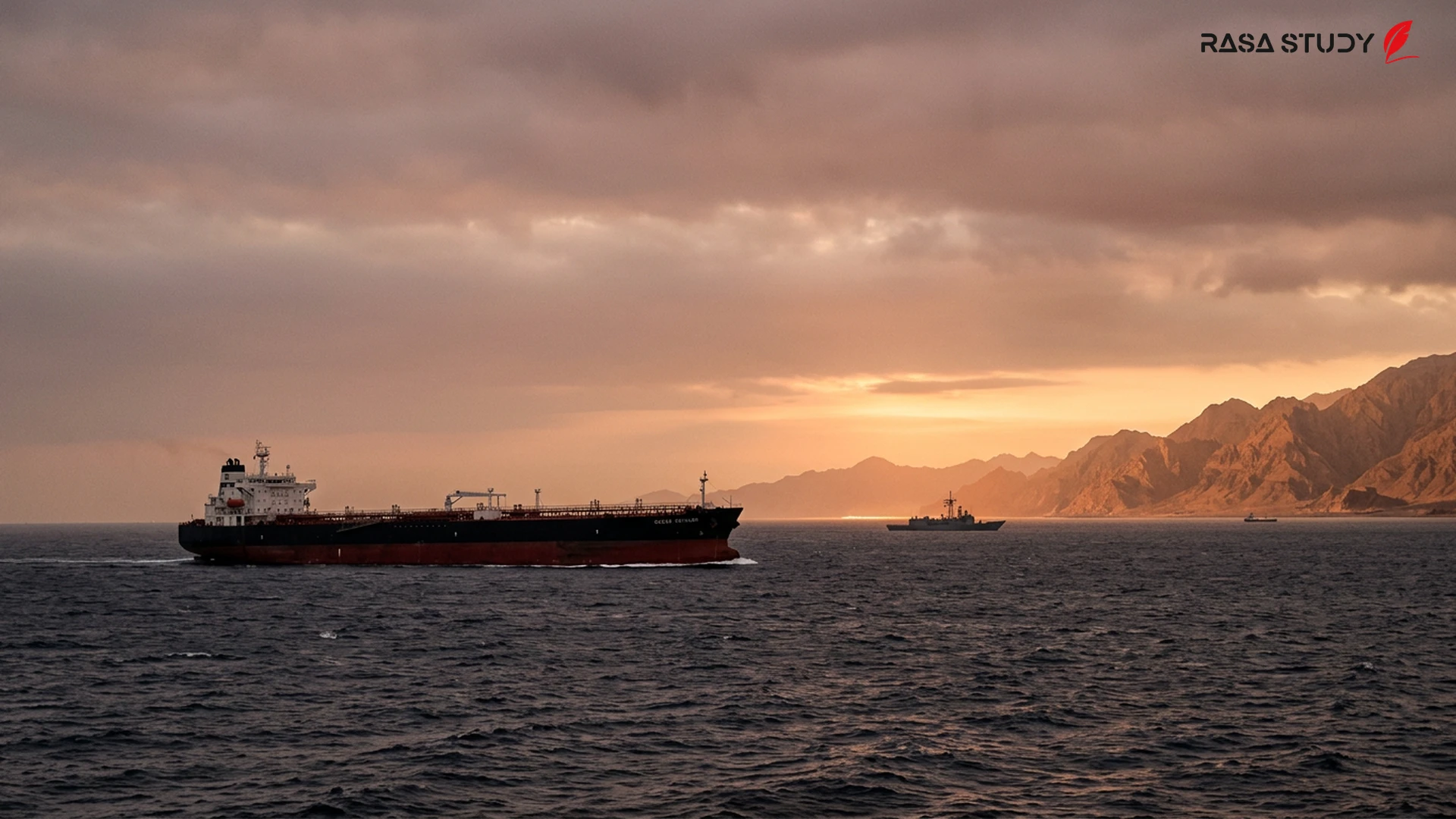
While Donald Trump brought tensions with Iran to a peak with the slogan “destruction of civilization,” new reports in July 2026 indicate that this threatening strategy has failed, resulting in a controversial ceasefire.
In recent months, the world has watched with bated breath the unprecedented confrontation between Washington and Tehran. In April 2026, U.S. President Donald Trump posted a shocking social media message claiming that “a whole civilization will die tonight.” This threat, which became known as the “Apocalyptic Threat,” shook global markets and sent oil prices soaring [2]. However, as time passed and July 2026 arrived, evidence suggests that this intimidation strategy has not achieved its ultimate goals.
Yakın Doğu Haber Analysis of Trump’s Pivot The analytical media outlet Yakın Doğu Haber, in a report dated July 3, 2026, examined this sudden shift in Trump’s stance. According to this outlet, Trump, who once spoke of the complete destruction of Iran’s energy infrastructure, has now submitted to an agreement that many observers describe as a clear retreat [1]. The analysis notes that Trump “threatens doomsday one minute and bows to the rival’s core demands the next.” This contradiction in behavior indicates the ineffectiveness of military threats against Tehran’s strategic resistance.
Strategic Concessions in the Strait of Hormuz and the Nuclear File A central axis of this failure is the issue of control over the Strait of Hormuz. Contrary to initial threats of seizing Iranian islands or destroying Iran’s military capabilities, recent agreements indicate a tacit recognition of Iran’s authority over this strategic waterway. According to reports, Iran has not only maintained its control but has also gained the right to collect transit fees in coordination with Oman [1]. This issue, alongside Tehran’s continued uranium enrichment activities, demonstrates the failure of the 2026 version of the “Maximum Pressure” strategy. Washington has effectively accepted that without cooperation with Tehran, global energy security will remain at risk.
Domestic and Economic Consequences for the White House On the U.S. domestic front, Trump faces serious economic challenges. Although he symbolically rang the opening bell of the New York Stock Exchange at the White House today, July 6, 2026, to bolster market confidence, the shadow of inflation and volatility caused by military tensions continues to weigh heavily on the economy [3]. Analysts believe that to prevent an economic collapse ahead of the midterm elections, Trump was forced to moderate his tone and accept a ceasefire. In fact, his “doomsday” threat targeted U.S. financial stability more than it intimidated Tehran.
Ultimately, the failure of Trump’s “Apocalyptic” threat showed that in the multipolar world of 2026, harsh rhetoric and threats of devastating wars can no longer shift the balance of power in Washington’s favor alone. By utilizing its strategic levers in the region, Tehran was able to pull Trump back from the brink of war toward the path of diplomacy.
Donald Trump in July 2026; from threats of destruction to accepting a ceasefire with Iran.
linkSources
- Trump’ın ‘kıyamet’ tehdidi neden karşılık bulmadı? — Yakın Doğu Haber (2026-07-03)
- Trump grants two-week extension for diplomacy to continue with Iran — Washington Post (2026-04-08)
- Trump rings Wall Street's opening bells from the Oval Office — Associated Press (2026-07-06)


