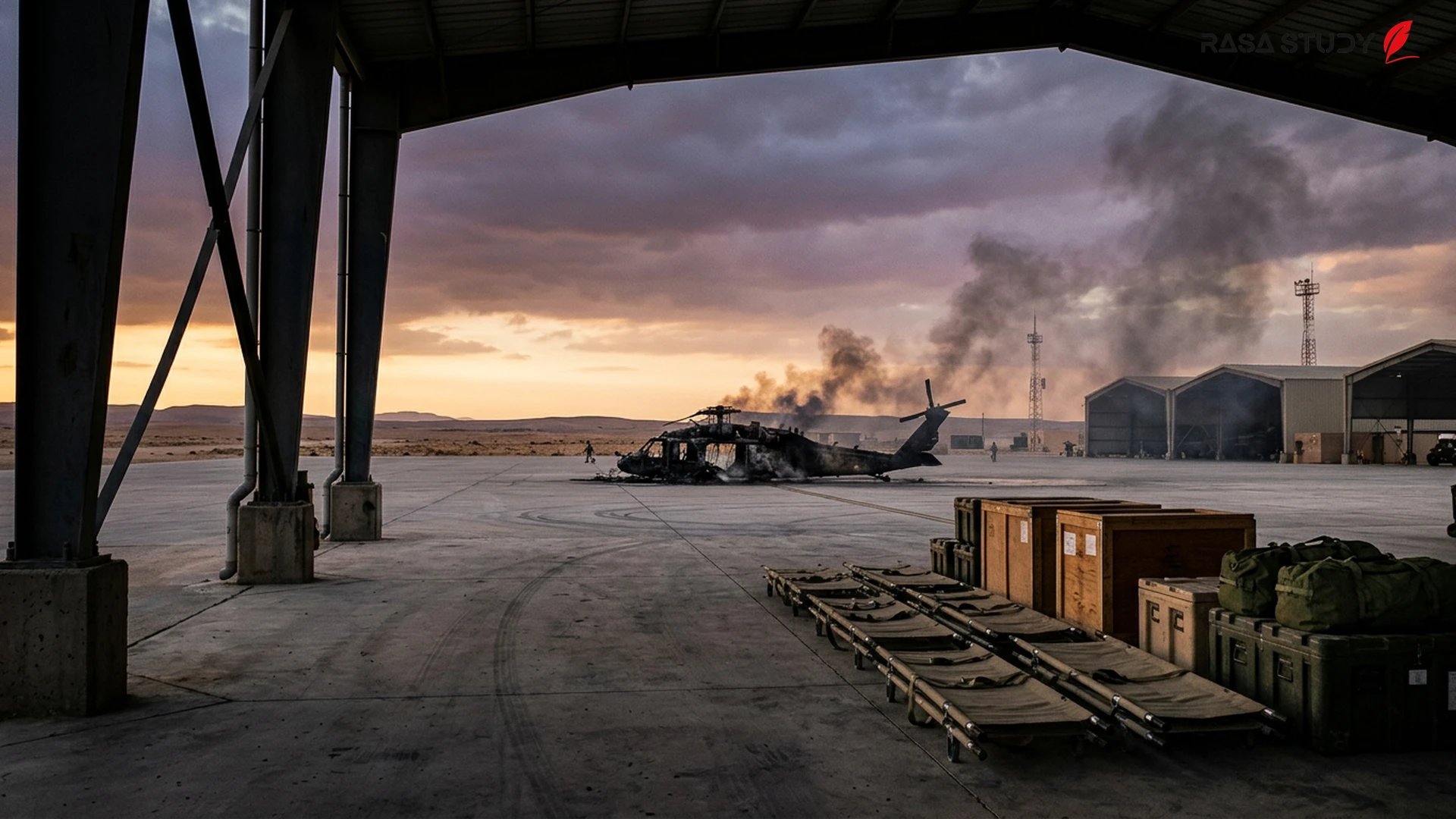
As the Middle East witnesses a fragile ceasefire after months of conflict, Donald Trump's remarks regarding his direct role in shaping Turkey's military strategy toward Iran have sparked a wave of intense debate in Ankara's media.
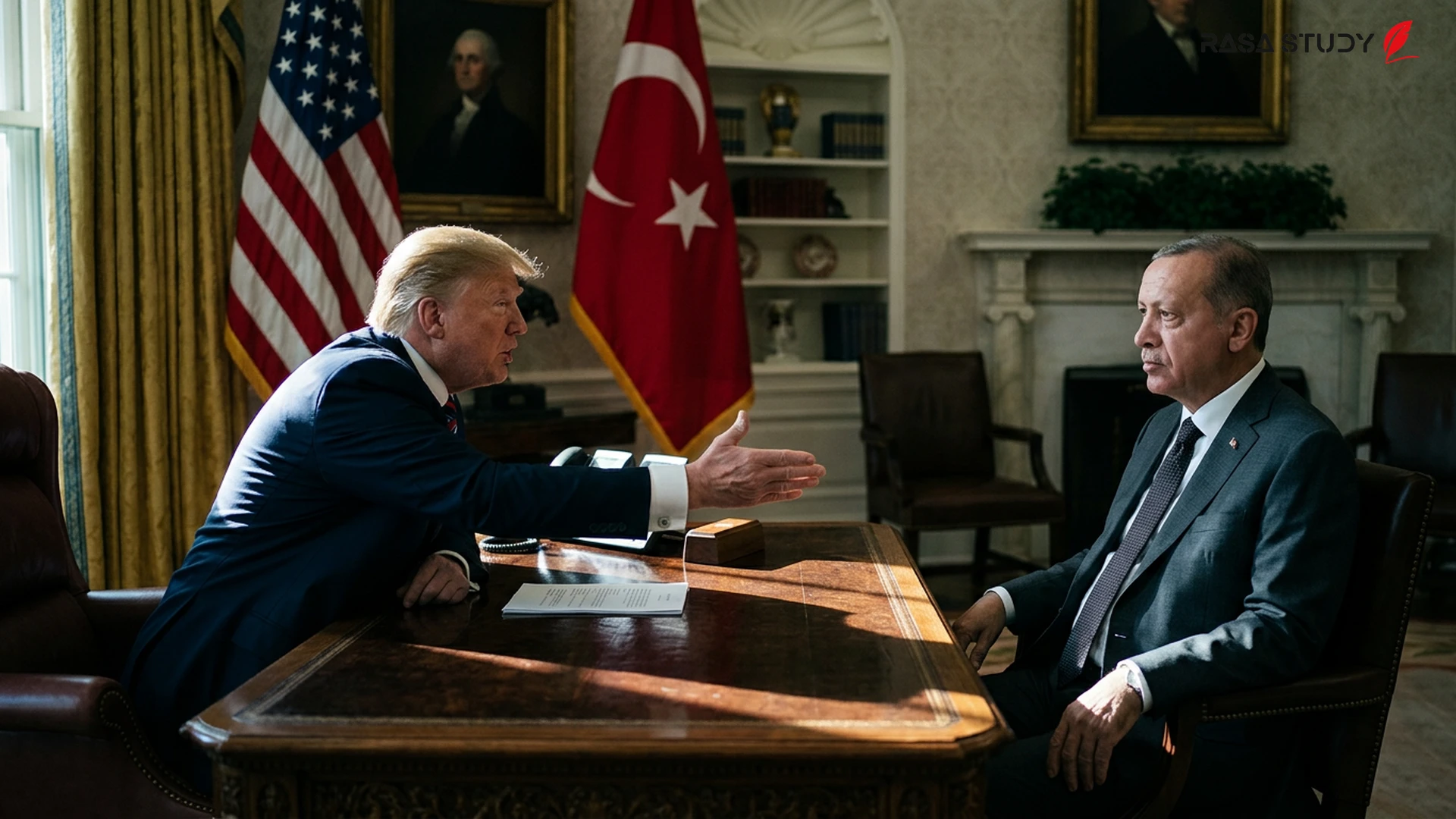
Trump's Remarks During Meeting with NATO Secretary General On June 24, 2026, US President Donald Trump made unprecedented claims about his relationship with Recep Tayyip Erdogan during a meeting with NATO Secretary General Mark Rutte at the White House. Trump claimed that during recent regional conflicts, Erdogan was the 'prime candidate' to enter the war in support of Iran because, according to Trump, he is 'not a big fan of Israel' [1].
Speaking to reporters in a tone suggesting deep influence over Ankara's decisions, Trump said: 'I asked him not to enter, and he didn't.' He also described Erdogan as a strong leader, adding: 'Everything I've ever asked him to do, he's done' [2]. These statements come at a time when Turkey had taken a hardline stance against Israel's actions in the region in recent months, yet Trump claims he personally prevented Turkish military intervention.
Reaction of Turkish Media; National Sovereignty Put to the Test The publication of these remarks in Turkey has been met with widespread and often critical reactions. The newspaper 'Yeniçağ Gazetesi' raised the question in an analytical report: Is Turkey's foreign policy toward Iran really dictated by Washington? [3]. Critics in Ankara believe such statements by Trump call Turkey's political independence into question and present an image of a 'commander and subordinate' relationship.
Many Turkish analysts point out that Turkey's decision not to enter the war directly was based on national interests and the regional balance of power, not merely a phone call from the White House. However, the relative silence of official authorities in Ankara in the initial hours following the claim has fueled speculation.
Trump's Proposed Package; From F-35 Jets to New Concessions Another part of Trump's speech that caught the attention of military circles was his reference to the potential sale of F-35 fighter jets to Turkey. In response to a question about rewarding Erdogan's cooperation, Trump indicated he intended to do something that would make Turkey 'very happy' [1]. Vice President JD Vance also confirmed that the administration is reviewing the F-35 file so that if Ankara adheres to specific conditions, these jets could be delivered to Turkey after years of the project being halted [2].
Balance of Power Between Ankara, Washington, and Tehran These developments occur as the region recently witnessed the signing of the 'Islamabad Memorandum of Understanding' to end the 2026 conflicts between Iran and the US-led coalition. Although Turkey did not officially participate in the war, it acted as an unofficial supporter of the peace process and a mediator alongside Pakistan. Trump's claim that he prevented Turkey from entering the war 'on Iran's side' highlights the complexity of Ankara's relations with both conflicting parties. While Trump attempts to portray this as a personal diplomatic victory, realities on the ground show that Turkey continues to strive for a delicate balance between its NATO obligations and its neighboring relations with Iran.
Donald Trump claims that Erdogan has implemented all his requests regarding the Iran crisis.
linkSources
- Trump claims he stopped 'great leader' Erdogan from bringing Turkey into war on Iran's side — The Times of Israel (2026-06-24)
- 'Maybe on the Iran side': Trump reveals Turkey's Erdogan stayed out of Iran war at his request — The Jerusalem Post (2026-06-25)
- Türkiye'nin İran politikasını Trump mı belirledi? 'Erdoğan'a girme dedim, girmedi' — Yeniçağ Gazetesi (2026-06-23)