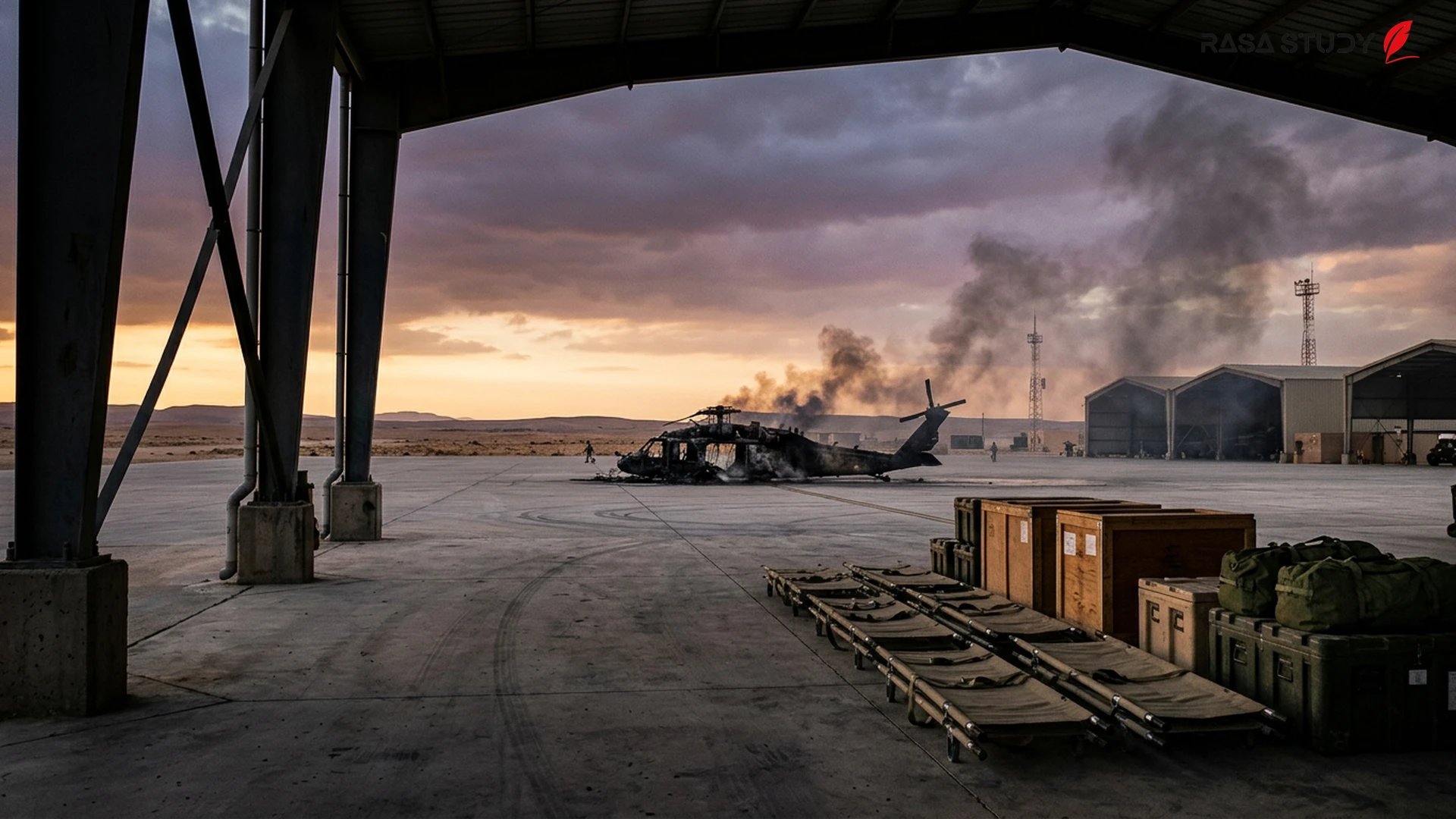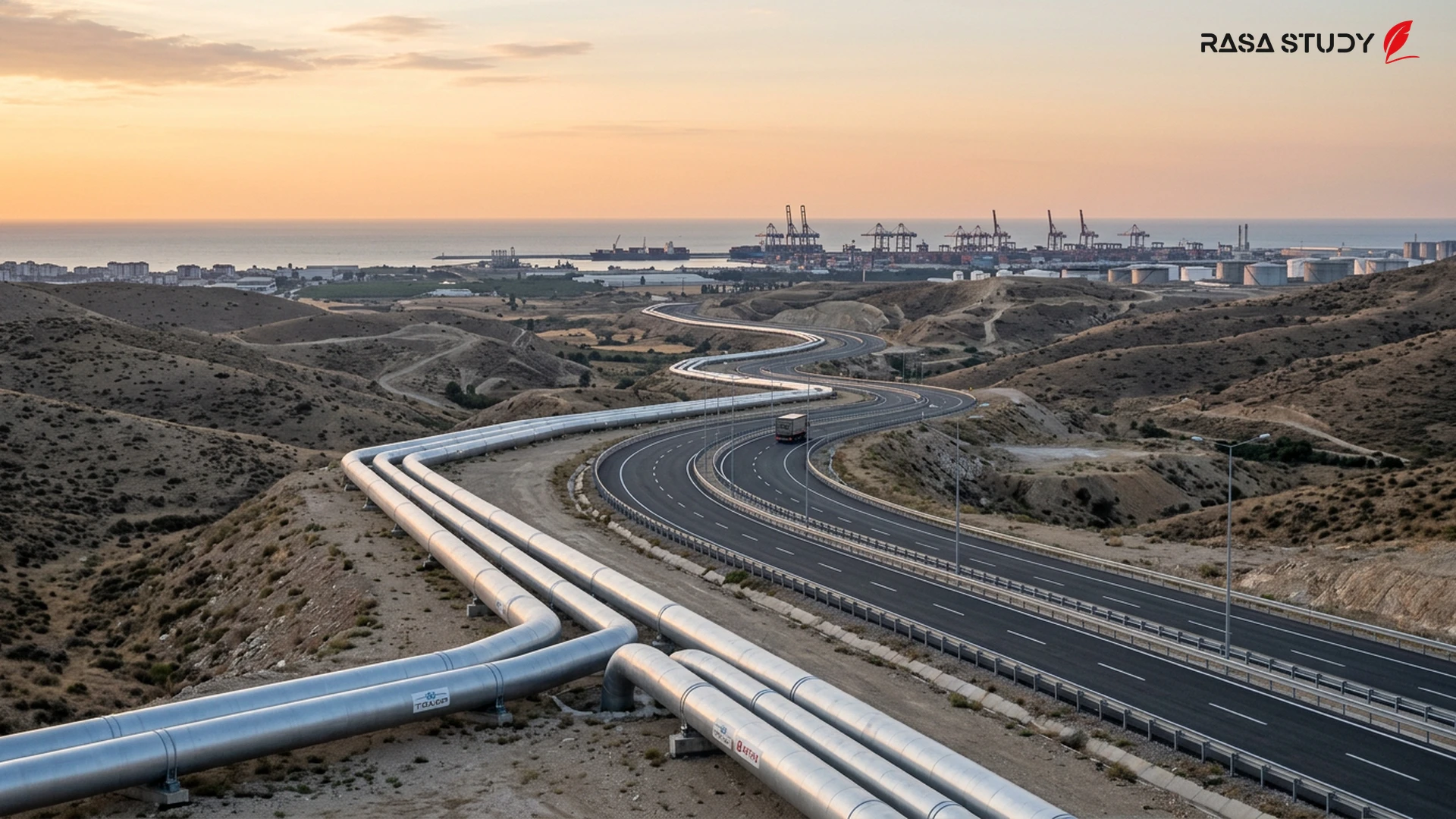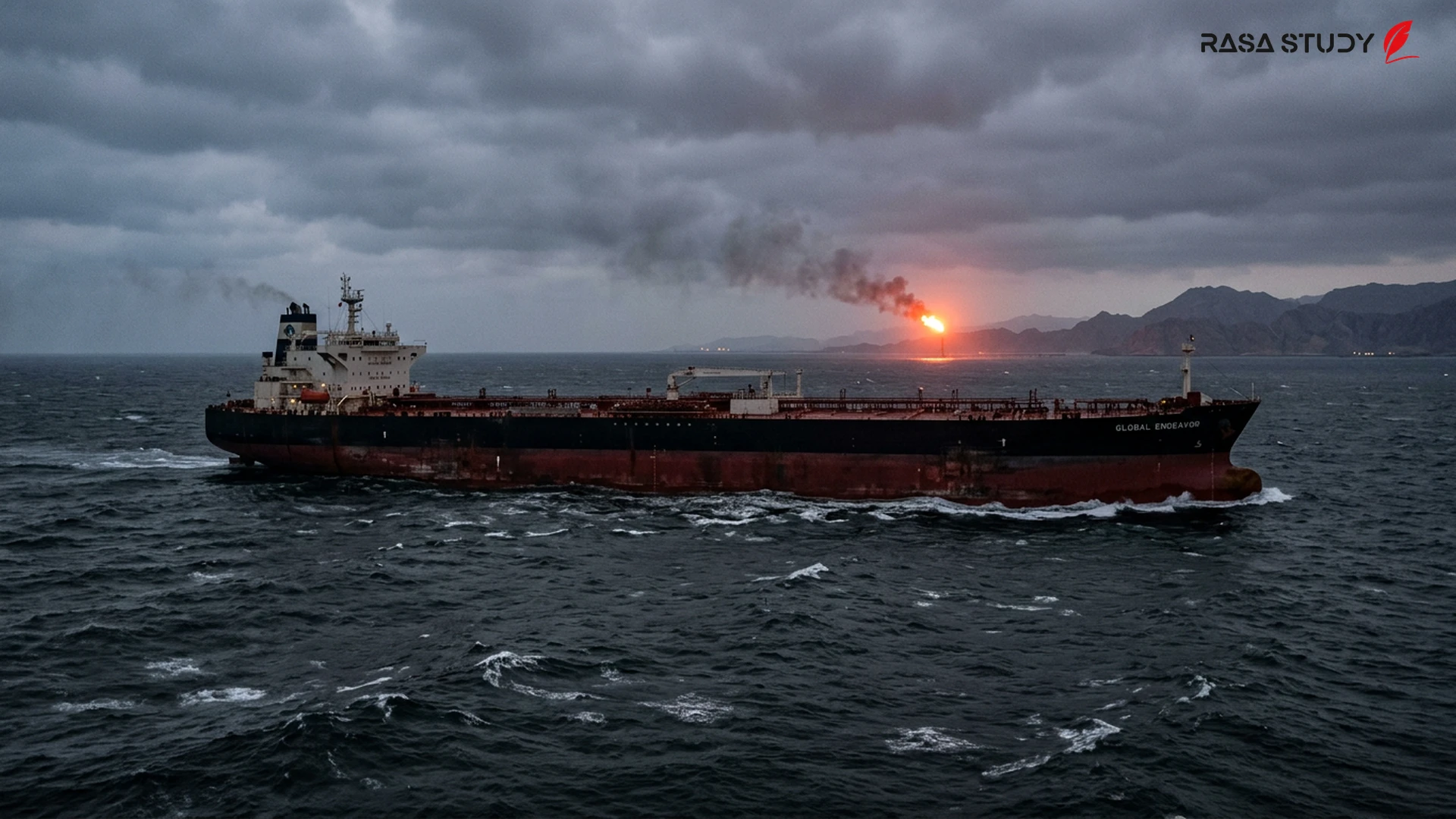
As tensions between Washington and Tehran escalate in June 2026, Donald Trump's new strategy, dubbed "Iranian Chess," has confronted not only the region but the entire global economy with an unprecedented crisis and rising energy prices.
Return of Maximum Pressure and Turbulence in the Oil Market
In recent weeks, Donald Trump's aggressive approach toward Iran has once again returned to global headlines. Reports indicate that the return to the "Maximum Pressure" policy and the imposition of new secondary sanctions have caused a sudden jump in crude oil prices in global markets [1]. Economic analysts warn that this move in "geopolitical chess" has increased shipping and production costs worldwide, reigniting global inflation that had only recently stabilized.
International Reactions and Diplomatic Isolation
United States' European allies and Asian partners are viewing these developments with deep concern. According to reports published on June 26, 2026, European financial markets are experiencing volatile days due to fears of energy supply chain disruptions [3]. Many world leaders believe that Trump's strategy, conducted without coordination with international institutions, has only led to Washington's diplomatic isolation and sharply increased security costs in the Persian Gulf.
Economic Consequences for Global Consumers
What the media refers to as "Costly Chess" has directly targeted the livelihoods of people across different continents. The increase in fuel prices in the United States and Europe has triggered a wave of protests [2]. Experts believe that if this political stalemate is not resolved quickly, global economic growth in the second half of 2026 will face a serious slowdown. This situation demonstrates that political games in the Middle East are no longer a regional issue, and their consequences have extended to the farthest corners of the world.
Future Outlook and the Necessity of Diplomacy
While the Trump administration insists on continuing this path, pressure on the White House to find a diplomatic solution has increased. Oil prices, which have now reached worrying levels, have sounded the alarm for the world's major central banks. The main question remains whether this political chess will eventually lead to a new agreement or if the world must prepare itself for a long period of economic instability.
Political tensions between Washington and Tehran have once again jeopardized global economic stability.
linkSources
- Oil Prices Surge as Trump Reinstates Secondary Sanctions on Iran — Reuters (2026-06-24)
- The Economic Fallout of Washington's New Middle East Strategy — Al Jazeera (2026-06-25)
- European Markets Bracing for Impact of US-Iran Escalation — Financial Times (2026-06-26)