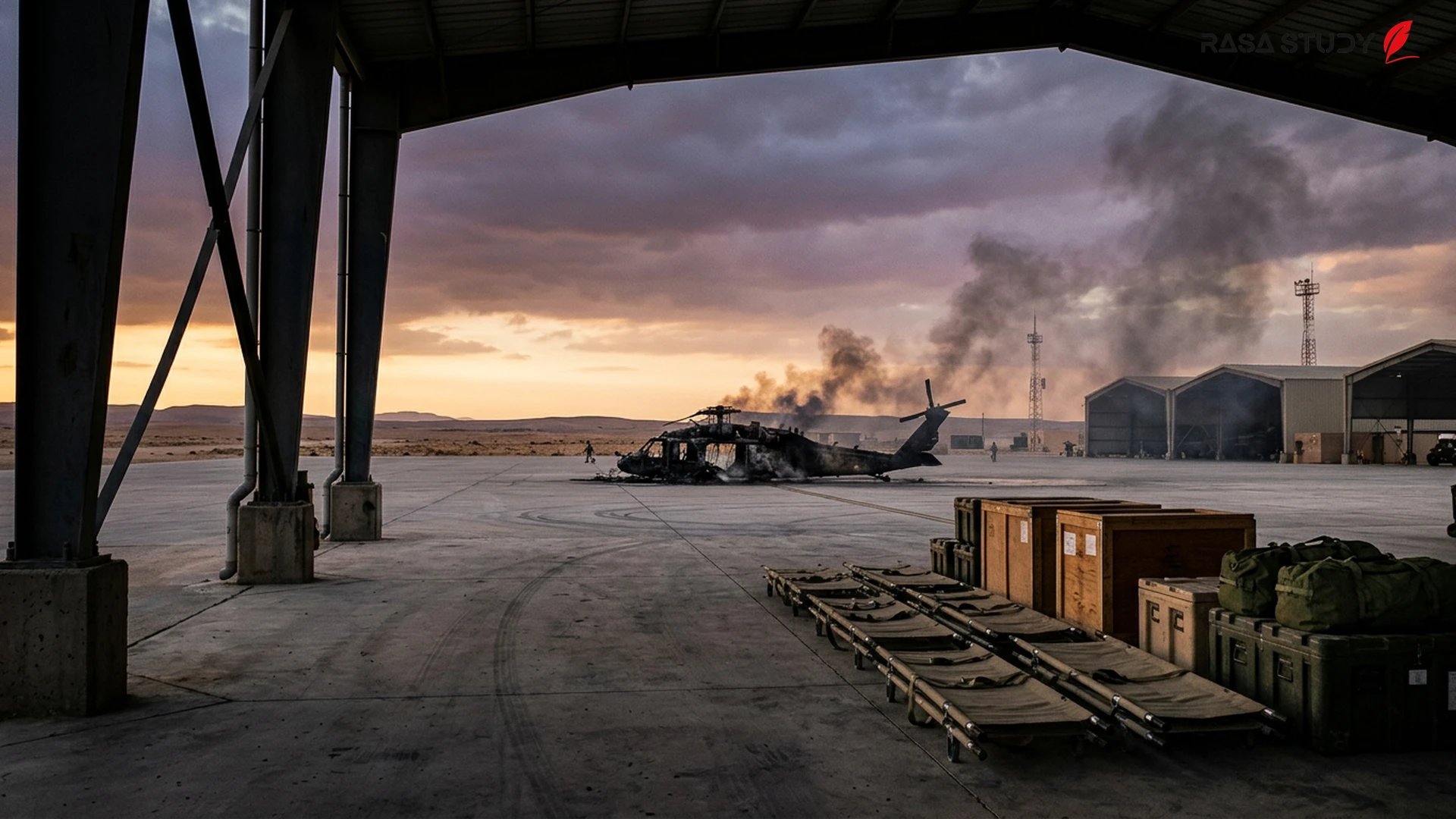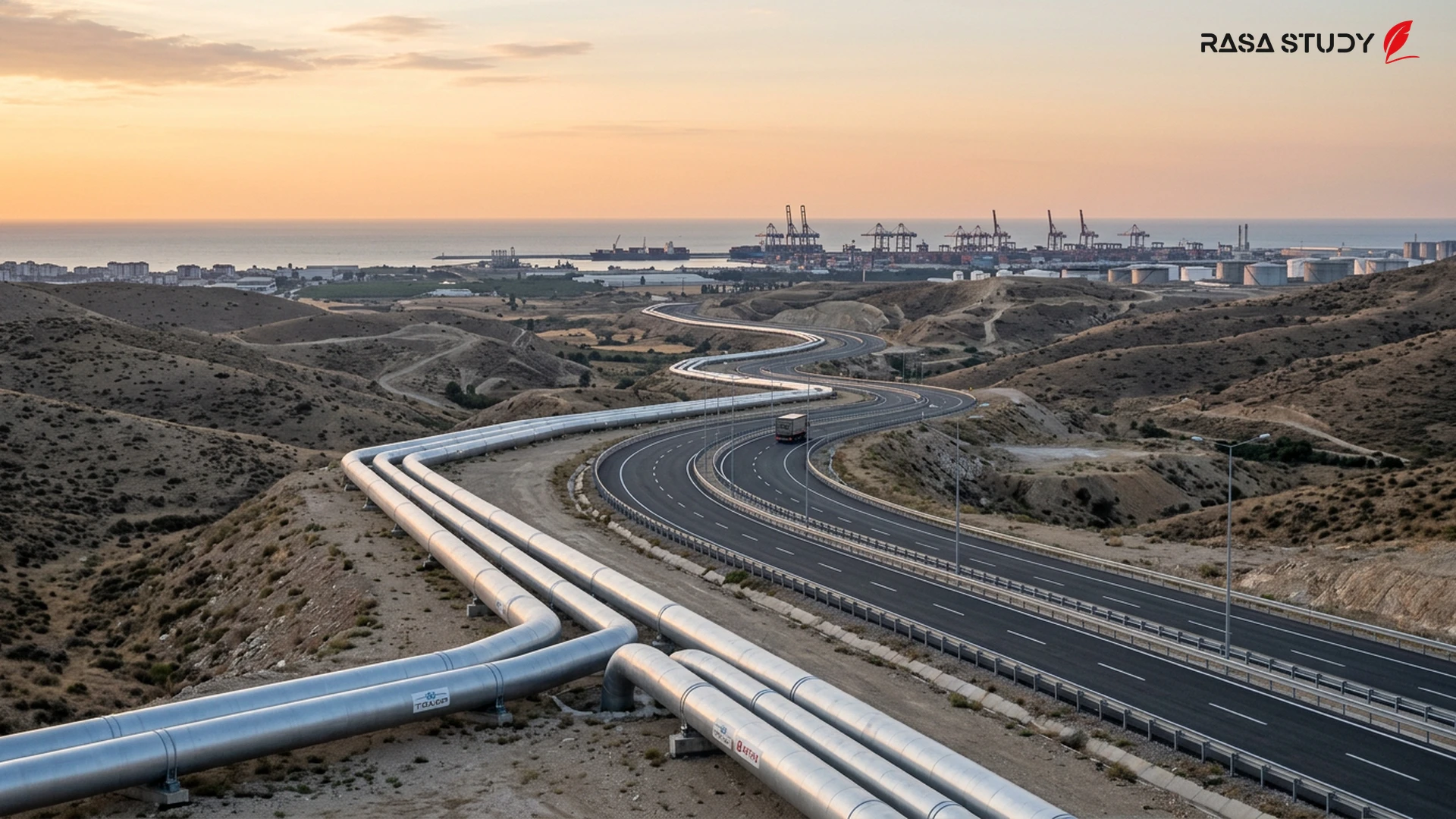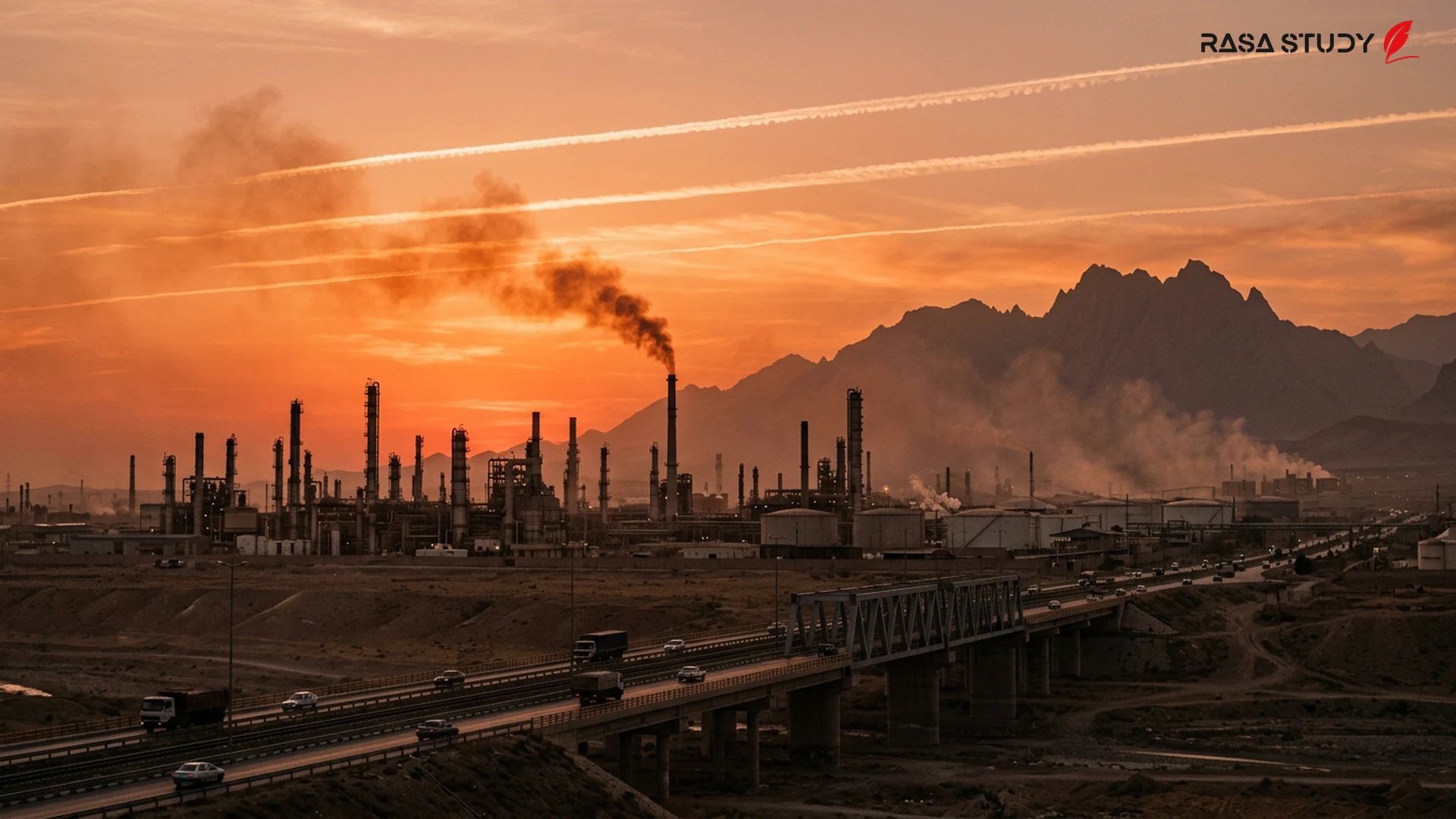
Following a crisis meeting in the White House Situation Room, Donald Trump announced that the United States is ready to move beyond border conflicts and target Iran's strategic and vital infrastructure with massive strikes.
Washington's Strategy Shift; From Naval Conflict to Deep Inside Iran On July 18, 2026, reports from Washington indicate a fundamental shift in the United States' military approach toward Iran. US President Donald Trump, after a key meeting in the White House Situation Room, announced that the US military's new targets will include Iran's strategic infrastructure [1]. This decision was made after previous attacks near the Strait of Hormuz failed to force Tehran to fully reopen this vital energy route.
In this meeting, attended by senior officials including JD Vance (Vice President), Pete Hegseth (Secretary of Defense), and Marco Rubio (Secretary of State), several military options for attacking previously unhit targets were reviewed [3]. Speaking to the media, Trump suggested these strikes could include bridges, power plants, and underground tunnel complexes such as the "Pickaxe Mountain" site [2][4].
Vital Importance of the Strait of Hormuz and Global Economic Pressure Zafar Özcivan, a Turkish analyst and author, noted in a commentary that Trump's focus on Iran's infrastructure is directly linked to energy security in the Strait of Hormuz [1]. This strait is the lifeblood of global oil trade, and its closure or insecurity could sharply increase fuel and food prices internationally. Washington believes that by targeting Iran's infrastructural capabilities, it can apply the necessary pressure to reopen this route and impose new nuclear terms [6].
Military Readiness and Deployment of Tanker Aircraft Intelligence reports show that the United States is deploying dozens of additional tanker aircraft to the region to support large-scale aerial operations [4]. These aircraft are primarily stationed at Ben Gurion and Ramon airports. Simultaneously, discussions about the possibility of limited ground operations to seize strategic points such as Kharg Island have emerged in military circles to strengthen US leverage in future negotiations [5].
Global Consequences and Diplomatic Deadlock While Trump claims "a deal is still possible," the tone of recent escalations and the identification of civilian and infrastructural targets indicate diminishing hopes for a diplomatic solution in the short term [2]. Analysts warn that attacking civilian infrastructure could lead to a full-scale regional war with consequences extending far beyond the Middle East. Markets have reacted sharply to this news, and the world is anxiously watching the White House Situation Room to see if the final order will be issued [1][3].
Donald Trump's meeting with security officials in the Situation Room to review military options against Iran.
linkSources
- ZAFER ÖZCİVAN - TRUMP DURUM ODASINDAKİ GÖRÜŞMEDEN SONRA YENİ HEDEFİN İRAN’IN STRATEJİK ALT YAPISI OLDUĞUNU AÇIKLADI — TurkHaber (2026-07-18)
- Trump held Situation Room meeting on massive new Iran strikes — Axios (2026-07-14)
- Report: Trump weighing major expansion of Iran campaign following Situation Room meeting — The Times of Israel (2026-07-15)
- US to send more refueling aircraft as Trump weighs wider Iran war — Anadolu Agency (2026-07-17)