Following the signing of a preliminary agreement to end the 2026 war and reopen the Strait of Hormuz, Donald Trump warned that any Iranian attempt to acquire nuclear weapons would be met with 'Hellfire.'
Trump’s Harsh Rhetoric Against Tehran Returns As the world breathed a sigh of relief at the announcement of a preliminary agreement between Washington and Tehran, U.S. President Donald Trump returned to the headlines with a sharp and warning tone. On the sidelines of the G7 summit in France, while confirming a 'framework agreement' to end recent conflicts, Trump explicitly stated that if Iran deviates from its commitments not to develop nuclear weapons, it will face consequences he described as 'Hellfire' [1]. These remarks, widely reported by CNBC-e, reflect Trump’s 'maximum pressure' approach even within a diplomatic setting.
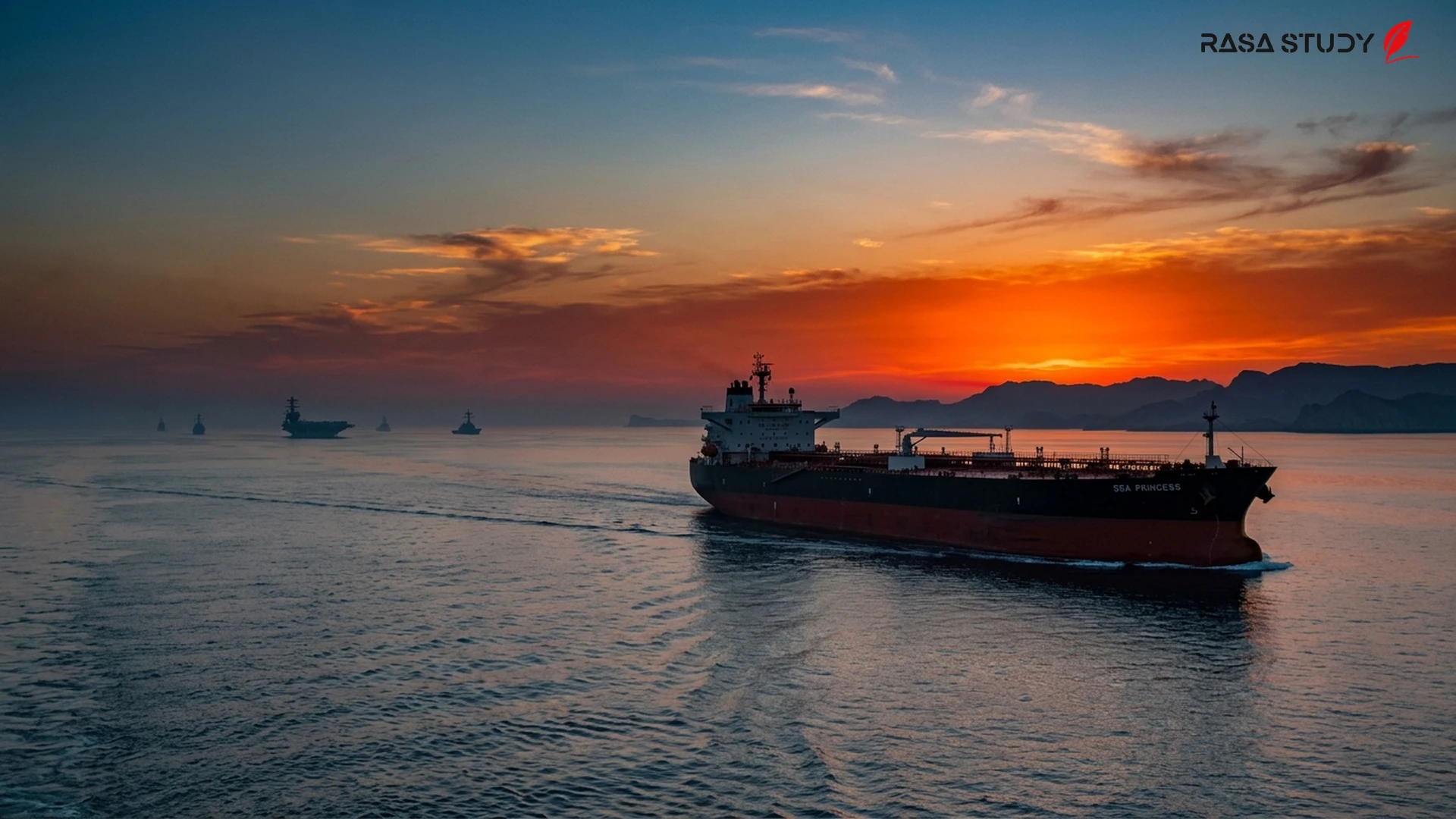
The 2026 Agreement: End of War or Temporary Truce? Reports published on June 16 and 17, 2026, indicate that the United States and Iran have reached a $300 billion deal to end a war that lasted nearly 100 days [2]. The agreement includes the immediate reopening of the Strait of Hormuz and the lifting of a naval blockade that had significantly spiked energy prices in global markets in recent months [3]. However, Trump emphasized that this is only the first phase, and if a final nuclear deal is not reached in the second phase, military strikes will resume with even greater intensity [2]. Speaking to the media, he stressed: 'We will not allow Iran to buy, build, or obtain a nuclear weapon' [1].
Comparison with JCPOA and Washington’s New Conditions Trump claims his new agreement is far more powerful than the 2015 deal (JCPOA) under Barack Obama [2]. In recent interviews, he noted that under intense military and economic pressure, Iran has accepted 15-year restrictions on uranium enrichment at very low levels [1][4]. However, expressing skepticism toward Tehran officials, he added: 'They have agreed not to have nuclear weapons, but they might change their minds; that is why we are ready' [4]. Meanwhile, Israeli Prime Minister Benjamin Netanyahu remains skeptical of the deal, to which Trump responded sharply, claiming Israel owes its safety to his actions and that without this pressure, Israel would not last two hours against a nuclear Iran [2].
Outlook for Middle East Stability Despite Trump’s threatening tone, global markets reacted positively to the reopening of the Strait of Hormuz. The formal signing of the agreement is expected in the coming days in Doha or Switzerland, likely triggering a decline in oil prices [3]. Nevertheless, experts believe that the threat of 'Hellfire' and conditioning sanctions relief on unprecedented inspections show that the path to lasting peace in 2026 remains full of diplomatic landmines [1][3].
On the sidelines of the G7 summit, Donald Trump detailed the new agreement with Iran and his nuclear warnings.
linkSources
- Trump'tan mutabakat sonrası "nükleer" vurgusuyla İran'a ilk tehdit: "Başlarına cehennem azabı gelecek" — CNBC-e (2026-06-16)
- Trump, İran'ı yeni tehdit etti: Nükleer anlaşma olmazsa saldırılar yeniden başlayabilir — Rudaw (2026-06-15)
- Iran and U.S. reach an initial deal to end the war and open the Strait of Hormuz — The Columbian / AP (2026-06-15)
- Trump says Iran agreed to not have nuclear weapons, but 'they can change their mind' — CNBC (2026-06-03)