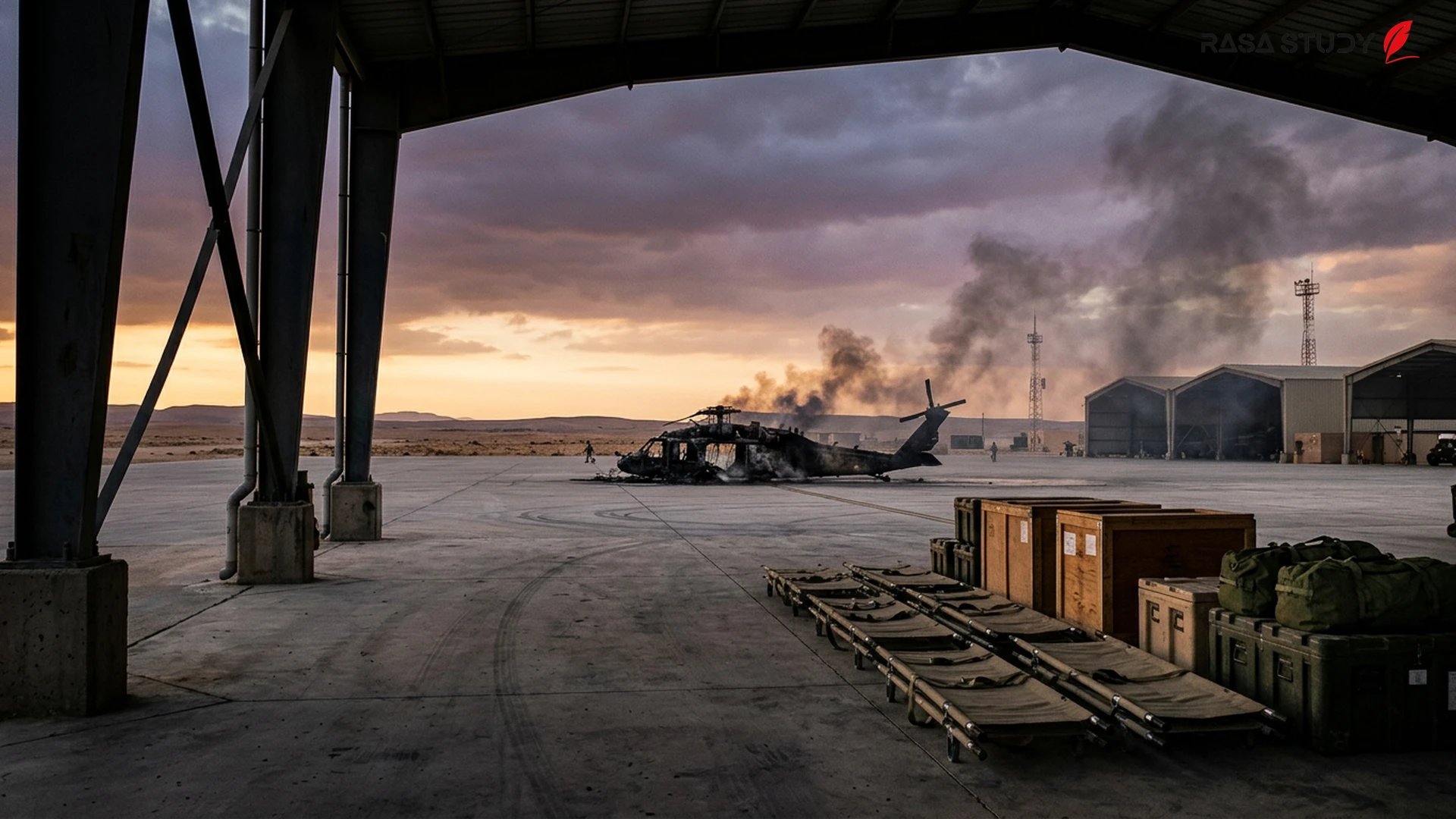
As the world witnesses unprecedented geopolitical tensions in July 2026, new reports indicate that Donald Trump's proposal packages for allies are tools for strategic pressure and threats rather than gifts.
Return to the Era of Pressure Diplomacy Today, July 6, 2026, on the eve of the NATO leaders' summit in Ankara, the political atmosphere in Turkey and the region is influenced by sharp analyses questioning the true nature of Donald Trump's policies. The media outlet "Hurseda Haber," in a controversial report titled "There is a threat, not a gift, in Trump's bag," examined the American president's transactional approach [1]. The report emphasizes that contrary to public perception, Washington's proposals for the sale of advanced military equipment are actually chains for greater control over the defense policies of allied nations.
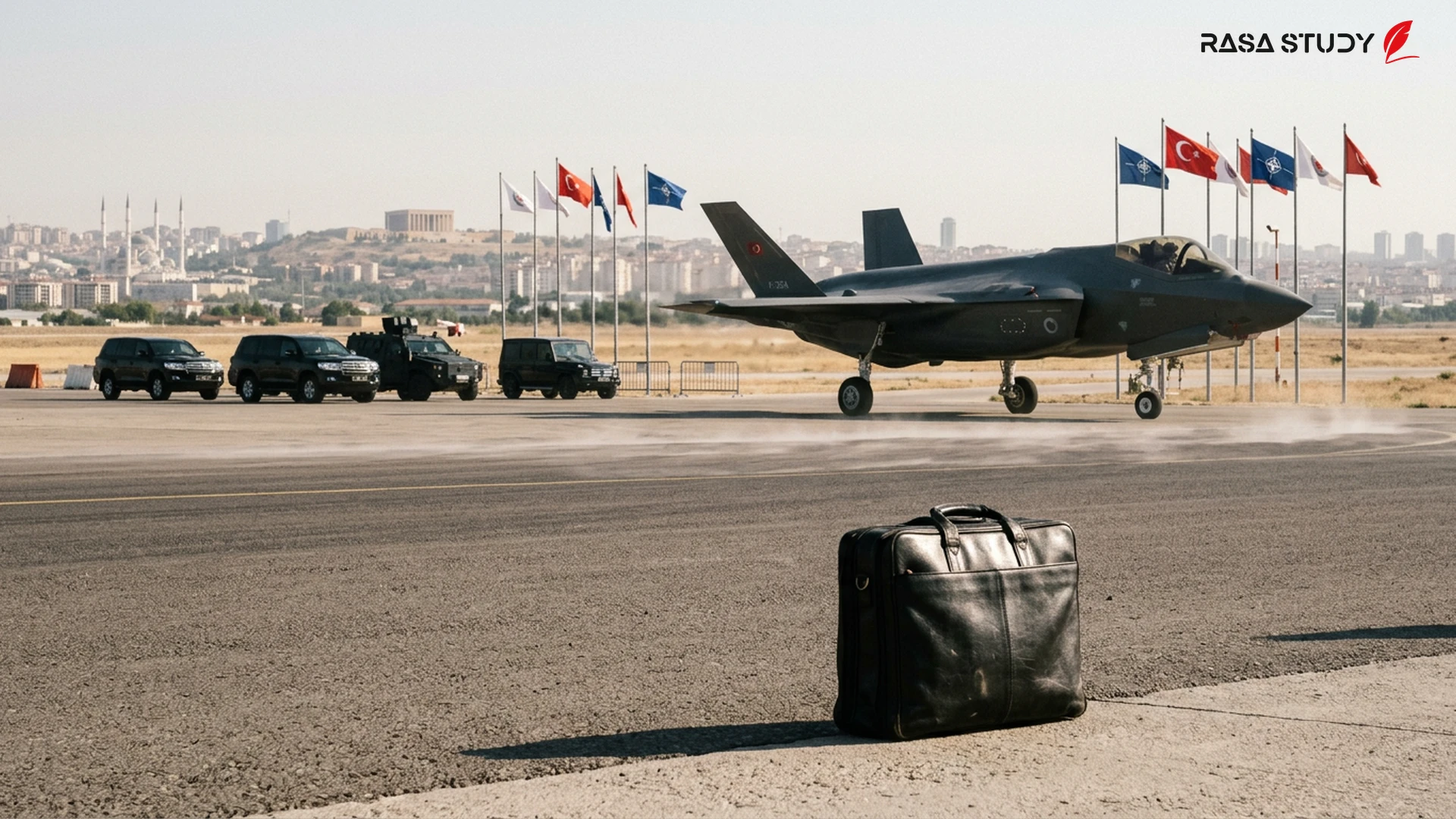
The F-35 Enigma and National Sovereignty One of the main axes of this discussion is the return of the F-35 fighter jet issue to the negotiating table. Retired Air Force Colonel İhsan Sefa warned in an interview that the "key" to these aircraft is in the hands of the United States, and Turkey cannot use them against the interests of Washington or its specific allies like Greece and Israel [1]. He pointed to incidents in past years where flight access codes were deactivated by the control center in America. This military analyst believes that dependence on American technology means accepting hidden threats that could paralyze the country's defense capabilities at any moment.
The Trump Doctrine in 2026: Beyond Borders Trump's foreign policy in 2026 is characterized by a combination of heavy economic tariffs and direct military threats. Following intense tensions with Iran earlier this year and Trump's claim of "destroying Iran's military power," he is now dealing with other actors from a position of strength [3]. In his recent speech on the occasion of the 250th anniversary of American independence, he once again emphasized the "America First" doctrine and described his domestic and foreign opponents with terms such as "cancer" [3]. This unpredictable approach has put even traditional allies like Canada and Britain on alert, as the threat of imposing 25% tariffs has become a permanent tool in his diplomatic bag [2].
The Ankara Summit and Anti-NATO Movements Simultaneously with Trump's arrival in the region, a wave of protests under the title "No to NATO" has formed in Turkey. Groups such as the "Akıncılar Movement" have issued statements calling for Turkey's withdrawal from this military alliance [1]. They believe that being in NATO makes Turkey part of Trump's warmongering plans, the ultimate goal of which is to ensure the absolute security of Israel and weaken regional countries. Meanwhile, Washington's new counter-terrorism strategy, approved in May 2026, has increased pressure on resistance groups and independent countries, making the diplomatic atmosphere more securitized than ever [4].
Conclusion: The Necessity of Re-evaluating Alliances What emerges from the July 2026 analyses is that the era of "free gifts" in American diplomacy has ended. Every proposal package offered by the Trump administration carries a heavy cost, including a retreat from national sovereignty and the acceptance of Washington's dictates. For countries like Turkey, the main challenge at this stage is finding a way to maintain a balance between military needs and political independence against a president who prefers the language of threats over the language of diplomacy.
Donald Trump issued new threats against rivals and allies during his speech on the 250th anniversary of American independence.
linkSources
- Trump’ın çantasında hediye değil tehdit var — Hürseda Haber (2026-07-05)
- America has long stood for freedom, but under Trump threats have become the norm — The Guardian (2026-07-03)
- Trump marks 250th anniversary of US with pointed attacks on threats — The Business Standard (2026-07-05)
- Trump names key threats to US security in new counterterrorism strategy — Caliber.Az (2026-05-07)