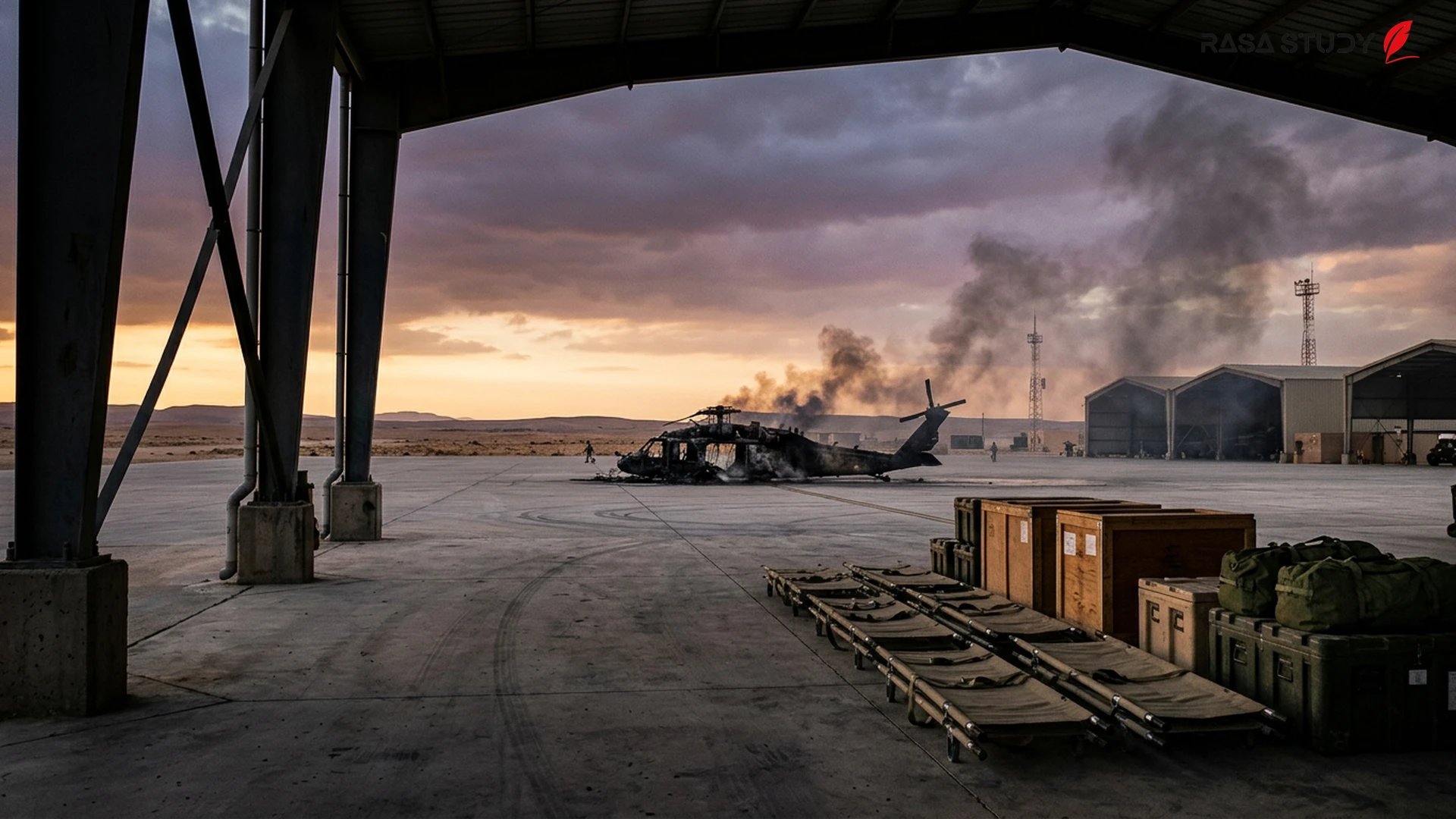
Fatih Karahan, Governor of the Central Bank of the Republic of Turkey (CBRT), officially stated in his speech today in Istanbul that military and geopolitical tensions related to Iran are primarily responsible for rising energy prices and disruptions in the country's disinflation path.
Direct Impact of Regional Tensions on the Turkish Economy
Fatih Karahan, Governor of the Central Bank of Turkey, emphasized today, July 10, 2026, during a report titled "Inflation and Macroeconomic Outlook" in Istanbul, that supply shocks resulting from regional conflicts, particularly the state of war in Iran, have posed a serious challenge to the disinflation process [1]. According to the presented data, although Turkey's annual inflation rate fell to 32.1% in June 2026, cost pressures from rising energy and food prices have prevented the achievement of previously projected targets [3].
Karahan clarified that Central Bank analyses show every 10% increase in oil prices adds approximately 1.1 percentage points to consumer inflation over a one-year period. He noted that the war in the region has affected not only direct energy prices but also food supply chains and transportation costs, creating secondary inflationary pressures across various sectors [3][4].
Expiration of Gas Contract and Payment Challenges
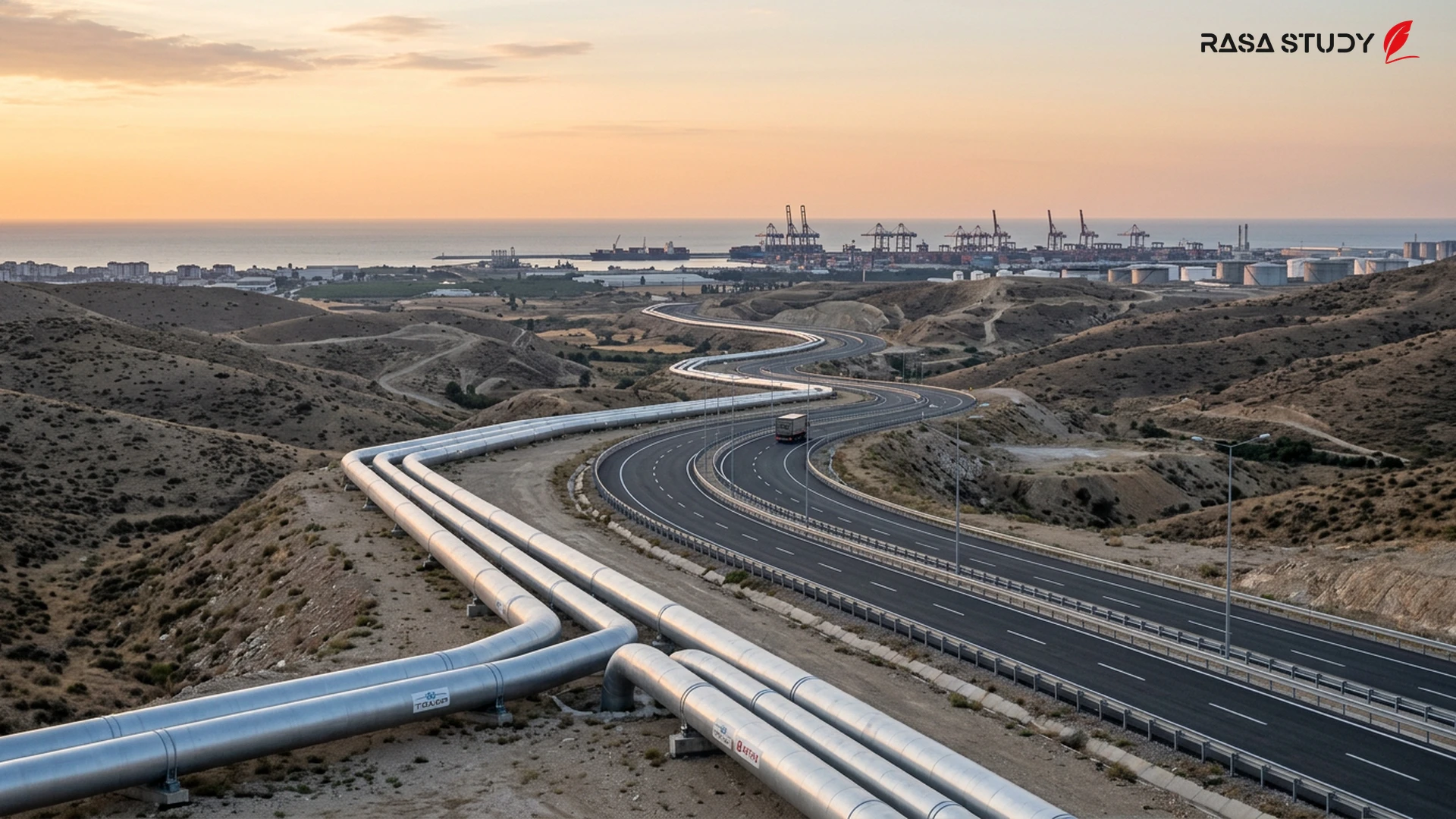
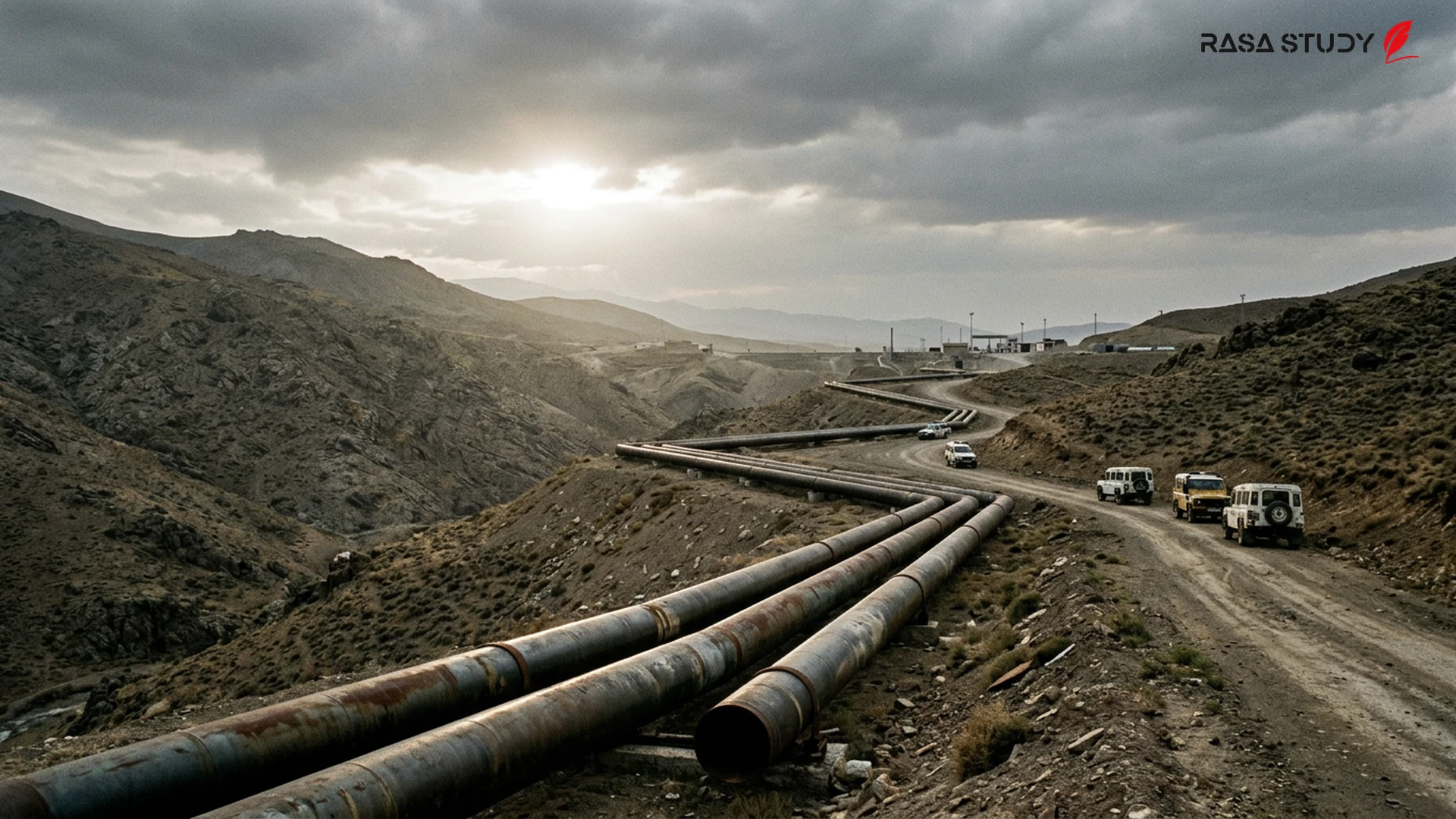
A key focus of the Turkish economic officials' remarks was the expiration of the 25-year natural gas import contract with Iran in July 2026. This issue, alongside recent strikes at the South Pars gas field and severe banking restrictions due to new sanctions against Iran, has placed Turkey's energy supply in a complex situation [5].
According to analysts, although Turkey has multiple options for importing Liquefied Natural Gas (LNG), infrastructure in Eastern Anatolia remains dependent on gas imported from the eastern borders. The Central Bank Governor mentioned that this uncertainty in energy supply and price fluctuations in global markets has made economic forecasting more difficult and created upside risks for short-term inflation [1][5]. The International Monetary Fund (IMF) also lowered its global growth forecast for 2026 in its recent report due to these conflicts [4].
Revision of Inflation Targets and Monetary Policy
In response to this crisis, the Central Bank of Turkey had previously raised its medium-term inflation target for the end of 2026 from 16% to 24% [2]. Karahan emphasized in his speech today that a tight monetary policy and high interest rates (currently at 37%) will be maintained until price stability is achieved [2][3].
He further added that the Central Bank is prepared to implement more stringent measures if inflation deviates further from the targeted path. Despite the decline in inflation from its peak of 75% in 2024, officials in Ankara believe that "factors outside the control of monetary policy," especially geopolitical tensions on the eastern borders, are the biggest obstacle to reaching single-digit inflation in the coming years [1][2].
Fatih Karahan, Governor of the Central Bank of Turkey, at a press conference in Istanbul (July 10, 2026)
linkSources
- Merkez Bankası Başkanı Karahan, jeopolitik çatışmaların dezenflasyon sürecini geciktirdiğini açıkladı — Karar (2026-07-10)
- Turkish central bank raises interim inflation targets, warning of Iran war effects — Daily Sabah (2026-05-14)
- Iran war exerts cost-push pressure on inflation, says Turkish Central Bank governor — Hürriyet Daily News (2026-03-31)
- IMF cuts 2026 global growth forecast citing Iran war impact — Cyprus Mail (2026-07-10)
- Turkey's Iran Gas Deal Expiry: LNG, South Pars Strikes, and Payment Challenges — Forbes (2026-06-29)