Following the end of the 2026 military conflicts between Iran and the Western coalition, European press reports that Turkey has become the most vital security partner for Persian Gulf countries, with defense exports surging to $11 billion.
Recent geopolitical developments in the Middle East, particularly after the end of the short but devastating war between Iran and the US-led coalition in June 2026, have shifted the balance of power in an unprecedented way. Reputable European media, including Belgium's "Modern Diplomacy," have emphasized in recent analyses that Turkey has now emerged as the "most valuable defense partner" for Persian Gulf countries [1][2]. This shift in approach is a direct result of the inefficiency of certain Western systems in protecting the region's critical infrastructure during recent conflicts and the desire of Arab nations to diversify their military allies.
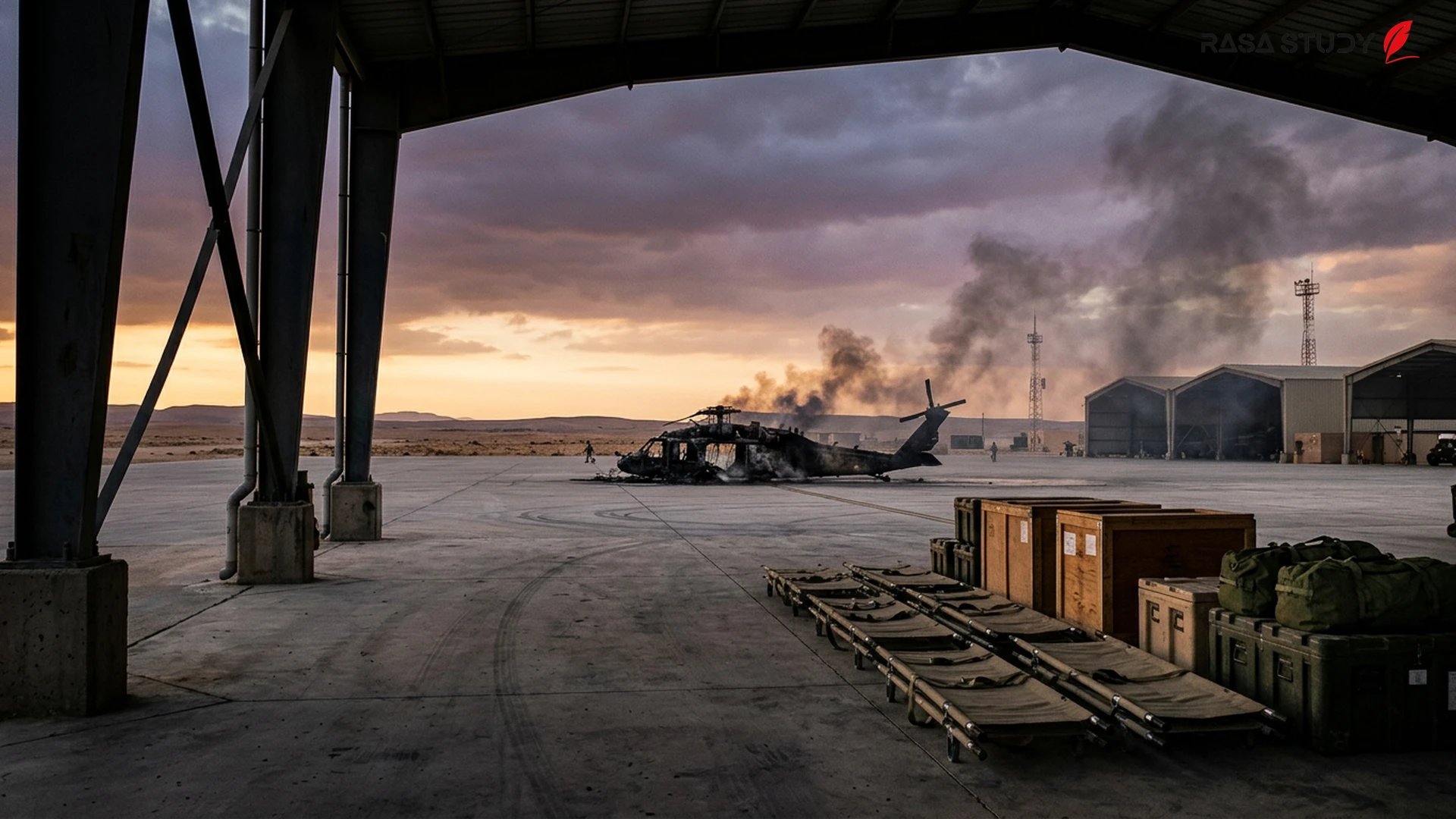
Shifting Balance of Power and the Failure of the Traditional Security Umbrella The 2026 Iran war, which ended with Donald Trump signing the Versailles Memorandum on June 17, held hard lessons for Arab capitals. During this conflict, massive drone and missile attacks on desalination plants and energy centers proved that sole reliance on expensive American defenses was insufficient [3][5]. Gulf countries felt that at the height of the crisis, Washington's priority was securing Israel, leaving them alone against loitering munitions and cruise missiles. This "security vacuum" was immediately filled by the Turkish defense industry, which offers products tailored for modern, saturating warfare [3].
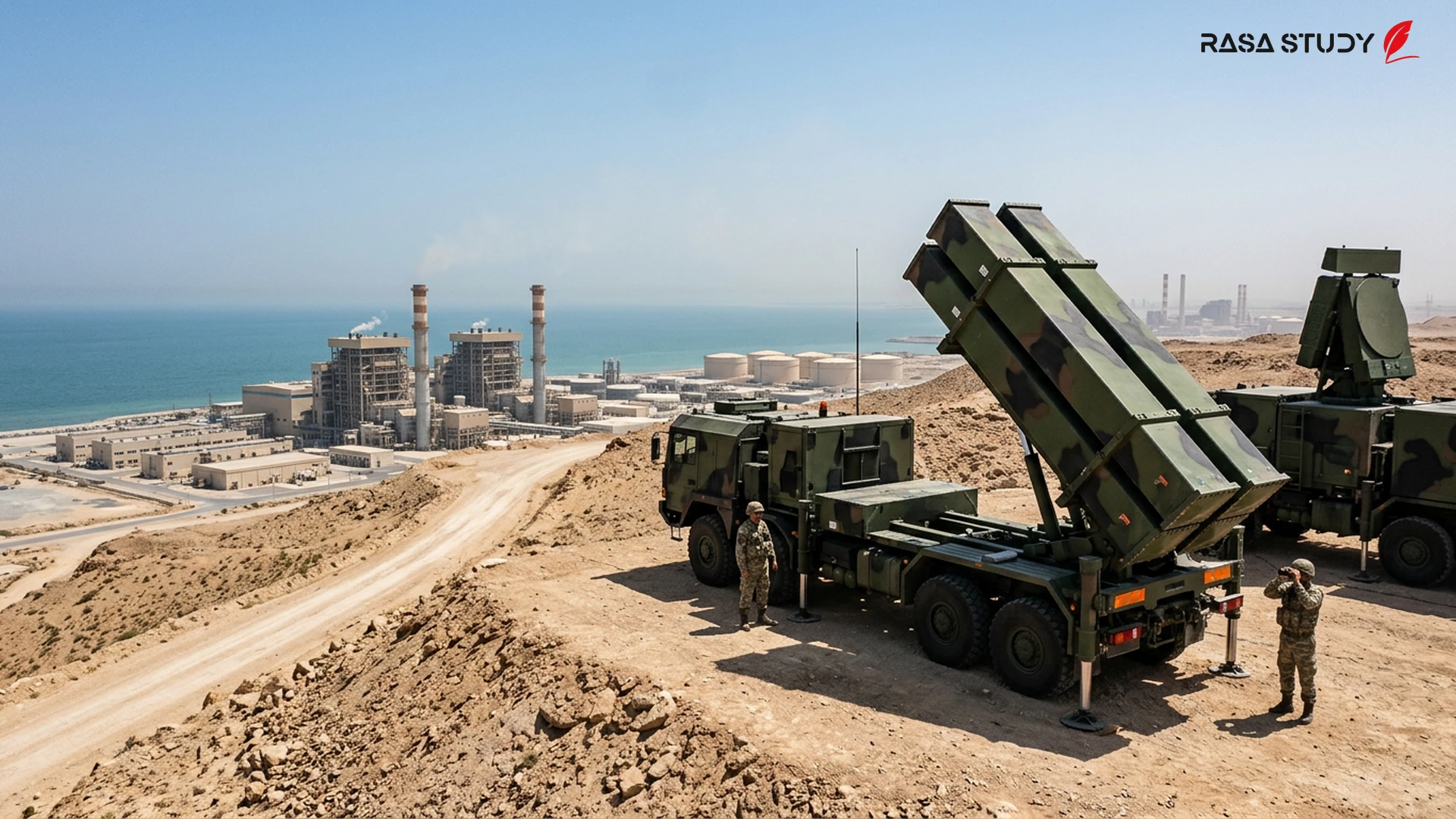
Turkey's Steel Dome: From Air Defense to Anti-Drone At the "SAHA Expo" defense exhibition held in Istanbul in May 2026, Kuwait, Saudi Arabia, and the United Arab Emirates signed major contracts to purchase Turkish defense systems [4]. Systems such as "KORKUT" for countering kamikaze drones, "HİSAR" and "SİPER" missiles, as well as laser weapons like "Alka," have received significant attention [5]. According to European media, unlike Western suppliers, Turkey not only sells weapons but is also ready for technology transfer and joint production on the soil of Gulf countries, which has doubled Ankara's attractiveness [4].
Economic Leap and the $11 Billion Horizon Statistics show a stunning leap in Turkey's hard power. While the country's defense exports were only $1.67 billion in 2016, this figure is predicted to cross the $11 billion mark by the end of 2026 [1][2]. This 550% growth in a decade has transformed Turkey from an arms importer into one of the world's top five exporters in specific fields. Analysts believe the "Iran War" was the catalyst that solidified Turkey's strategic position as an independent middle power capable of providing regional security without complex political interference [2][4].
Turkish air defense systems now constitute a large part of the defense strategy of Persian Gulf countries.
linkSources
- Avrupa basını: İran savaşı Türkiye’yi Körfez’in en değerli savunma ortağı haline getirdi — Ensonhaber (2026-06-27)
- Why the Iran War Made Turkey the Gulf’s Most Valuable Defense Partner — Modern Diplomacy (2026-06-25)
- La guerra contra Irán altera el equilibrio militar en el Golfo — El Pais (2026-06-27)
- War with Iran has skyrocketed Turkey - The most valuable defense partner of the Gulf — BankingNews.gr (2026-06-26)
- After Iran attacks, Turkish industry seeing increased Gulf interest in air defense platforms — Breaking Defense (2026-05-27)