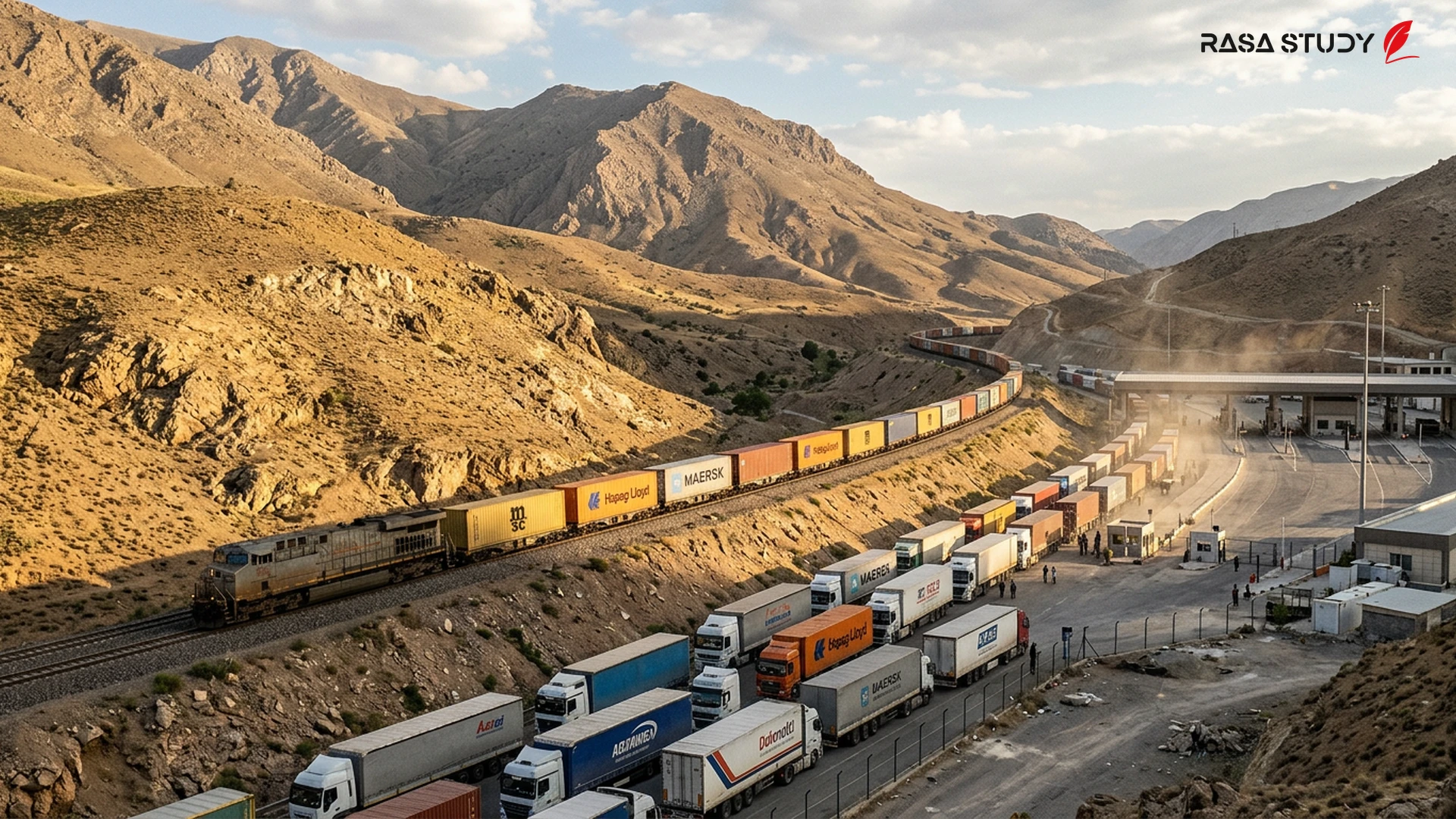
Following recent diplomatic meetings in Tehran, Iran and Turkey have set a $30 billion trade target and introduced 200 new investment projects, signaling their resolve to strengthen economic cooperation in the post-war era and address energy challenges.
Economic Diplomacy in the Shadow of Regional Developments On July 3, 2026, Cevdet Yılmaz, the Vice President of Turkey, met with Iranian President Masoud Pezeshkian in Tehran to emphasize the necessity of strengthening economic ties between the two nations. This meeting, occurring during a sensitive regional climate following recent tensions, demonstrates the political will of both sides to transform neighborly relations into a sustainable strategic partnership [1]. During the session, Yılmaz stated that regional security and stability depend on close cooperation between Tehran and Ankara, and that any strengthening of economic relations could prevent extra-regional interference.
$30 Billion Target and New Investment Opportunities One of the primary focuses of recent discussions is achieving the $30 billion trade ceiling previously targeted by the presidents of both countries. Samad Hassanzadeh, President of the Iran Chamber of Commerce, Industries, Mines, and Agriculture (ICCIMA), announced during meetings with Turkish economic officials in Istanbul and Tehran that the actual volume of trade, including informal and digital exchanges, has already surpassed $30 billion, but the goal is for official trade to reach this level [2]. In this regard, the Iran Chamber of Commerce has presented over 200 investment opportunities in sectors such as petrochemicals, mining, modern agriculture, and artificial intelligence to the Foreign Economic Relations Board of Turkey (DEIK) [5].
Energy and Banking Challenges and Opportunities July 2026 is a critical time for energy relations between the two countries, as the 25-year gas export contract from Iran to Turkey expires this month. Despite Ankara's need for Iranian gas to ensure energy security in its eastern regions, challenges arising from international sanctions and new banking agreements (including the Halkbank case) have complicated financial payments [4]. However, negotiations for the renewal of this contract and the creation of new payment mechanisms are underway to ensure the flow of energy between the two countries remains uninterrupted.
Turkey's Role in Iran's Post-War Reconstruction Turkish officials and private sector actors, including the Independent Industrialists and Businessmen Association (MUSIAD), have expressed full readiness to participate in the reconstruction of infrastructure and production units damaged during recent conflicts in Iran [3]. The modernization of border crossings and the reactivation of transit corridors, such as the Islamabad-Tehran-Istanbul (ITI) railway line, are other priorities that could solidify the position of both countries as logistics hubs between East and West [2]. These collaborations will not only benefit both nations but also guarantee lasting peace and prosperity throughout the West Asian region.
Joint meeting of Iranian and Turkish economic delegations in Tehran, July 2026
linkSources
- Türkiye-İran ekonomik işbirliğinde yeni dönem — Tasnim News (2026-07-03)
- Iran Chamber presents 200 investment opportunities to Turkey's DEIK — Tehran Times (2026-07-03)
- اعلام آمادگی ترکیه برای مشارکت در بازسازی و توسعه اقتصادی ایران — ISNA (2026-07-01)
- Turkey's expiring gas contract with Iran faces a financial hurdle — Forbes (2026-06-29)
- Trump: İran taleplerimizin neredeyse tamamını kabul etti — Bloomberg HT (2026-07-03)


