The 25-year Iran-to-Turkey gas export contract, a pillar of regional energy, expires in July 2026. Negotiations for renewal are currently underway as banking challenges and Turkey's energy diversification have shifted the landscape.
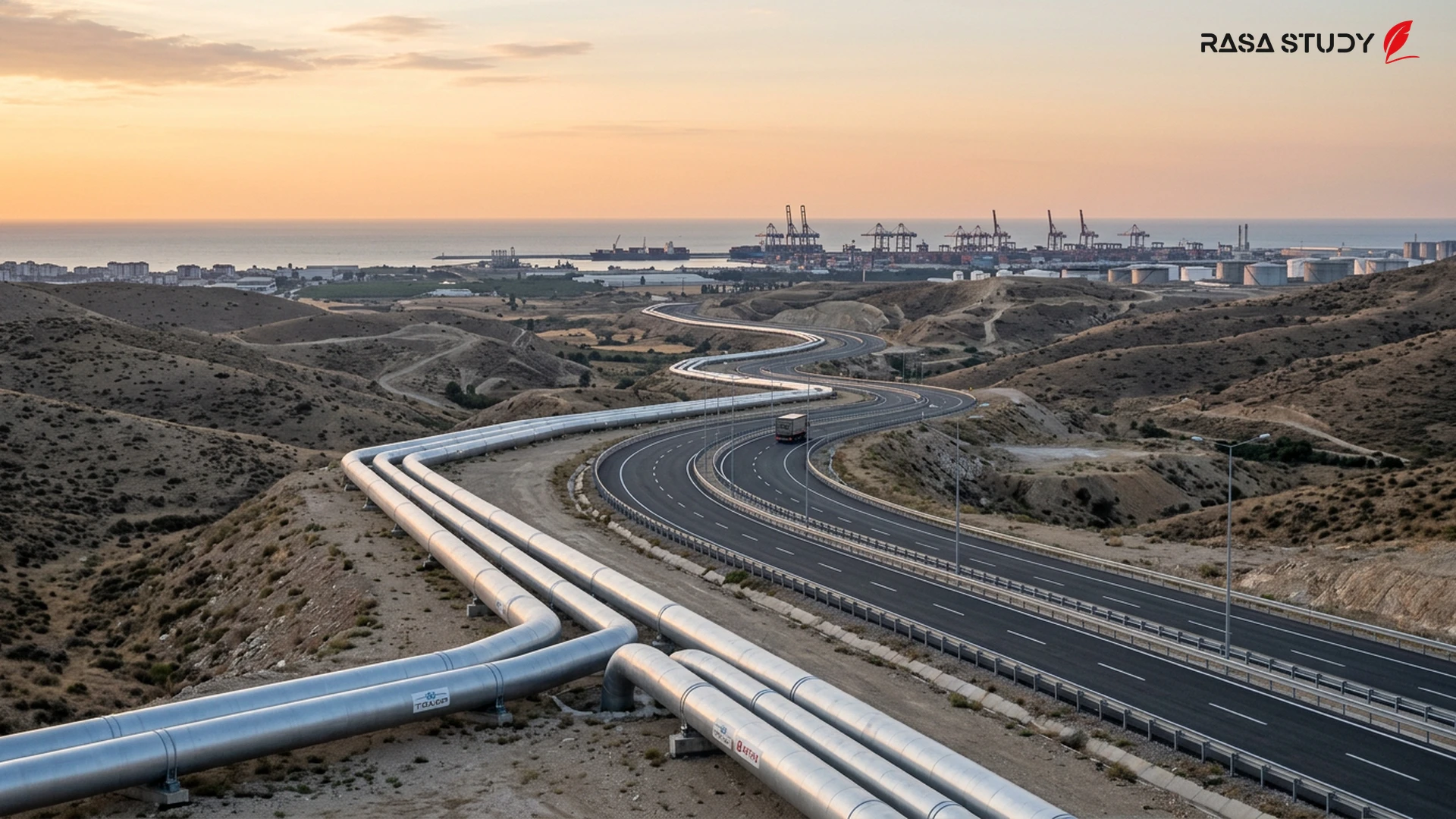
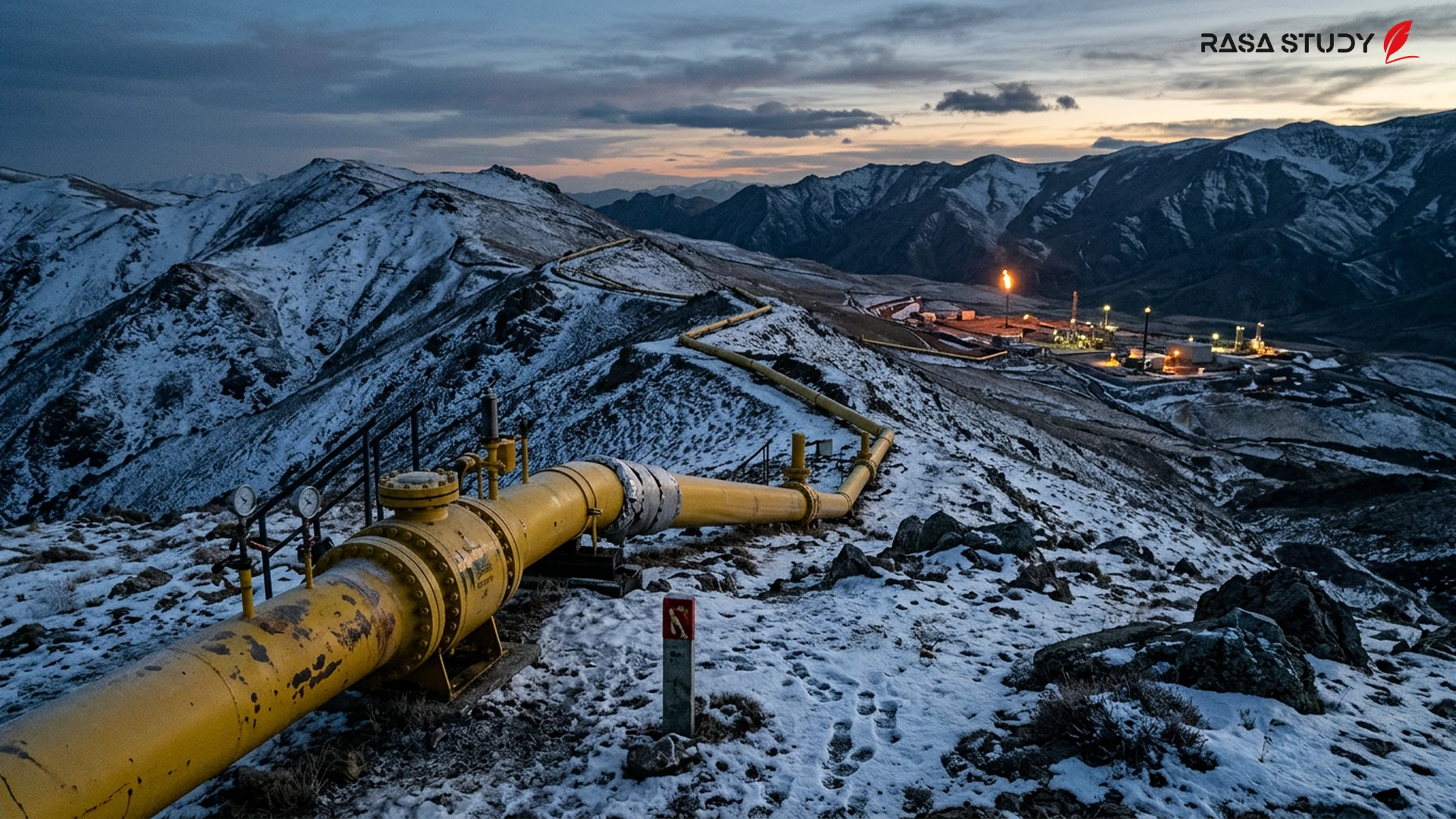
Negotiations for Renewal at Sensitive Stages As the expiration of the 25-year Iran-Turkey gas export contract in July 2026 approaches, senior energy officials from both countries have begun intensive consultations to renew this strategic agreement. Saeed Tavakoli, CEO of the National Iranian Gas Company, confirmed in June 2026 that preliminary and advanced negotiations between Tehran and Ankara have taken place, resulting in positive agreements [1]. The contract, signed in 1996 and operational since 2001, involves the annual delivery of approximately 10 billion cubic meters of gas to Turkey's state-owned company BOTAŞ via the Tabriz-Ankara pipeline.
Financial Challenges and the Sanctions Barrier Unlike previous decades where the main challenges were gas volumes or technical pipeline issues, the biggest obstacle to renewal is now the financial and banking infrastructure. Analyses published in June 2026 show that the activation of the snapback mechanism in the JCPOA agreement in late 2025 and the return of United Nations sanctions have made financial transactions extremely difficult [2]. Furthermore, Halkbank's recent agreement with the United States Department of Justice in June 2026 has placed the Turkish state bank under strict supervision, effectively prohibiting transactions that benefit Iran. This has made Turkish banks very cautious about processing gas payments [2].
Shifting Power Balance in Turkey's Energy Market In recent years, Turkey has focused heavily on its energy source diversification strategy. While Iranian gas once seemed irreplaceable, its share has now dropped to about 13% of Turkey's total gas imports [3]. Ankara has strengthened its position at the negotiating table by signing long-term LNG contracts with companies such as ExxonMobil and Shell, as well as finalizing a 15-year agreement with Azerbaijan for the Absheron field [1]. However, Alparslan Bayraktar, Turkey's Minister of Energy, emphasized that for security of supply, especially in Eastern Anatolia, the flow of Iranian gas remains a technical and strategic necessity [3].
Infrastructural Importance for Eastern Anatolia Although Iranian gas has become "optional" for Turkey at a national level, energy infrastructure in eastern Turkey remains heavily dependent on the Iranian pipeline. Due to internal transmission network limitations from west to east, a sudden removal of Iranian gas could lead to a serious energy security crisis in Turkey's eastern provinces during the winter season [2]. Therefore, a new agreement is expected to be concluded with lower volumes and greater pricing flexibility to address Turkey's technical needs while managing risks arising from international sanctions [1][4].
Iran-Turkey negotiations to renew the gas export contract in July 2026 face financial and sanctions complexities.
linkSources
- Tehran, Ankara discussing renewal of long-term gas contract — Trend News Agency (2026-06-22)
- Turkey’s Iran Gas Deal Ends In July. The Real Test Is The Payment Rail — Forbes (2026-06-29)
- Turkey says no talks under way yet on extending Iran gas deal set to expire in July — Turkish Minute (2026-04-18)
- تمدید قرارداد گازی ایران و ترکیه قوت گرفت — Energy Press (2024-09-07)