Following the traffic crisis at shared borders, the International Transporters Association of Turkey (UND) presented a list of 12 key demands to Iranian officials in a meeting to facilitate truck movement and reduce the 28-day waiting time at the Bazargan border.
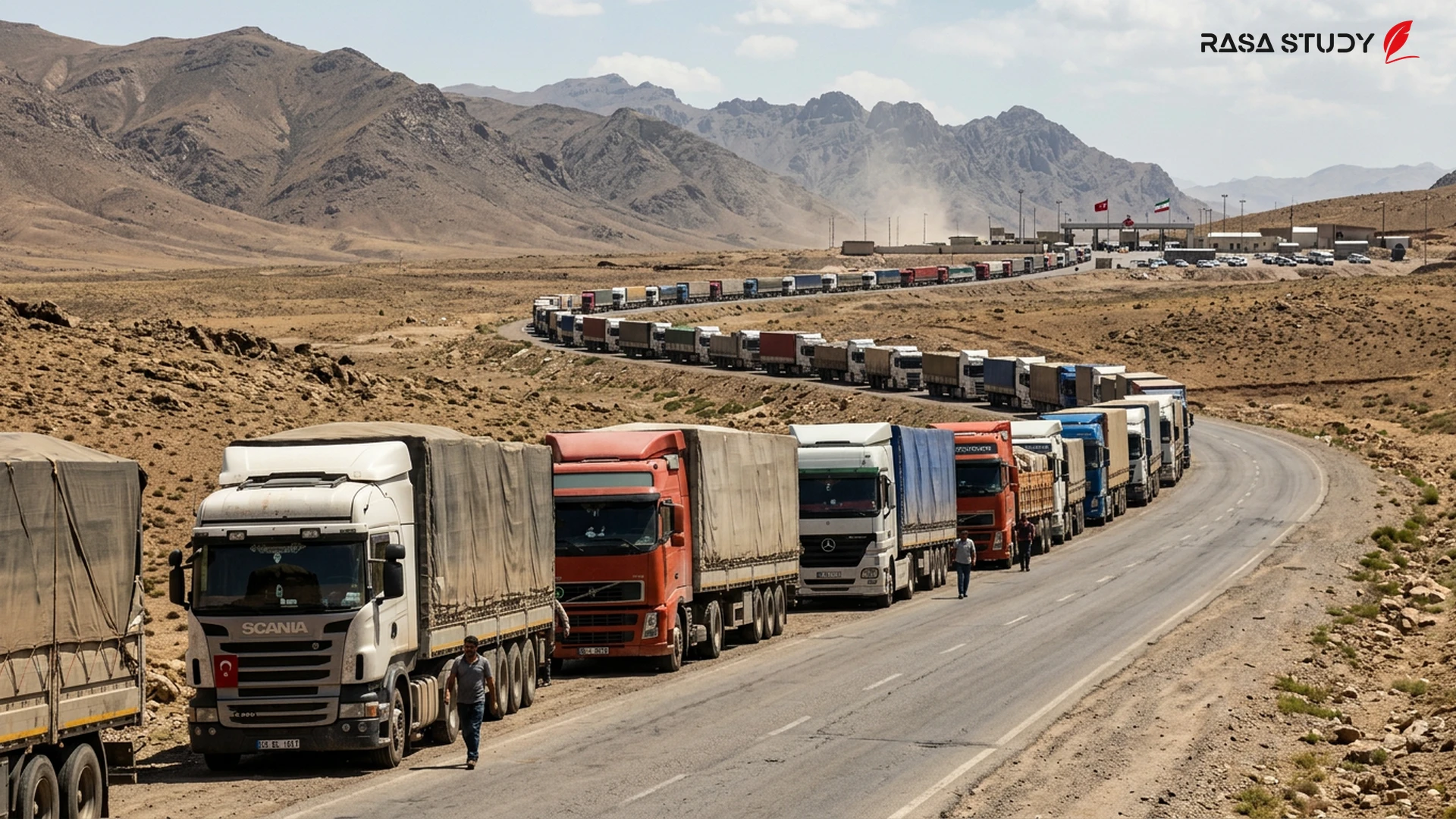
Crisis at the Bazargan Border and the Need for Urgent Reforms In recent weeks, the situation at the land borders between Iran and Turkey has reached a critical stage. Reports indicate that more than 3,700 trucks are stranded at the Gurbulak-Bazargan border, with waiting times to cross reaching 28 days under extreme summer heat [3]. In this regard, the International Transporters Association of Turkey (UND) held an emergency meeting with a high-ranking Iranian delegation, including representatives from the Ministry of Foreign Affairs, the Chamber of Commerce, and the International Transport Companies Association of Iran (ITCA), to discuss solutions to this deadlock [1].
Details of the UND 12-Point Proposal Package Ergün Bilen, Vice Chairman of UND, emphasized during the meeting that repeating paper agreements without practical implementation is no longer acceptable. The 12-point proposal package presented to the Iranian side includes the following [2][5]:
- Cancellation of Plate Prioritization: Stopping the current system that gives priority to Iranian trucks and strictly implementing the "first-in, first-out" principle.
- Removal of Extra Fees: Abolishing X-ray fees and road tolls for vehicles unloading at Bazargan.
- Fuel Price Reform: Eliminating the fuel price difference for transit vehicles and establishing equal fuel rights for Turkish trucks within Iran.
- Customs Facilitation: Removing the requirement for a Carnet de Passage (Triptik) and ending the interference of unauthorized individuals in border operations.
- Infrastructure Development: Accelerating the completion of infrastructure projects at alternative border gates by the Iranian side.
- Freedom of Loading: Allowing Turkish trucks to load from various Iranian cities to optimize return routes.
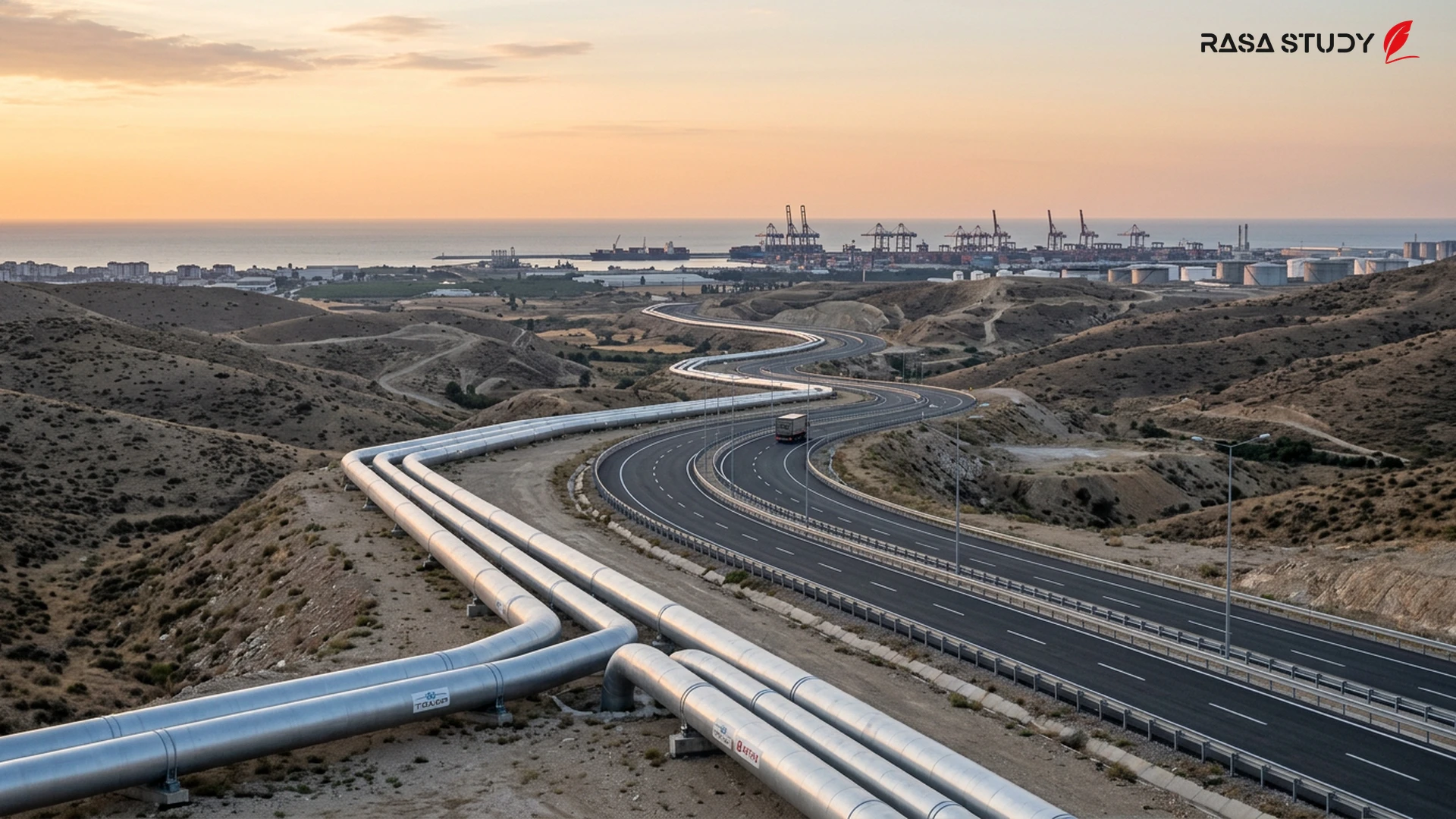
Strategic Importance of the Iranian Route Amid Regional Tensions Given recent restrictions on maritime routes and challenges related to the Strait of Hormuz, the land route between Iran and Turkey has become one of the most vital trade arteries for accessing Central Asia and the Persian Gulf countries [2]. Experts believe that to sustainably solve this problem, the daily processing capacity at the Bazargan border must increase to at least 500 trucks [3].
Future Cooperation Outlook Iranian officials welcomed the proposals during the meeting and emphasized their will to resolve the traffic bottlenecks. It was decided that technical working groups between UND and Iranian associations would be formed to monitor the implementation of these 12 points. Ergün Bilen warned that the continuation of the current situation not only damages the logistics sector but also poses a serious threat to the $30 billion trade target between the two countries [1][5].
Accumulation of trucks at the Iran-Turkey border; the wait to cross has reached more than four weeks.
linkSources
- UND, İran Ticaret ve Taşımacılık Temsilcileriyle 12 Maddelik Çözüm Paketini Paylaştı — UND (2026-06-29)
- Türkiye ile İran Arasında Lojistik Görüşmesi: UND'den Sınır Geçişleri İçin 12 Maddelik Talep — Kayseri Haber (2026-07-04)
- Thousands of trucks stranded in growing queues at Türkiye-Iran border — Türkiye Today (2026-06-29)