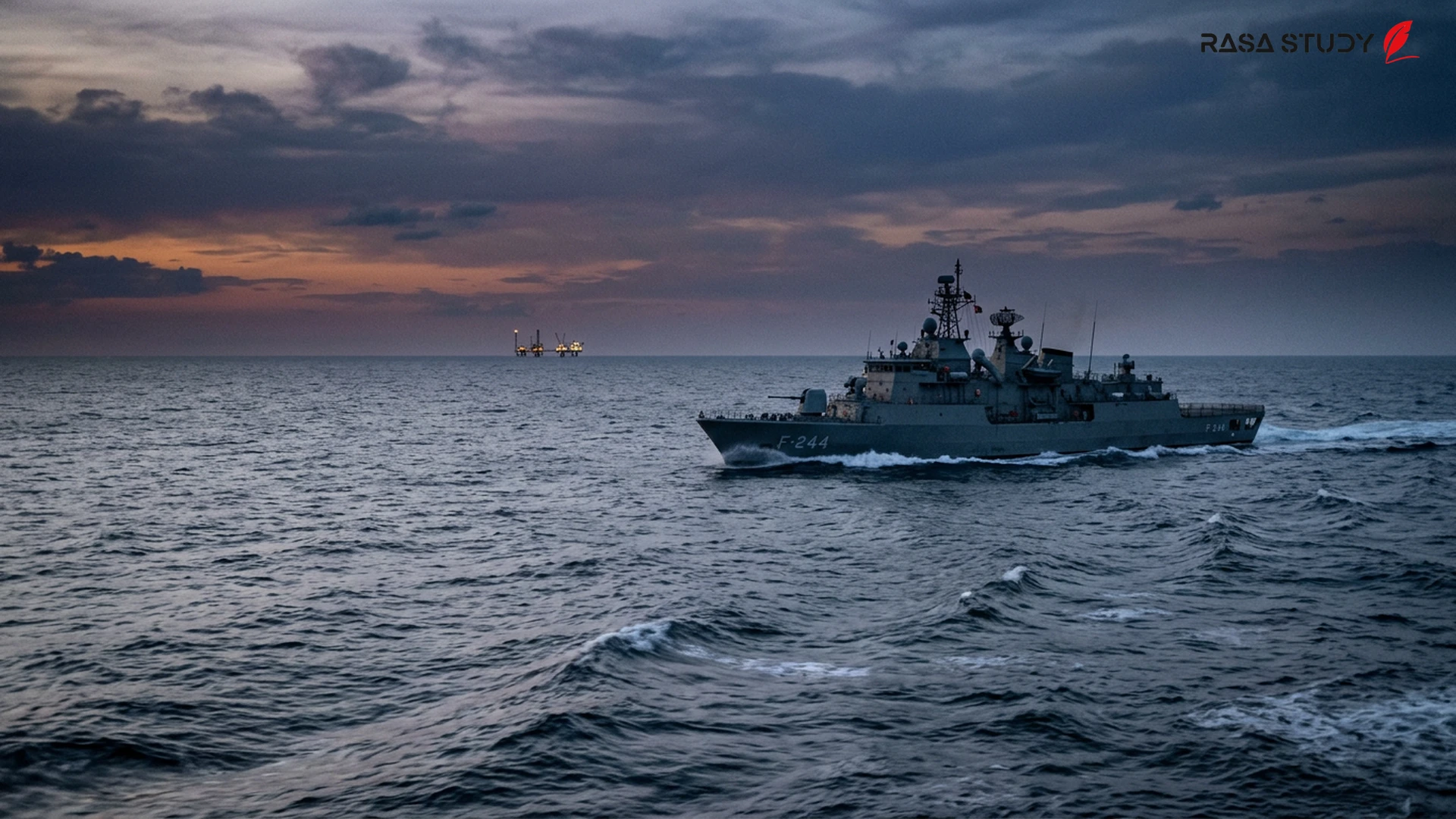
In July 2026, strategic reports indicate that the confrontation between Turkey and Israel has become the primary axis of tension in the Middle East; a situation analysts describe as the "new fault line" for the future of regional security.
The Emergence of a New Bipolarity in Regional Geopolitics According to analyses published on July 9, 2026, political observers believe that relations between Turkey and Israel have moved beyond simple diplomatic tension into a structural confrontation. The Strategic Thinking Institute (SDE), in its recent report citing Israeli analysts, emphasized that these two regional powers are now drawing new boundaries of influence that could affect Middle Eastern stability for decades to come [1]. This "fault line" casts a shadow not only over bilateral relations but also over military and economic alliances across the Mediterranean Sea and the Persian Gulf.
Analysis by the Strategic Thinking Institute (SDE) The report published by the Strategic Thinking Institute shows that Israeli analysts are closely monitoring Turkey's drone activities and naval influence. According to these sources, Turkey, relying on the "Blue Homeland" doctrine and expanding its military presence at strategic points, has directly challenged Israel's security interests [1]. This situation has prompted Tel Aviv to seek the strengthening of new defense pacts with regional countries to maintain the balance of power against Ankara. This competition reached its peak in 2026, with both sides reinforcing their defensive positions in border and maritime areas.
Competition in the Eastern Mediterranean and Energy One of the main drivers of this new fault line is energy resources in the Eastern Mediterranean. Israel, in cooperation with certain regional partners, is attempting to isolate Turkey in gas projects, while Ankara, utilizing its soft and hard power, considers any security arrangements without its presence impossible [2]. Analysts in the Jerusalem Post have noted that this conflict of interest has made any potential cooperation in the near future seem unlikely, giving way to an attritional competition [2].
Security Implications for the Middle East The shift in power dynamics between Turkey and Israel has also placed Arab countries in a difficult position. Many of these nations are now forced to choose between two non-Arab regional powers, each offering a different model of regional order [3]. This new polarization could lead to the formation of hostile power blocs, increasing the risk of proxy conflicts in flashpoints such as Syria and Libya. Ultimately, what is known today as the Turkey-Israel fault line will be the primary determinant of the Middle East's political map in the second half of the 2020s.
Analysts believe the Turkey-Israel rivalry is the central axis of Middle Eastern security developments in 2026.
linkSources
- İsrailli Yorumcu: Türkiye ile İsrail, Ortadoğu'nun Yeni Kırılma Hattını Oluşturuyor — Stratejik Düşünce Enstitüsü (2026-07-08)
- The New Geopolitical Map: Turkey and Israel's Growing Rivalry in 2026 — The Jerusalem Post (2026-07-07)
- Turkey's Strategic Shift and the Middle Eastern Power Balance — TRT World (2026-07-05)


