With the finalization of key stages of the Development Road project, a pipeline starting from southern Iraqi ports and ending in Turkey will drastically reduce global dependence on the Strait of Hormuz.
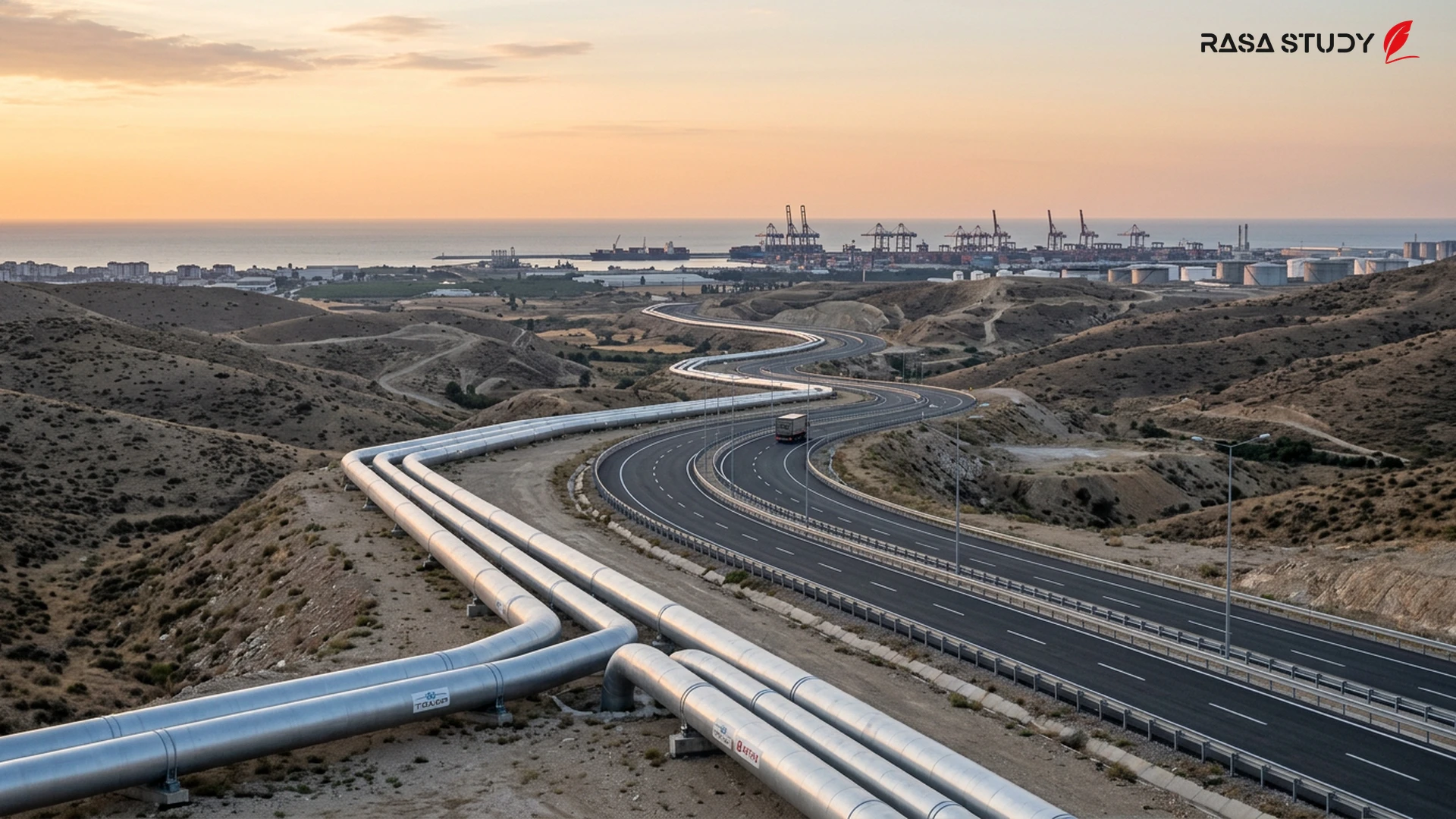
A Major Shift in Energy Transit Routes In recent days, reports published by reputable media outlets, including the Sözcü newspaper, indicate that a new pipeline project set to terminate in Turkey has challenged the strategic importance of the Strait of Hormuz [1]. This project, considered part of the grand Development Road initiative, provides an alternative route for transporting Persian Gulf oil and gas to European markets. Once operational, a significant portion of the energy flow that previously had to pass through the high-risk Strait of Hormuz will now be transferred more securely across land to the Mediterranean Sea.
Development Road: More Than Just a Pipeline This project is not limited to fuel transport; it includes an extensive network of railways and highways connecting the Port of Al-Faw in Basra to Turkey's rail and road network [2]. Experts believe this new corridor could reduce the transit time for goods and energy by up to 15 days compared to the Suez Canal sea route. In the energy sector, this pipeline has the capacity to transport millions of barrels of oil per day, connecting directly to Turkey's export terminals in Ceyhan. This move not only reduces transportation costs but also minimizes geopolitical risks arising from the potential closure of maritime routes [3].
Geopolitical Implications for the Region and the World The Strait of Hormuz has been known as the world's primary energy artery for decades, but over-reliance on this sensitive point has always created concerns for global energy security. The new project in Turkey will shift the balance of power in the region. By moving the center of gravity for energy transit northward, Turkey solidifies its position as an energy bridge between East and West [1]. This increases Ankara's political influence in international equations and encourages consumer countries in Europe to cooperate more closely with the nation.
Turkey: The New Energy Hub in the 21st Century The Turkish government is becoming a global distribution center by investing heavily in port infrastructure and pipelines. The finalization of this project in 2026 will be a turning point in the region's economic history. In addition to transit revenues, this plan will create thousands of job opportunities and develop Turkey's southern provinces [2]. As the world moves toward diversifying energy supply routes, this new pipeline is recognized as the most reliable alternative to traditional maritime paths, offering greater stability to global markets.
The Development Road project and Turkey's new pipeline transform traditional energy transfer routes in the Persian Gulf.
linkSources
- Hürmüz Boğazı'nın pabucunu dama atacak boru hattı Türkiye'de bitecek — Sözcü Gazetesi (2026-07-18)
- Turkey-Iraq Development Road: A new era for global energy security — TRT World (2026-07-19)
- The Geopolitics of the Faw-Turkey Pipeline: Bypassing the Gulf — Al-Monitor (2026-07-15)