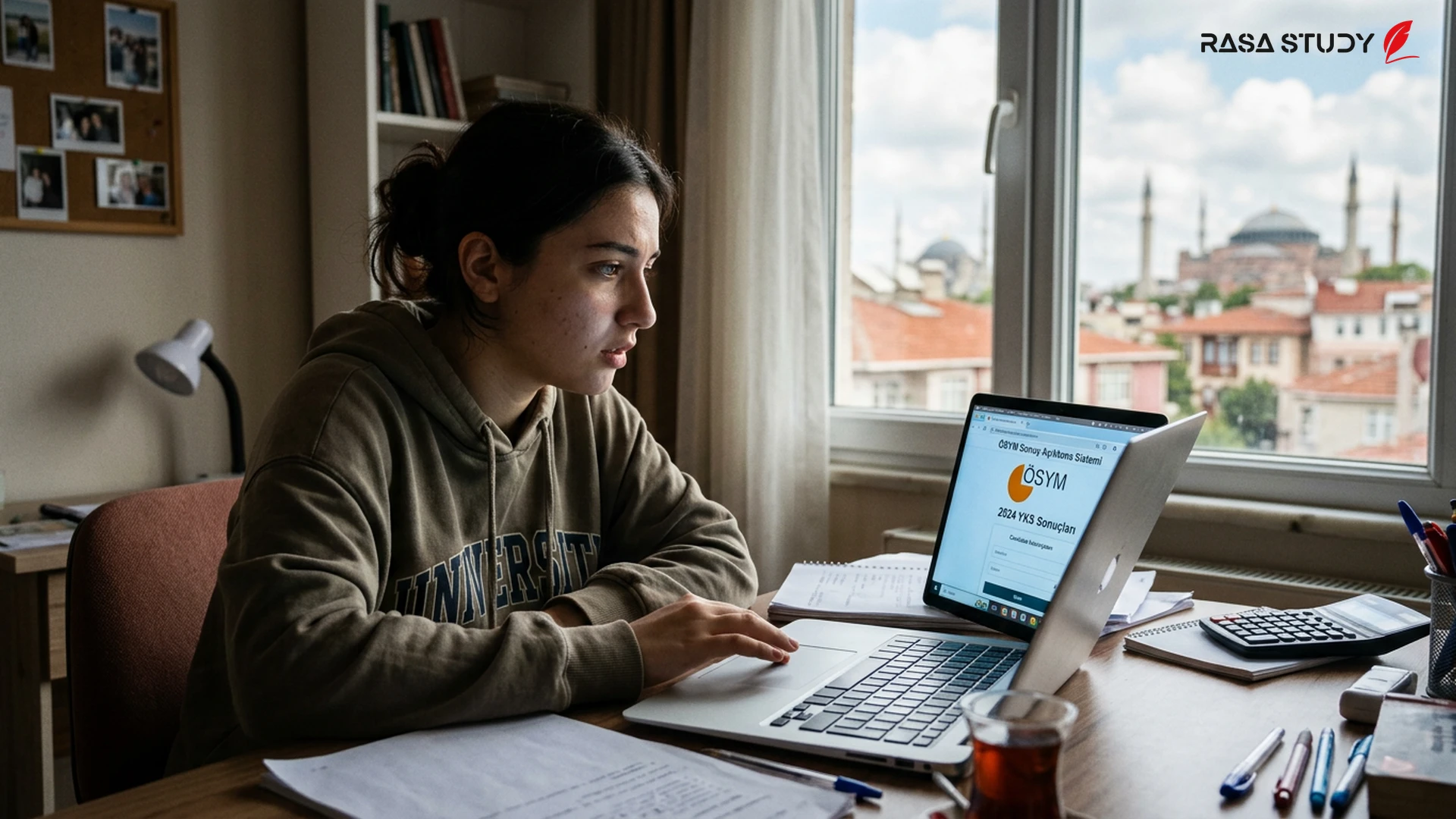
With the final approval of the student amnesty bill in the Education Commission of the Turkish Parliament, thousands of students who were unable to continue their studies for various reasons now have the opportunity to return to their university seats in the upcoming academic year.
On July 16, 2026, the Turkish Parliament took a significant step toward reintegrating expelled students into the higher education cycle. This plan, known as the "Student Amnesty," was approved following extensive discussions in the National Education, Culture, Youth, and Sports Commission of the Grand National Assembly of Turkey, paving the way for thousands to return to academic environments [1].
Details of the New Amnesty Plan and Its Scope According to this resolution, all students who were expelled from associate, bachelor's, master's, and doctoral programs for various reasons—including failure to register, prolonged absence, or exceeding the legal study time limit—can apply to return to their studies [2]. This law covers students who separated from their universities from July 1, 2022, onwards. According to the planned schedule, those accepted under this scheme can resume their education at public or private universities starting from the first semester of the 2026-2027 academic year [4].
Legal Conditions and Exceptions Despite the broad scope of this plan, Turkish legislators have set clear boundaries for eligibility. According to a report by "Serhat News," individuals expelled for serious crimes, including terrorism, intentional homicide, child sexual abuse, drug trafficking, or affiliation with groups deemed a threat to national security, are strictly prohibited from benefiting from this amnesty [1][3]. Additionally, individuals who have utilized similar student amnesty plans in previous years will not be eligible to re-register through this resolution [2].
Deadlines and Application Process for Applicants Eligible applicants are required to submit a written request to their former university within a maximum of 4 months after the official implementation of this law [3]. Special provisions have been made for students currently performing their military service, allowing them up to 2 months after the completion of their service to register their return request [4]. One of the prominent features of this plan is the possibility for students to transfer to distance learning programs (AÖF) at prestigious universities such as Ankara, Istanbul, and Ataturk, providing greater flexibility for working students [2].
Structural Reforms and Combating Academic Misconduct This 28-article bill is not limited to the return of students but also includes strict clauses to promote the integrity of scientific environments. Under the new regulations, professors or individuals involved in preparing theses, scientific articles, or research for others (academic fraud) will face permanent expulsion from their profession and judicial penalties [4]. Furthermore, this resolution allows retired professors to continue their scientific activities on a contract basis until the age of 75 to utilize their experience in the educational system [2]. Despite the approval of this plan, debates among political parties regarding the impact of frequent amnesties on educational quality remain active in Turkish news circles [1].
The approval of the student amnesty bill in the Turkish Parliament has created a wave of hope among students who had left their education.
linkSources
- Öğrenci Affı Düzenlemesi Onaylandı — Serhat News / Sondakika (2026-07-15)
- Öğrenci affı ve yükseköğretime ilişkin kanun teklifi TBMM komisyonunda kabul edildi — Gazete Oksijen (2026-07-16)
- Madde madde öğrenci affı: Kimler yararlanacak? — Hürriyet (2026-07-16)
- Student amnesty bill passes key parliamentary committee — Hürriyet Daily News (2026-07-15)