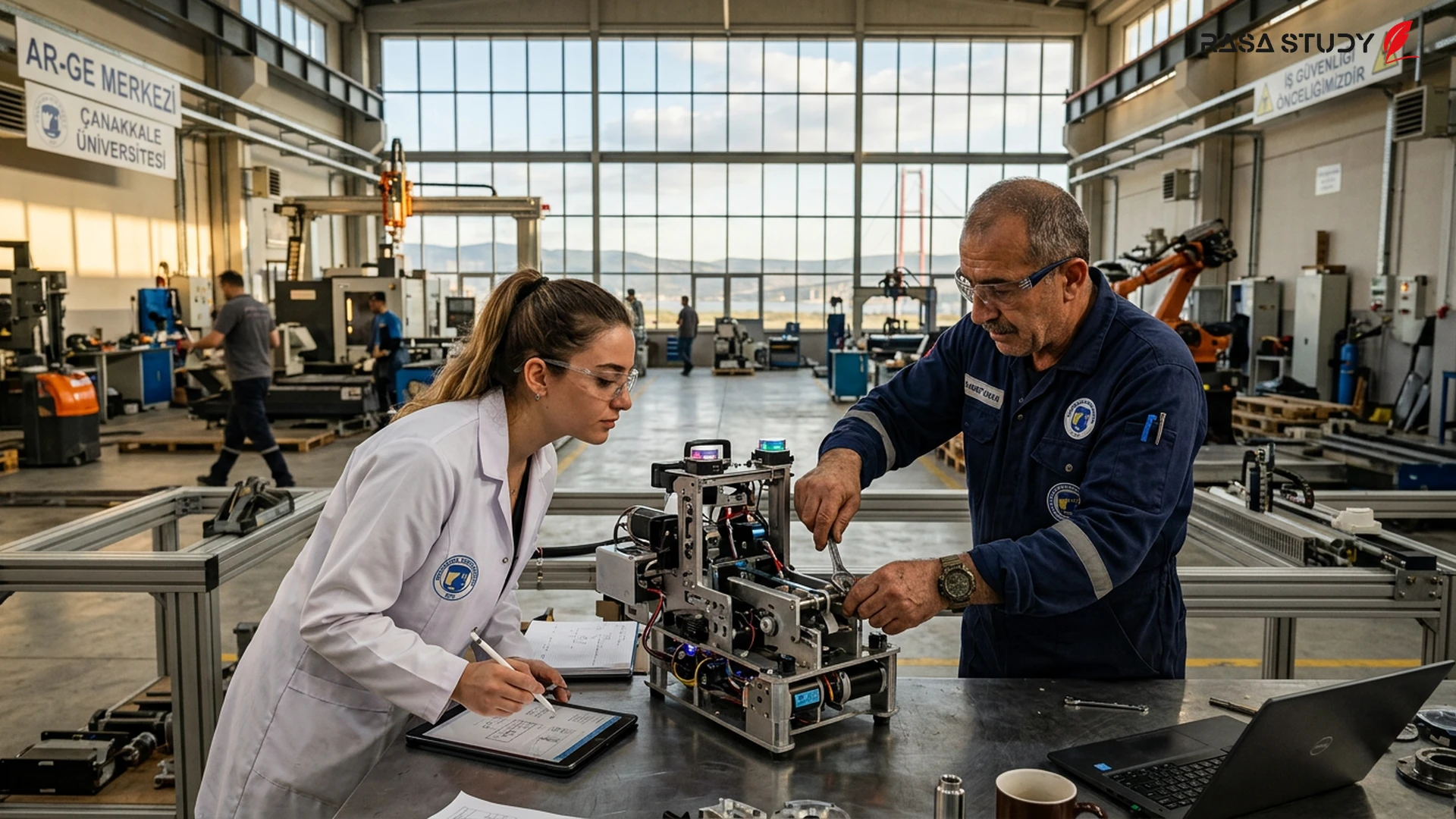
Starting in July 2026, extensive changes in the structure of academic and industrial cooperation in Turkey have begun, aiming to strengthen innovation and job creation for young graduates in the Çanakkale region and across the country.
A New Chapter in Turkey's Innovation Ecosystem
In the early days of July 2026, reports published by local media, including "Çanakkale Kalem," indicate the start of a new phase in strategic cooperation between universities and industrial sectors [1]. These changes, supported by the Council of Higher Education (YÖK), are designed to bridge the gap between theoretical knowledge and the practical needs of the labor market. According to the new regulations, universities are required to revise their curricula in direct collaboration with industry representatives to ensure graduates' skills align with modern technological requirements [2].
Who is Affected by These Changes?
This structural transformation impacts three main groups:
- Students and Graduates: Under the new guidelines, mandatory internships and joint projects with industry have become an integral part of undergraduate programs. This significantly increases students' chances of direct employment immediately after graduation [1].
- Private Sector Companies: Industries can now utilize university laboratory infrastructure for their Research and Development (R&D) projects. The Turkish Ministry of Industry and Technology has also introduced special support packages for companies investing in university projects [3].
- Faculty Members: University professors are now encouraged to direct their research projects toward solving real-world industrial challenges. Academic promotion points have also become dependent on the level of participation in applied projects [2].
Focus on Regional Development in Çanakkale
In the Çanakkale region, these collaborations focus on areas such as renewable energy, modern agriculture, and maritime technologies. Çanakkale Onsekiz Mart University, as one of the pioneers of this plan, has signed numerous memorandums of understanding with regional industrial zones to transfer technical knowledge to production lines [1]. This approach not only contributes to the region's economic growth but also reduces the migration of talent from small provinces to metropolises.
Future Outlook and Government Incentives
The Turkish government is striving to become one of the region's innovation hubs by 2030 by offering tax exemptions for R&D units located on university campuses [3]. Experts believe that the success of this "new era" depends on the continuity of interaction between the private and academic sectors to prevent the plan from becoming a mere administrative process.
The Turkish government's new plan for closer links between scientific centers and production units began in July 2026.
linkSources
- Üniversite-Sektör İş Birliğinde Yeni Dönem… Kimler Etkilenecek? — Çanakkale Kalem Gazetesi (2026-07-04)
- YÖK'ten Üniversite-Sanayi İş Birliği İçin Yeni Kararlar — Yükseköğretim Kurulu (YÖK) (2026-06-30)
- Sanayi ve Teknoloji Bakanlığı 2026 Ar-Ge Destek Paketi — T.C. Sanayi ve Teknoloji Bakanlığı (2026-07-01)