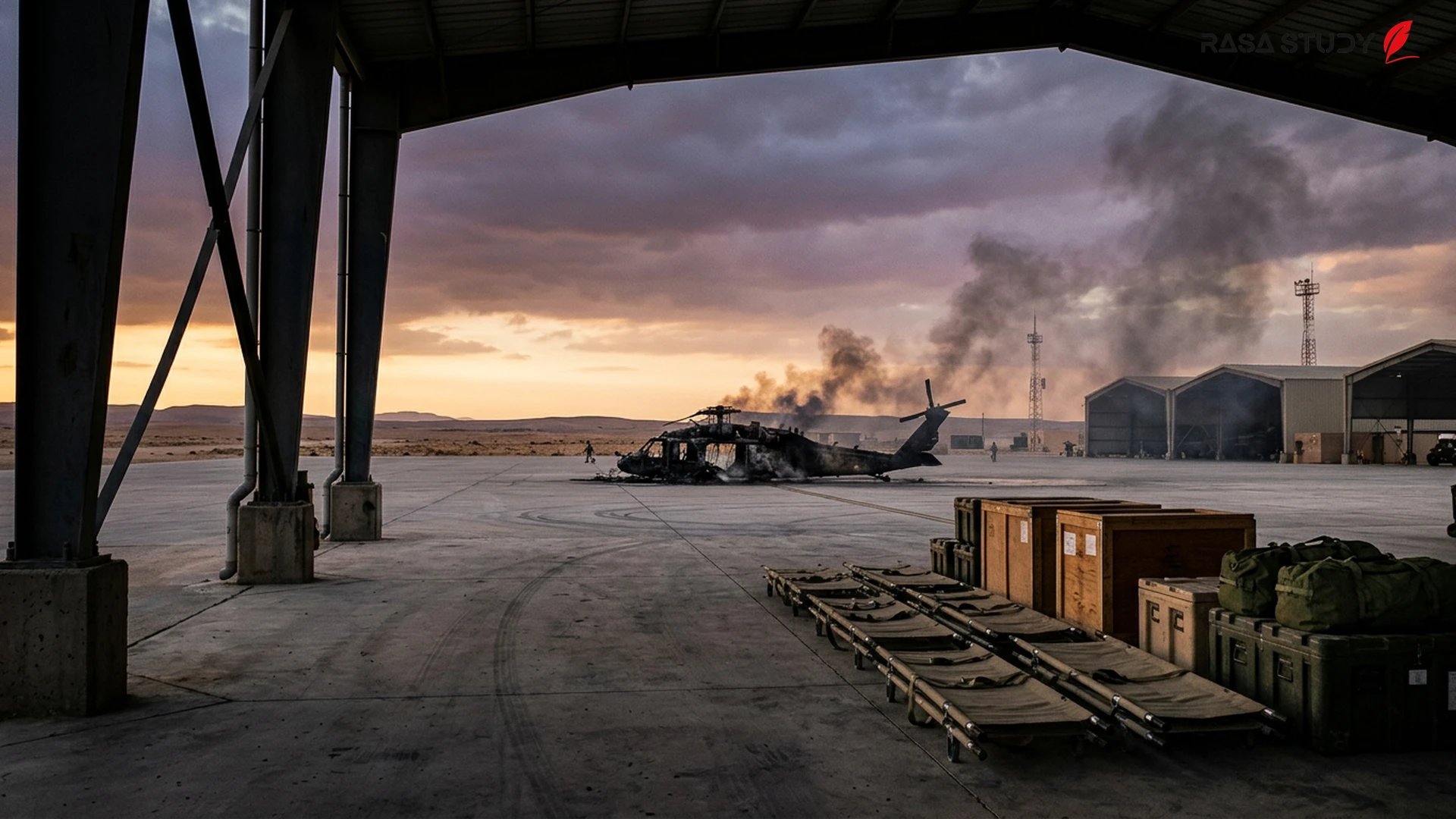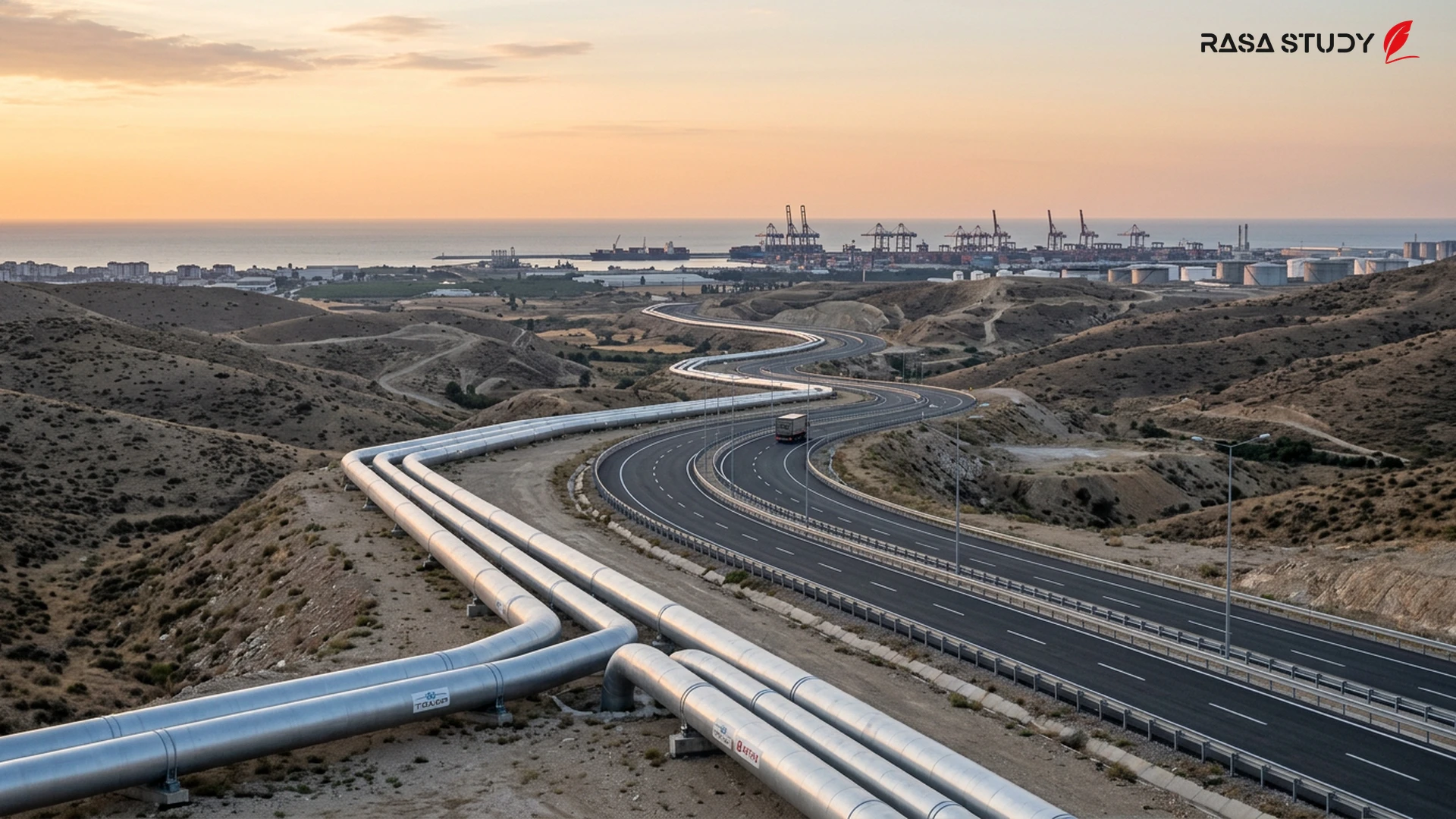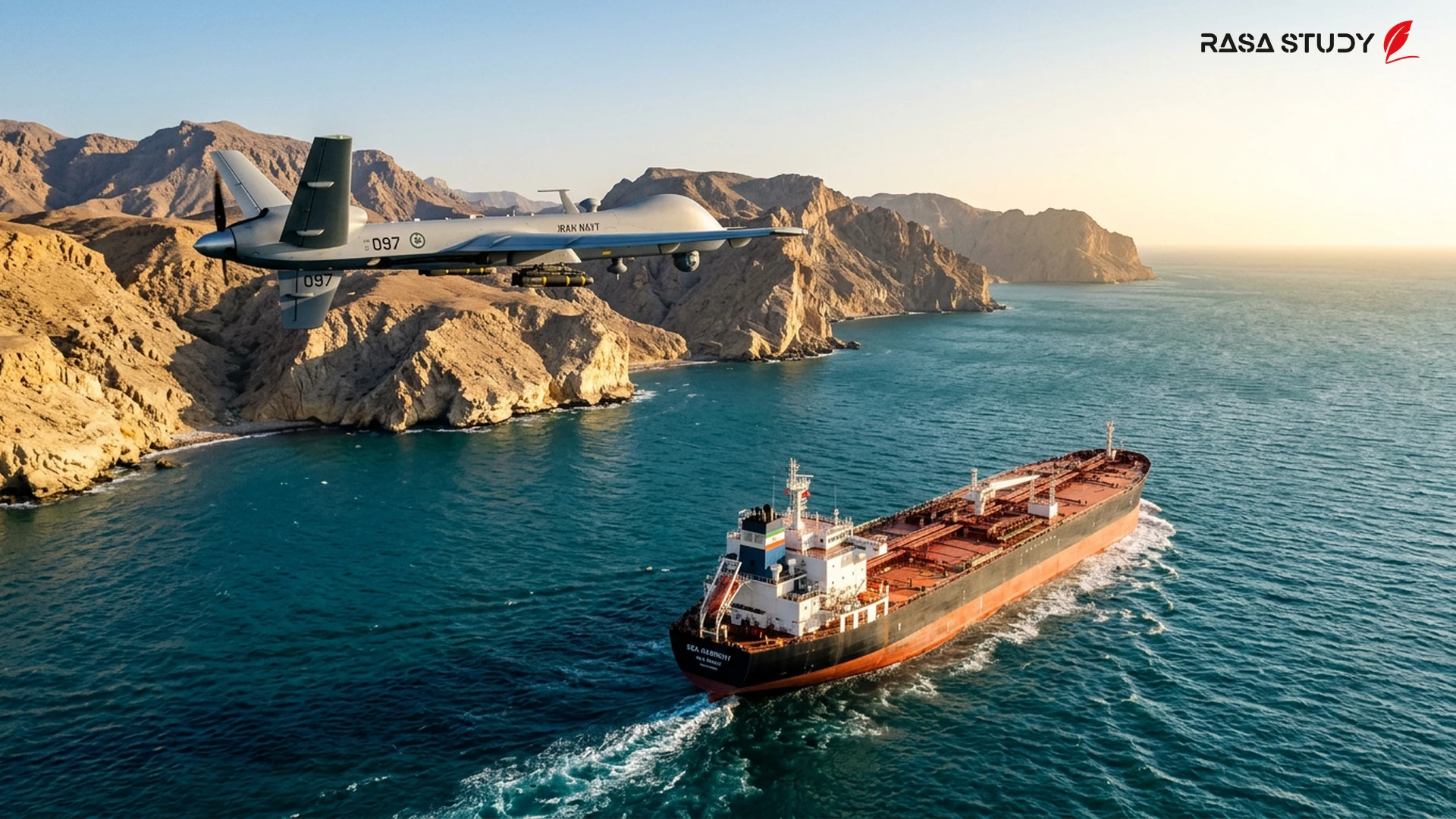
As the world grapples with the consequences of wars of attrition in July 2026, the New York Times claimed in a report that Ukraine and Iran are drawing the lines of an unusual new global order.
Convergence of Two Crises; From Kyiv to the Strait of Hormuz In a recent New York Times report published in early July 2026, analysts concluded that the world will no longer return to old models of power. The continuation of the war in Ukraine and unprecedented tensions in the Middle East, which included direct conflicts between Iran and Western powers earlier this year, have provided a platform where Middle Powers play a decisive role [1]. The report emphasizes that Ukraine and Iran are recognized not just as victims or aggressors, but as "unintended architects" of an unusual new order in which traditional alliances have given way to tactical and strategic transactions [3]. ## Ukraine; A Symbol of Resilience and Military Innovation By 2026, Ukraine has reached a point where it acts beyond a simple battlefield for NATO and Russia. According to news reports, Ukraine has now become an exporter of drone technologies and low-cost defense systems [4]. By standing against massive Russian missile attacks in recent days, the country has shown that the limits of classical military power are being challenged by battlefield innovations. The New York Times notes that Ukraine's strategic independence in arms production has caused European countries to shift their focus from absolute dependence on the United States toward bilateral cooperation with Kyiv [1]. ## Iran; A New Player in Energy Economy and Maritime Security On the other side, after moving past a period of intense conflict in early 2026, Iran is now stabilizing its position in the new world order. One of the most significant developments is the gradual acceptance of "service fees" for ships passing through the Strait of Hormuz by some European powers [2]. This move, which was previously considered a red line for Washington, indicates a new reality in energy geopolitics. By utilizing its strategic position and strengthening ties with the Eastern bloc, Iran has managed to turn traditional pressures into an opportunity to redefine the rules of maritime trade, which is one of the pillars of the "unusual order" mentioned by the New York Times [5]. ## The End of American Exceptionalism and the Rise of a Multipolar World Analysts believe that 2026 is a turning point in the decline of unipolar hegemony. The erosion of Western military and diplomatic resources on two fronts—Ukraine and Iran—has paved the way for the emergence of a multipolar power architecture [5]. In this new system, instead of long-term ideological commitments, countries enter into transient alliances based on their national interests and economic security. The New York Times warns that this new order may seem "unusual" and even dangerous to traditional great powers, but for actors like Ukraine and Iran, it is the only way to survive and consolidate influence in a changing world [1][3].
Analysts believe the crises in Ukraine and Iran in 2026 have redefined the structure of great powers for decades to come.
linkSources
- The Unlikely Architects: Ukraine, Iran, and the New Global Order — The New York Times (2026-07-03)
- European Nations Now Said to Believe Some Hormuz Fees are Inevitable — Bloomberg (2026-07-03)
- NYT: Ukrayna ve İran sıra dışı yeni bir dünya düzeni şekillendiriyor — Ukrhaber (2026-07-04)
- What do these two conflicts tell us about the limits of modern military might? — NPR / WKYU-FM (2026-07-02)
- Transition to a New World Order: A Multipolar Architecture — Eurasia Review (2026-05-11)