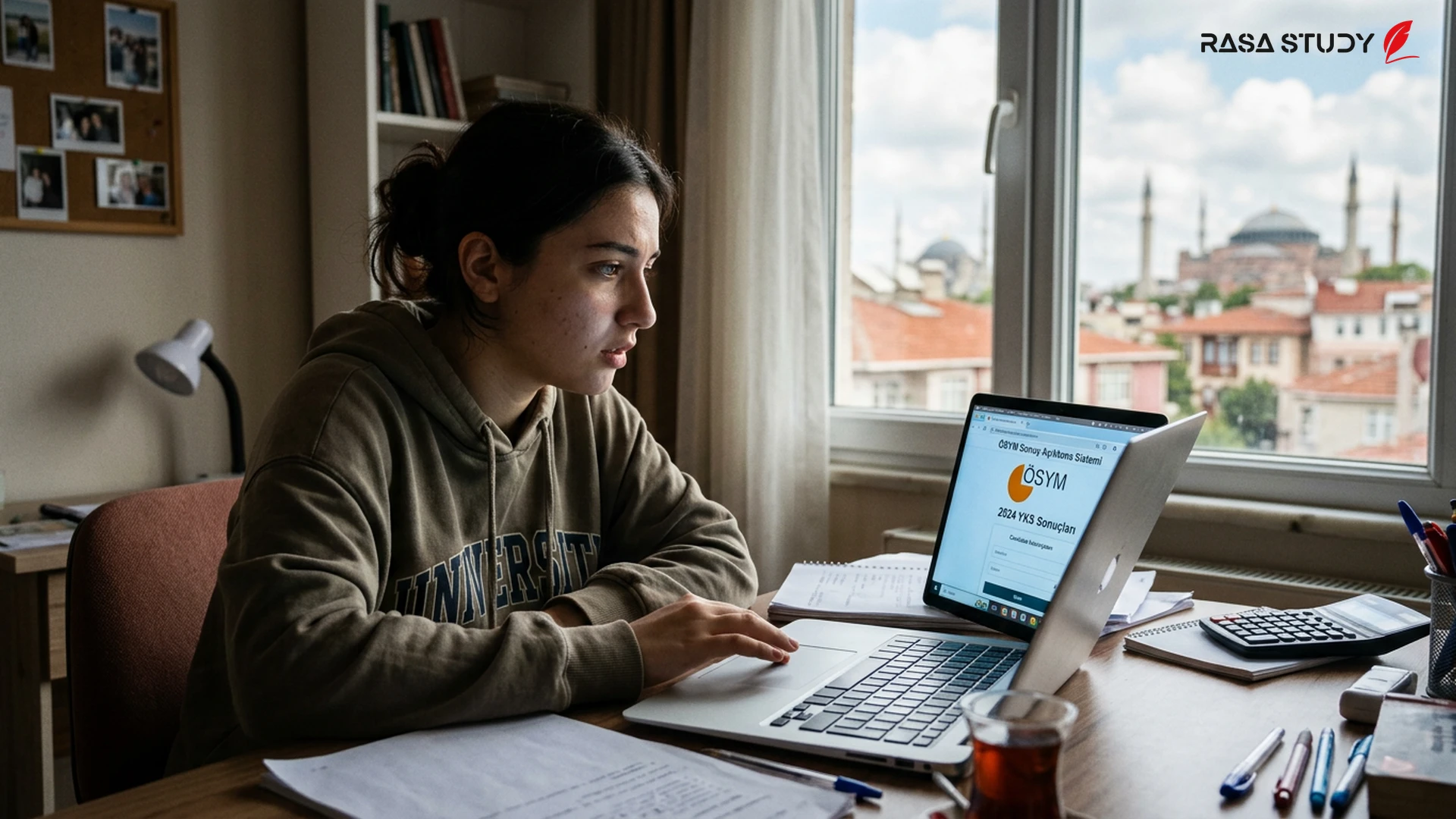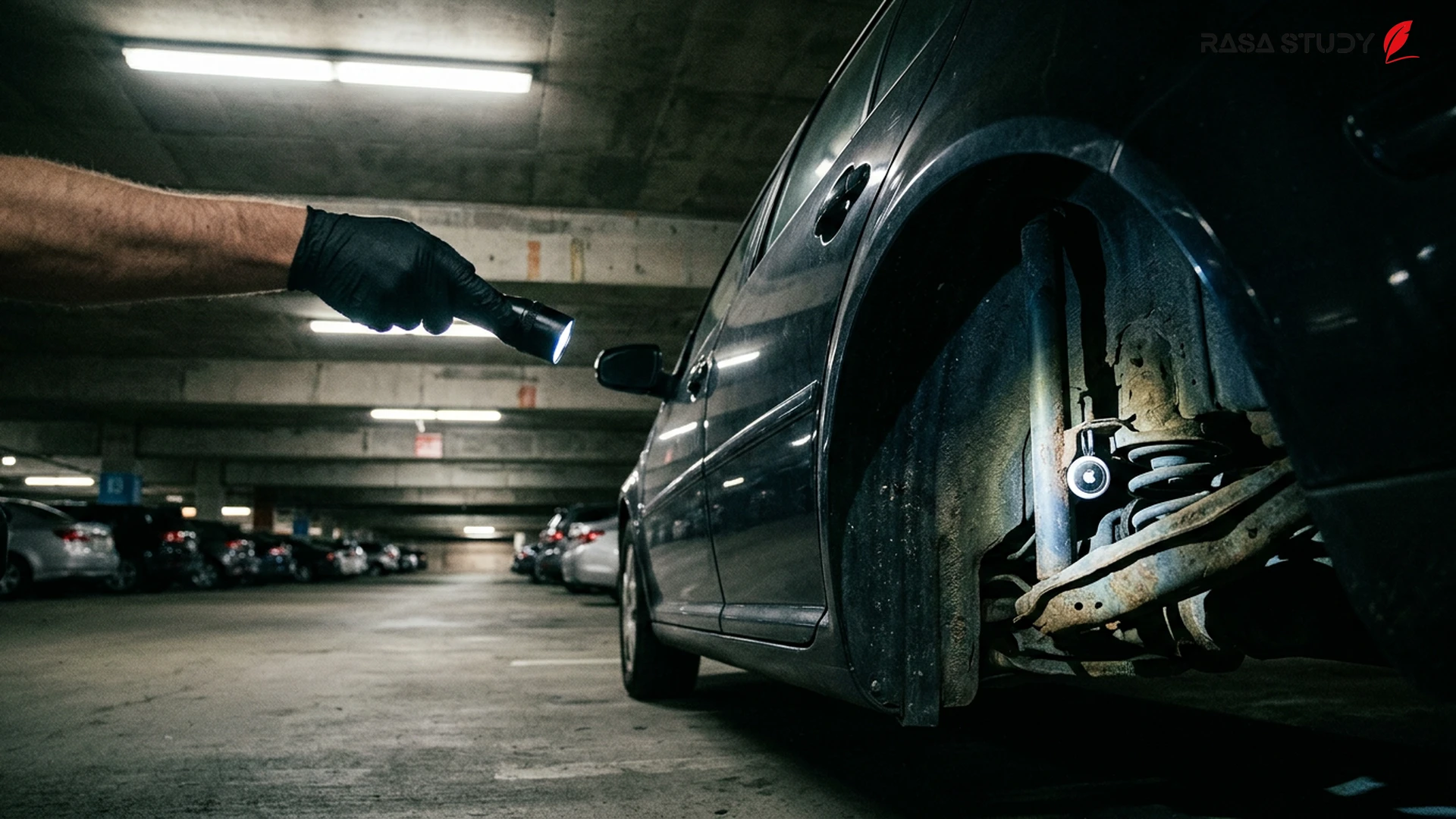
The Turkish academic world was shaken by an unprecedented scandal at Süleyman Demirel University, where a foreign student used 'AirTag' smart trackers to secretly follow professors in order to obtain exam questions.
Hidden Dimensions of a Scandal; AirTags in Professors' Cars
The Turkish academic community has recently faced one of the strangest cases of espionage and educational corruption. According to reports published on July 8, 2026, the Faculty of Medicine at Süleyman Demirel University (SDU) in the city of Isparta was the center of a major police operation. The incident began when it was revealed that a foreign student used small 'AirTag' tracking devices from Apple to track his professors in real-time [1].
By secretly placing these trackers in the professors' private vehicles, the student monitored their daily commutes and locations. The goal of this action was stated to be identifying the exact time and place of exam question transfers or pressuring professors to obtain illegal grades. This incident, described as a 'scandal upon scandal,' has pulled back the curtain on a broader corruption network within the faculty.
Systematic Corruption and Question Selling in the Medical School
Police investigations show that the issue is not limited to secret tracking. Deeper inspections revealed that for the past 3 to 4 years, exam questions at this faculty were being sold for large sums of money [2]. During this operation, the police arrested not only the aforementioned student but also a faculty member on charges of collaborating in this corruption network.
Another shocking point in this case is the discovery of a firearm at the suspect student's residence. This indicates that the threats against the security of the professors went beyond simple digital espionage and had more serious criminal dimensions. Following these revelations, the university management was forced to cancel three final exams, resulting in 245 students being required to retake the tests [1].
Political Reactions and the Need for Legal Review
This scandal quickly reached the Turkish Parliament. Hikmet Yalım Halıcı, a representative of the Republican People's Party (CHP), raised the issue on the floor of the assembly and called for an extensive investigation into how exam integrity is monitored. He emphasized that students becoming doctors through cheating and buying questions is a serious threat to the future public health of society [2].
On the other hand, this case has once again sparked debate over the misuse of tracking technologies like AirTags. Although these tools are designed to find lost objects, in recent years they have become tools for 'stalking,' which is criminalized under Turkish penal law and carries heavy penalties, including imprisonment [3].
Security of Professor Privacy in the Digital Age
The incident at Süleyman Demirel University is a wake-up call for all educational institutions. The use of low-cost, accessible tools to violate the privacy of professors demonstrates an urgent need for new security protocols in academic environments. Experts believe that universities, in addition to monitoring exam integrity, must also put digital counter-espionage solutions on their agenda to prevent the recurrence of such incidents that damage the country's scientific credibility.
The illegal use of smart trackers to follow professors has created a new security crisis in Turkish universities.
linkSources
- Üniversitede skandal üstüne skandal: Öğrenci hocayı AirTag ile takip etti! — Haber Hürriyeti (2026-07-08)
- Hoca soru satmış, öğrenci soru çalmış! — Sözcü (2026-07-08)
- Legal Definition of Stalking in Turkish Law — Bayraktar Attorneys (2026-06-25)