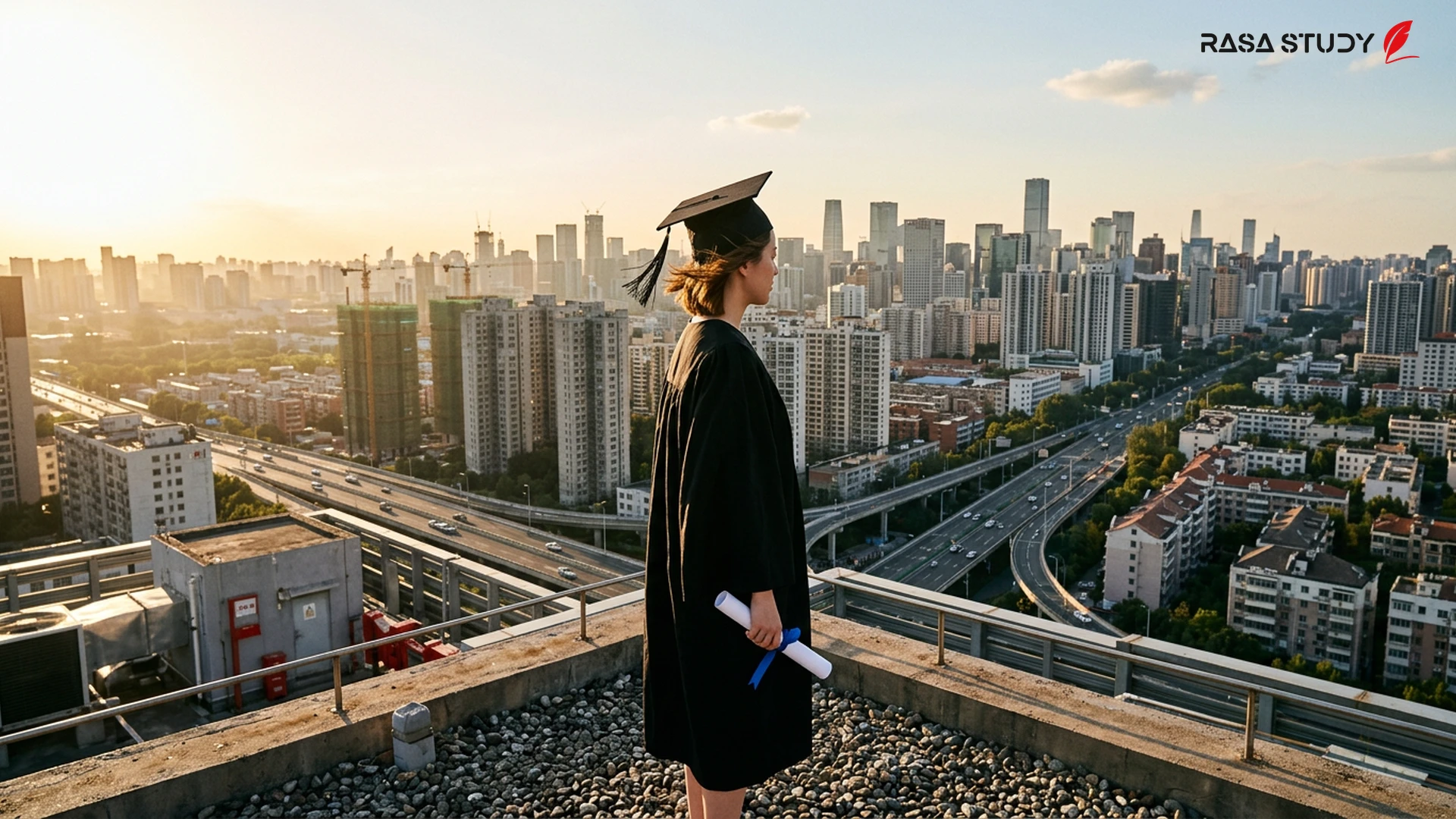
Newly released reports in July 2026 indicate that the economic value of a university degree varies significantly depending on each country's labor market structure, serving as a primary key for social mobility in some regions.
In today's world, where the labor market is rapidly moving toward specialization and artificial intelligence, the question "Is a university degree still worth it?" is more relevant than ever. According to a new Euronews report published in late June 2026, the benefits of having higher education are by no means uniform across different countries [1]. Data extracted from the Organisation for Economic Co-operation and Development (OECD) shows that in some developing and emerging economies, having a university degree can increase an individual's income by more than double compared to those with only a high school diploma.
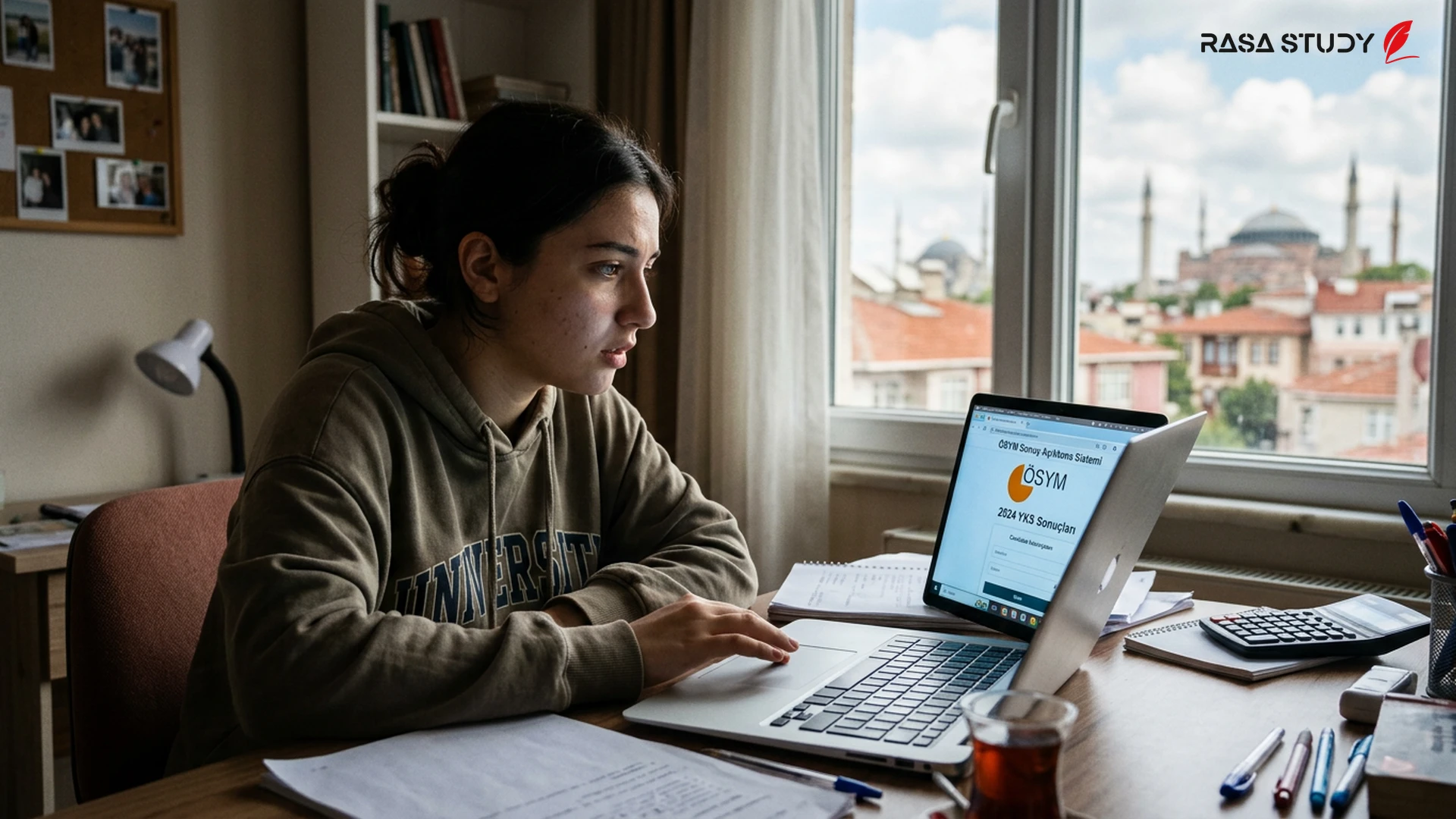
Income Gap: Where Does a Degree Pay Off the Most? Based on 2026 analyses, countries such as Brazil, Mexico, and Turkey remain at the top of the list of countries paying the highest "educational premium" to their graduates [1]. In these countries, a shortage of specialized labor has led employers to offer significantly higher salaries to attract individuals with higher education. On average, in these regions, individuals with a bachelor's degree or higher earn about 80 to 100 percent more than their peers with secondary education [2]. In contrast, in Scandinavian countries like Norway and Sweden, this income gap is much smaller, around 20 to 30 percent, due to progressive tax systems and wealth redistribution.
Employment Status and Job Security in 2026 It is not just about income; job security is another key benefit of a university degree. Reports from the first half of 2026 show that the unemployment rate among university graduates in OECD member countries is, on average, 4 percent lower than those with only a high school education [3]. In countries facing temporary economic crises, a university degree acts as a "protective shield," significantly reducing the likelihood of layoffs. However, in countries like Germany and Austria, the vocational training system is so robust that many technicians without university degrees are equal to engineers in terms of job security and income [2].
The Impact of AI on the Value of Educational Credentials One of the highlights of the 2026 reports is the changing nature of credential value in the era of rising artificial intelligence. The labor market now values the analytical and soft skills acquired during university more than the "degree paper" itself [3]. Euronews notes that in developed countries, degrees in humanities and arts, which involve creativity and human management, have seen a growth in demand, while some technical fields involving repetitive tasks have faced challenges of replacement by AI [1].
Conclusion: Is Higher Education Still a Smart Investment? Ultimately, the answer to this question is positive, but with one major condition: the choice of field and the country of operation. In 2026, higher education is no longer the only path to success, but it remains the most reliable way to achieve high living standards in most parts of the world. For individuals living in developing countries, university remains the largest elevator for social and economic mobility [1][2].
Research shows that in 2026, the income gap between university graduates and others has reached its peak in developing countries.
linkSources
- Üniversite diploması en büyük avantajı hangi ülkelerde sağlıyor? — Euronews (2026-06-28)
- Education at a Glance 2025: OECD Indicators — OECD (2025-09-15)
- The Evolving Value of Higher Education in the 2026 Labor Market — World Economic Forum (2026-05-10)