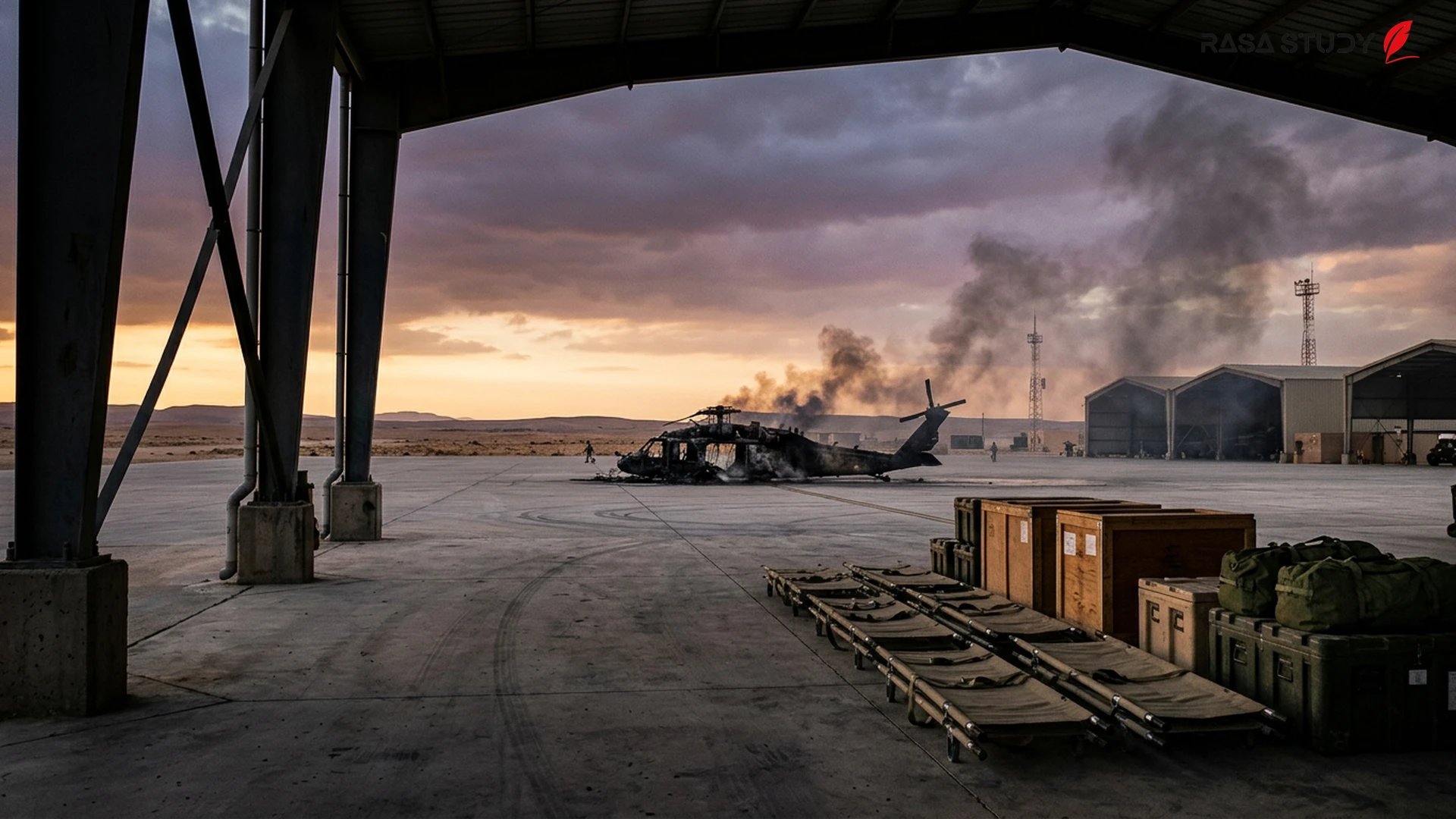
The disclosure of details regarding a new memorandum of understanding between Tehran and Washington to establish a $300 billion investment fund has sparked widespread debate about the region's economic future and the reconstruction of Iran's damaged infrastructure.
Financial Dimensions of the New Agreement: The $300 Billion Fund As Iran and the United States prepare for the official signing of a Memorandum of Understanding (MoU) on Friday, June 19, 2026, in Switzerland, reports from reputable international media reveal a controversial clause: the creation of a 'Reconstruction and Development Fund' worth $300 billion [1]. Designed as an economic incentive to end recent conflicts, this fund is intended to serve as the engine for rebuilding Iran's infrastructure.
According to a Reuters report, more than half of this amount (approximately $150 billion) has already been committed by private companies [5]. The key point is that this budget does not include direct US government money or war reparations; rather, it is a private investment vehicle involving companies from the United States, Gulf countries, Asia, and Europe [1][3].
Conflicting Reactions in Washington: Trump vs. Vance The release of this news has been met with mixed reactions within the upper echelons of power in Washington. US President Donald Trump, on the sidelines of the G7 summit, described these reports as 'fake news' and rumors, emphasizing that the United States is not investing any money in Iran [4].
However, Vice President JD Vance confirmed in media interviews that granting Iran access to such a fund as part of economic incentives—contingent on Tehran's full compliance with its obligations—is one of the options on the table [2]. Vance clarified that if Iran changes its international behavior, the global community will also transform its economic engagement with the country, but stressed that 'not a single cent of American taxpayer money' will be given directly to Iran [4].
Executive Conditions and Investment Areas Iran's access to these massive financial resources is conditional on the strict implementation of the memorandum's provisions. These conditions include a complete cessation of military operations on all fronts, the full reopening of the Strait of Hormuz within 30 days, and a commitment to not produce nuclear weapons [1][5].
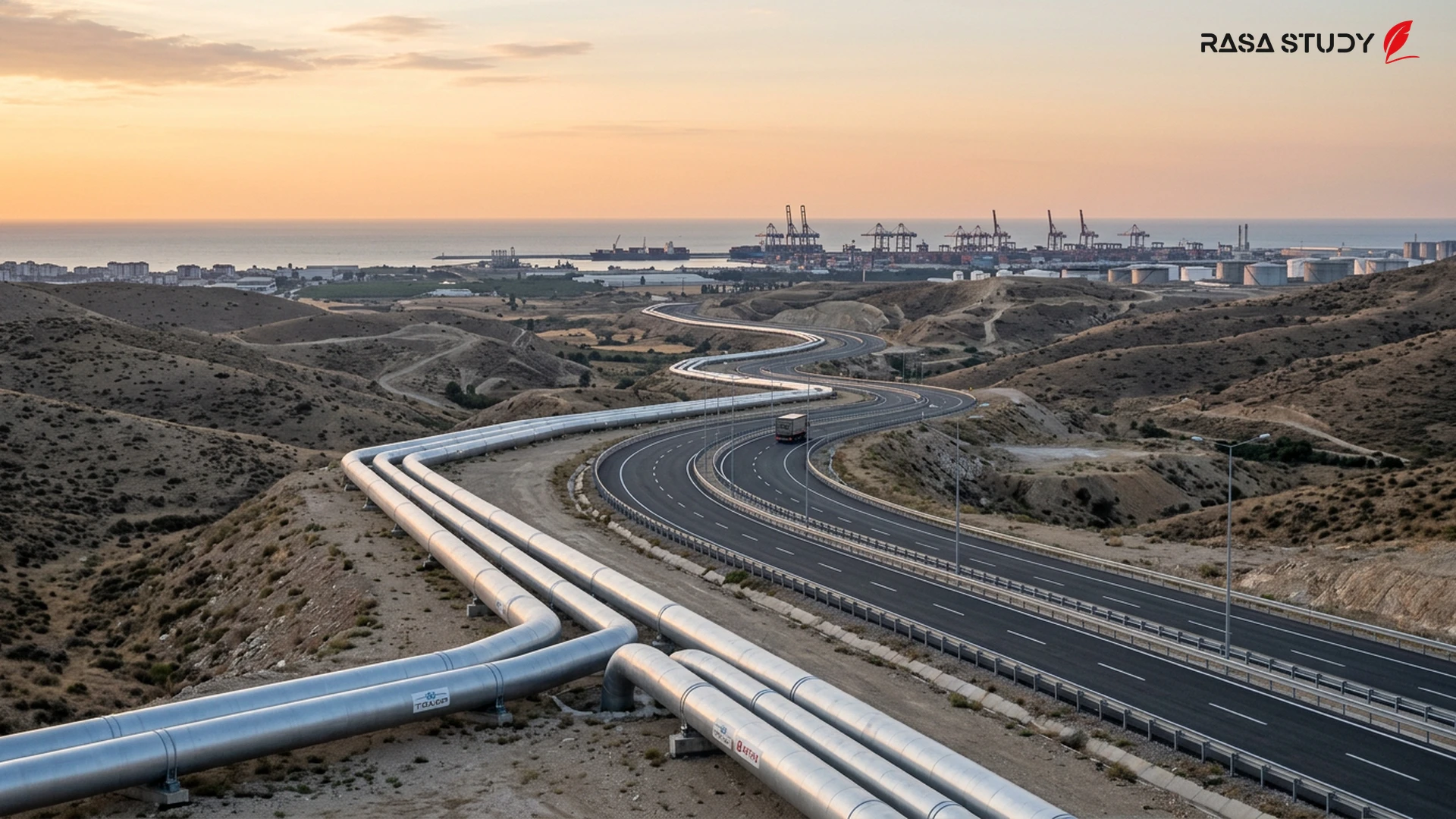
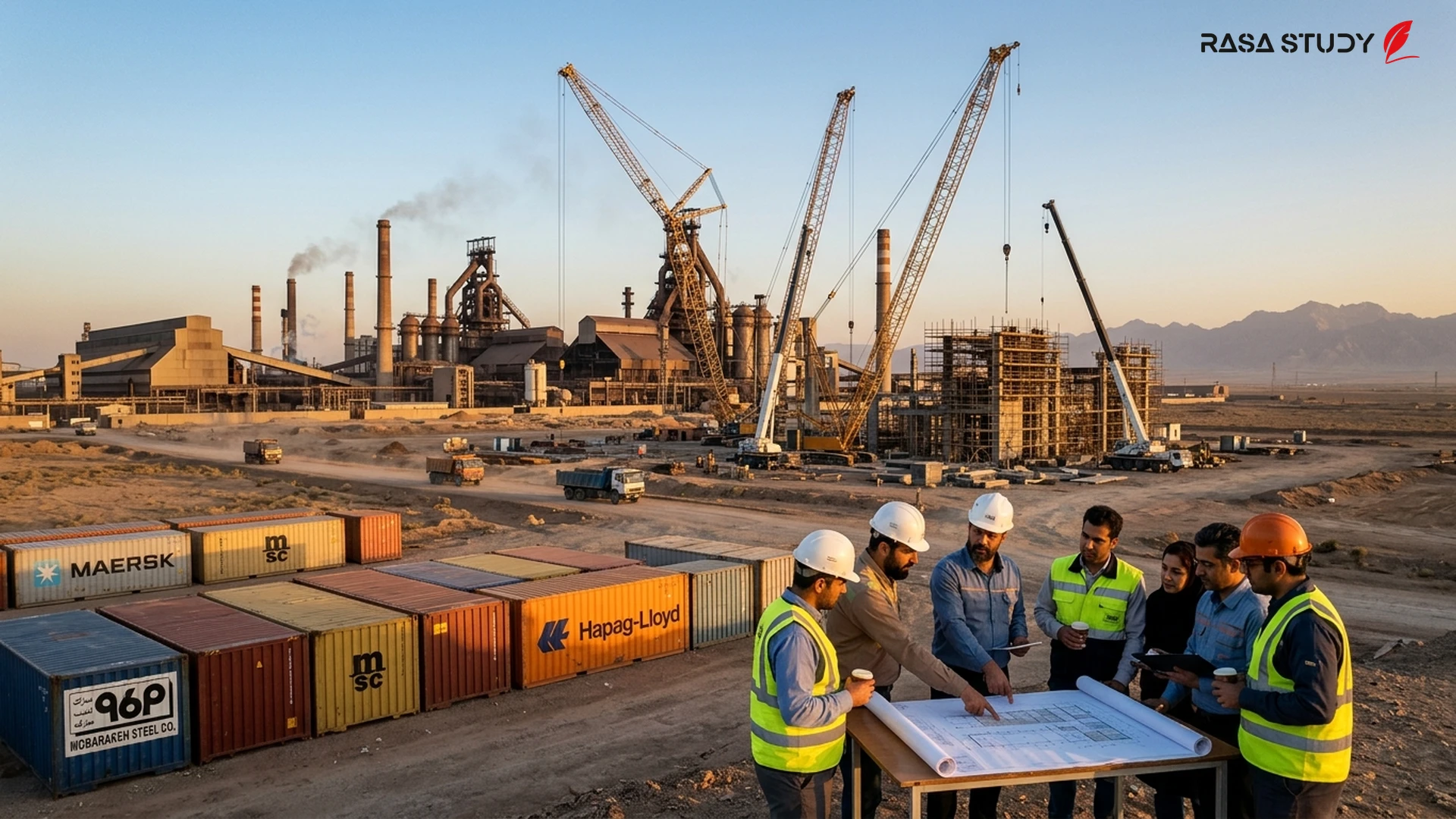
Informed sources have stated that the priorities of this $300 billion fund include the reconstruction of large industrial complexes such as Mobarakeh Steel, refineries, airports, and the development of energy and transportation infrastructure [3]. It is also reported that this financial path is completely separate from the process of releasing frozen Iranian state assets (estimated at about $24 billion) and will function as a distinct mechanism [5].
Economic Outlook and Challenges Ahead Economic analysts believe this fund could be the largest foreign investment project in modern Iranian history. However, critics in Washington worry that Iran might use these resources to rebuild its military capabilities [4]. Conversely, supporters of the agreement believe that linking the Iranian economy to large-scale international investments is the best guarantee for lasting stability in the region and preventing a return to conflict [1]. With the final agreement expected to be signed on Friday, more precise details regarding the management of this fund and the timeline for injecting liquidity into infrastructure projects are anticipated to be released.
Reports suggest the creation of a $300 billion fund for rebuilding Iran's infrastructure following the new agreement.
linkSources
- Iran deal includes $300 billion fund, more than half of which already committed — Reuters (2026-06-17)
- Is Iran Getting $300 Billion In U.S. Peace Deal? — Forbes (2026-06-16)
- Trump yalanladı, Başkan Yardımcısı doğruladı: İran ABD’den 300 milyar dolar fon alacak — Forbes Türkiye (2026-06-16)
- US To Give Iran $300 Billion Reconstruction Fund? What JD Vance Said — NDTV (2026-06-17)
- رویترز: نیمی از مبلغ صندوق ۳۰۰ میلیارد دلاری توافق ایران و آمریکا تأمین شده است — Radio Zamaneh (2026-06-17)