Today, June 14, 2026, the United States and Iran are on the verge of signing a 60-day ceasefire agreement on a digital platform that could end months of military conflict and a global energy crisis.
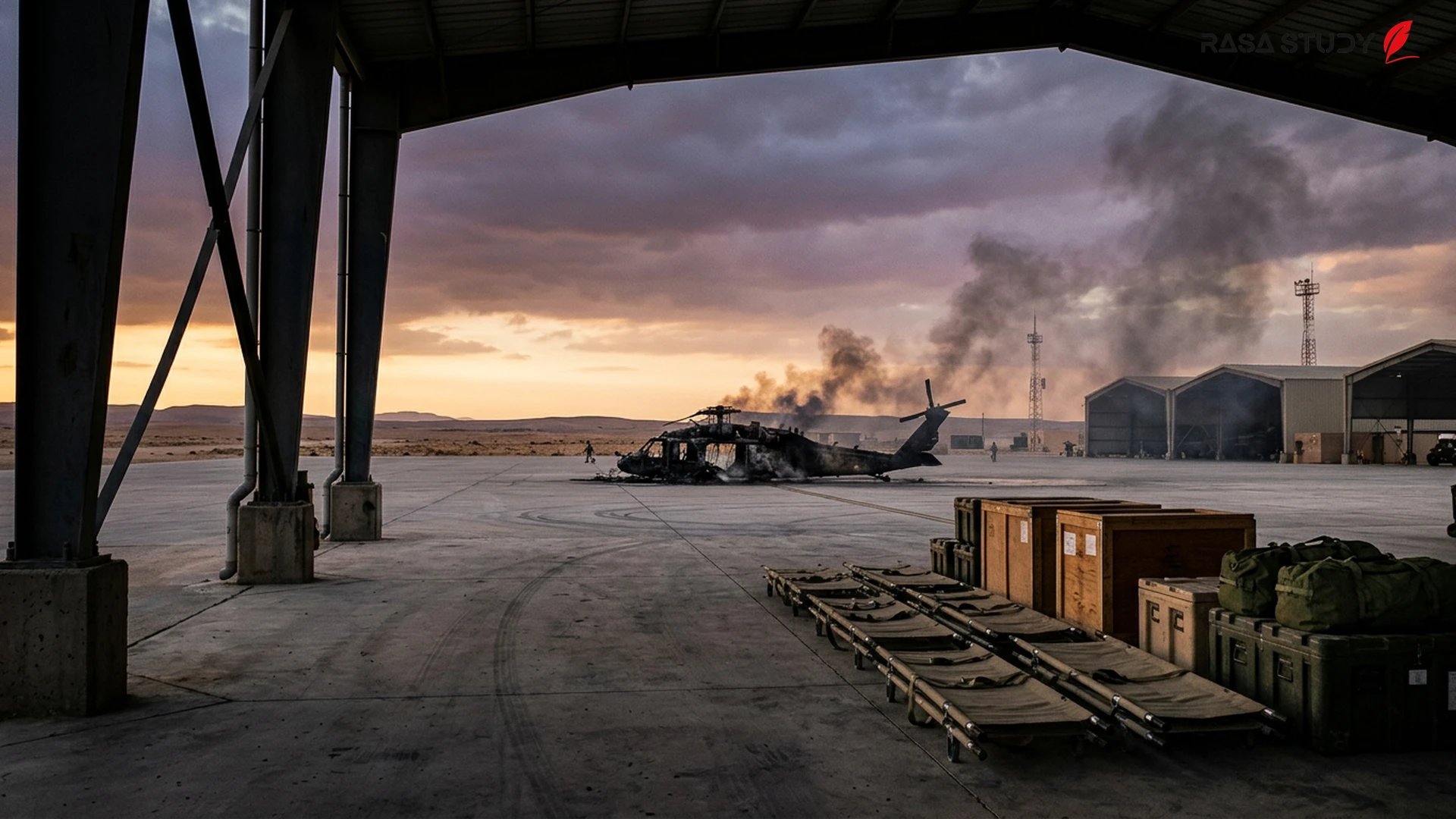
Today, Sunday, June 14, 2026, the Middle East is witnessing one of the most significant diplomatic moments in recent decades. According to published reports, the United States and Iran are preparing to digitally sign a historic Memorandum of Understanding (MOU) to establish a 60-day ceasefire [5]. This agreement, achieved through active mediation by Pakistan, aims primarily to halt a war that has engulfed the region for over 100 days and led to the closure of the Strait of Hormuz [1].
Electronic Signature; Modern Diplomacy in a Digital Context One unique aspect of this agreement is the method of signing. Shehbaz Sharif, the Prime Minister of Pakistan, announced that Islamabad has facilitated the conditions for an electronic signature between the parties [2]. This step was taken due to security conditions and the necessity for immediate action to reopen trade routes. US President Donald Trump confirmed in recent social media posts that the agreement is scheduled for signature on Sunday, and immediately following that, the Strait of Hormuz will be opened to all international vessels [5].
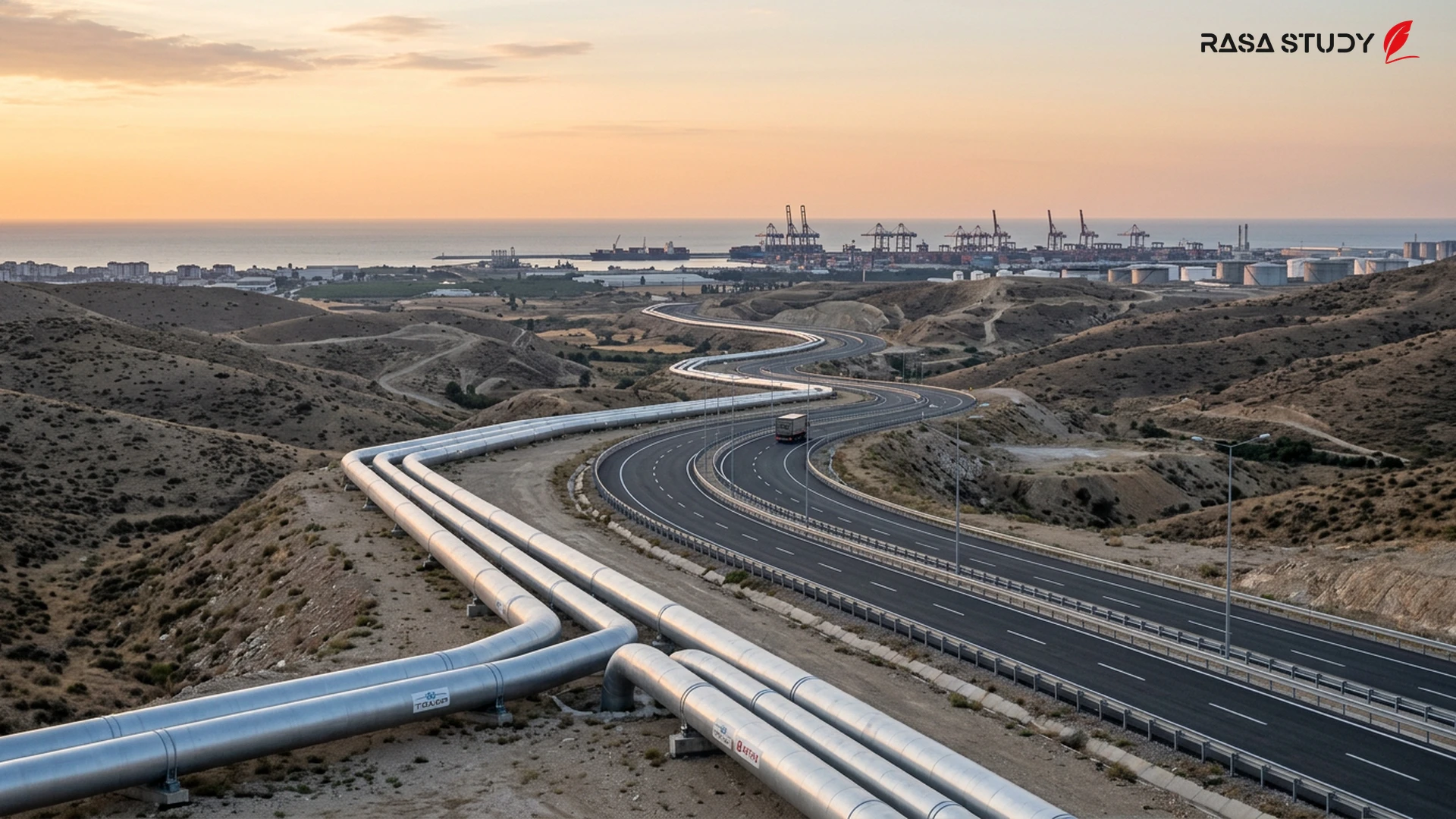
Details of the 60-Day Agreement and Reopening of the Strait of Hormuz This agreement, considered an initial step toward lasting peace, includes several vital clauses: * Immediate Ceasefire: Cessation of all military operations between US, Israeli, and Iranian forces for a period of 60 days [4]. * Reopening of the Strait of Hormuz: Immediate reopening of this strategic waterway through which approximately 20% of the world's oil and gas passes [3]. * Nuclear Negotiations: Utilizing this 60-day window to finalize agreements regarding Iran's nuclear program and the gradual lifting of sanctions [4].
Trump also indicated that if this period is successful, the United States is ready to cooperate with Iran in the management of nuclear materials and infrastructure reconstruction [5].
Doubts in Tehran and Domestic Pressures Despite the optimism in Washington and Islamabad, officials in Tehran are proceeding with more caution. Esmaeil Baghaei, the spokesperson for the Iranian Ministry of Foreign Affairs, while confirming that diplomatic channels are active, noted that although the text of the agreement is largely finalized, the formal signing might be postponed for a few days [1][4]. Simultaneously, reports have emerged of protests by hardline groups in cities such as Mashhad against Foreign Minister Abbas Araghchi, reflecting domestic pressure on the Iranian negotiating team [1].
Background: The War That Shook the World This agreement follows a period of intense conflict that began in February 2026. This war, known as the "100-Day War," resulted in extensive damage to energy infrastructure and an unprecedented spike in global oil prices [3]. Now, the signing of this ceasefire on a digital platform is not only considered a victory for diplomacy but also creates hope for global economic stability [5].
Diplomacy in a digital context; efforts to end the 100-day Middle East crisis in June 2026.
linkSources
- Will the US-Iran deal be signed on Sunday? What we know so far — Al Jazeera (2026-06-14)
- Trump says Iran peace deal could be signed by Sunday — The Guardian (2026-06-13)
- What's in the Iran deal Trump says he's ready to sign — Axios (2026-06-12)
- What to know about a possible U.S.-Iran deal to end the war — PBS News (2026-06-13)
- US-Iran peace deal signing, opening of Hormuz planned for June 14 — TASS (2026-06-14)