As the world awaits an end to military tensions, Hakan Fidan played a key role in finalizing the comprehensive agreement between Tehran and Washington through intensive consultations with the Qatari Prime Minister and US negotiators.
Intensive Diplomacy in Ankara and Doha for Lasting Peace
On June 13, 2026, diplomatic reports indicate that the agreement between the United States and Iran has reached its final stages. Turkish Foreign Minister Hakan Fidan discussed the latest developments of this sensitive process in a series of separate phone calls with Sheikh Mohammed bin Abdulrahman Al Thani, the Prime Minister and Minister of Foreign Affairs of Qatar, as well as the US negotiating team [1]. These consultations come as diplomatic sources emphasize that the agreement, known as the "Islamabad Memorandum of Understanding," is now more than 80 to 85 percent complete [2].
During these talks, Fidan emphasized Ankara's full support for the diplomatic process and expressed hope that these negotiations would reach a final conclusion without further delay. Turkey, along with Qatar and Pakistan, has played the role of primary mediators in this crisis to prevent a full-scale war in the region [1][4].
Main Provisions of the Agreement: From Nuclear to Reopening the Strait of Hormuz
According to leaked details from the final draft, the agreement includes fundamental clauses that redefine the security structure of the Middle East. The main pillars of this agreement are:
- Dismantling the Nuclear Program: Trump administration officials have stated that the deal includes dismantling Iran's sensitive nuclear infrastructure and removing enriched uranium from the country [2].
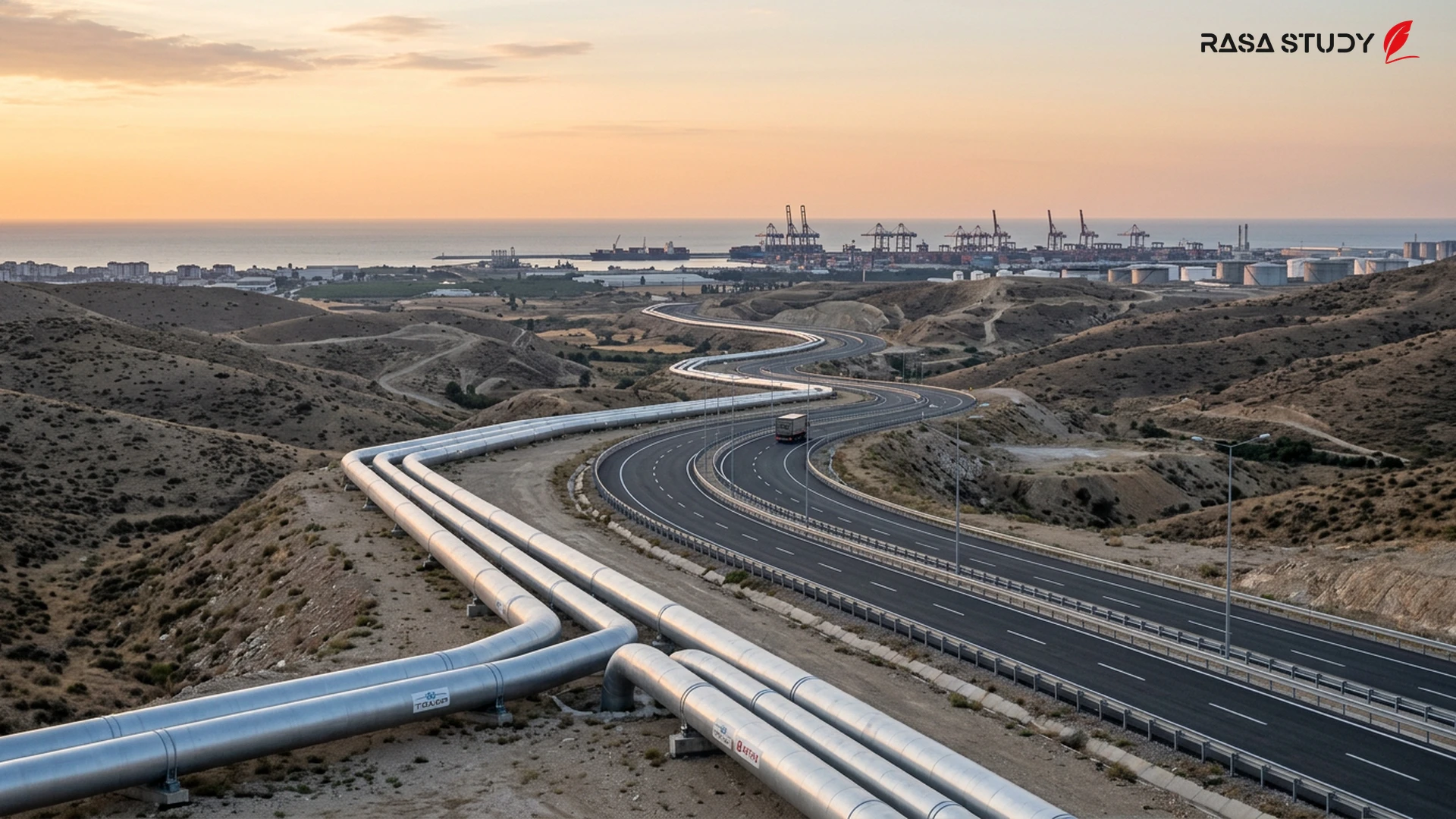
- Reopening the Strait of Hormuz: An immediate priority is lifting the naval blockade and fully reopening the Strait of Hormuz to ensure global energy security, which has been disrupted since last February [4].
- Sanctions Relief: In exchange for Iran's compliance with its commitments, the United States has pledged to gradually lift financial and oil sanctions [3].
Abbas Araghchi, Iran's Foreign Minister, also described the agreement as "closer than ever" in a message, emphasizing the need for uranium dilution within Iranian territory as part of the technical solution [4].
Overcoming Military Tensions and the Prospect of Signing in Europe
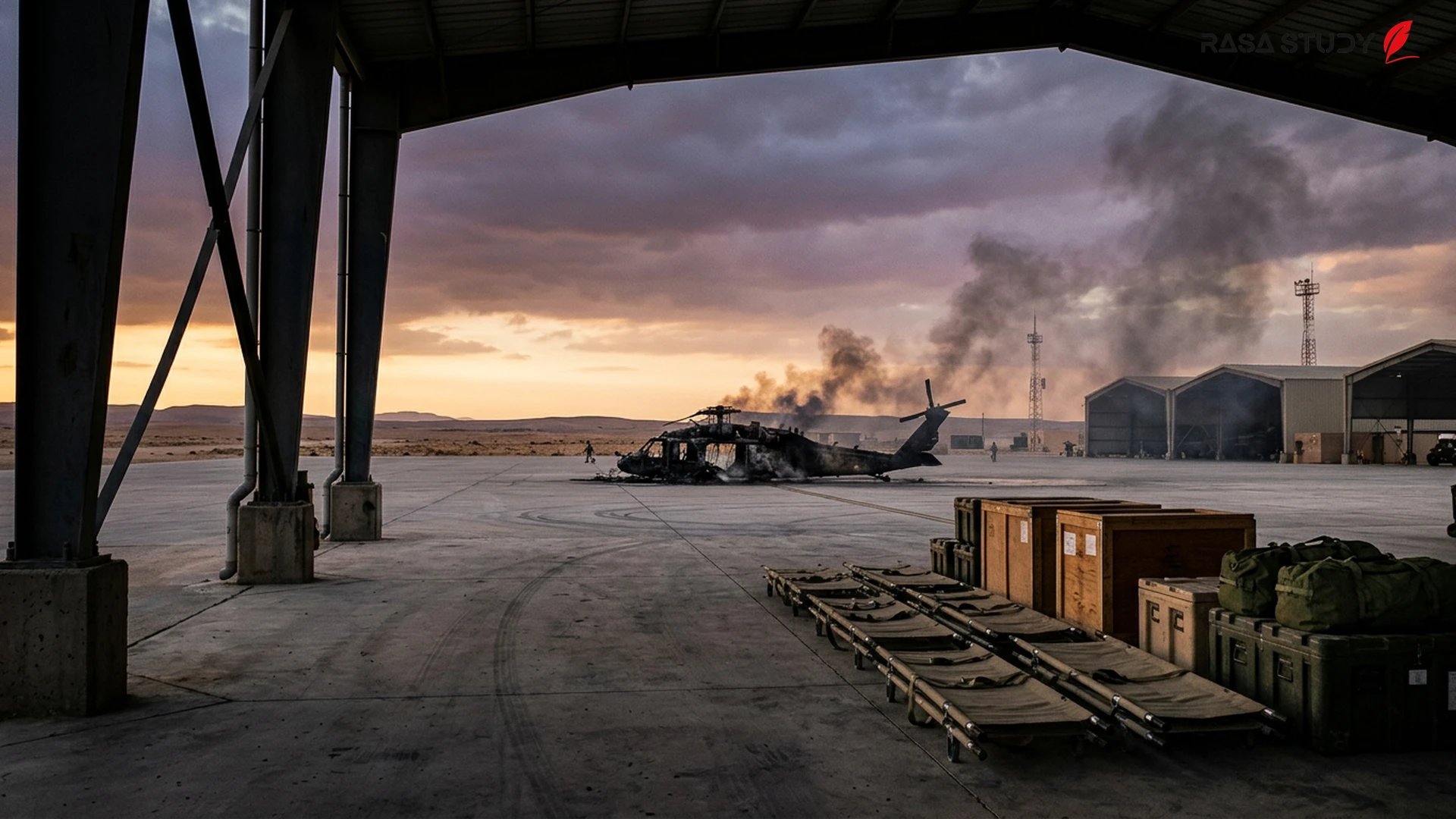
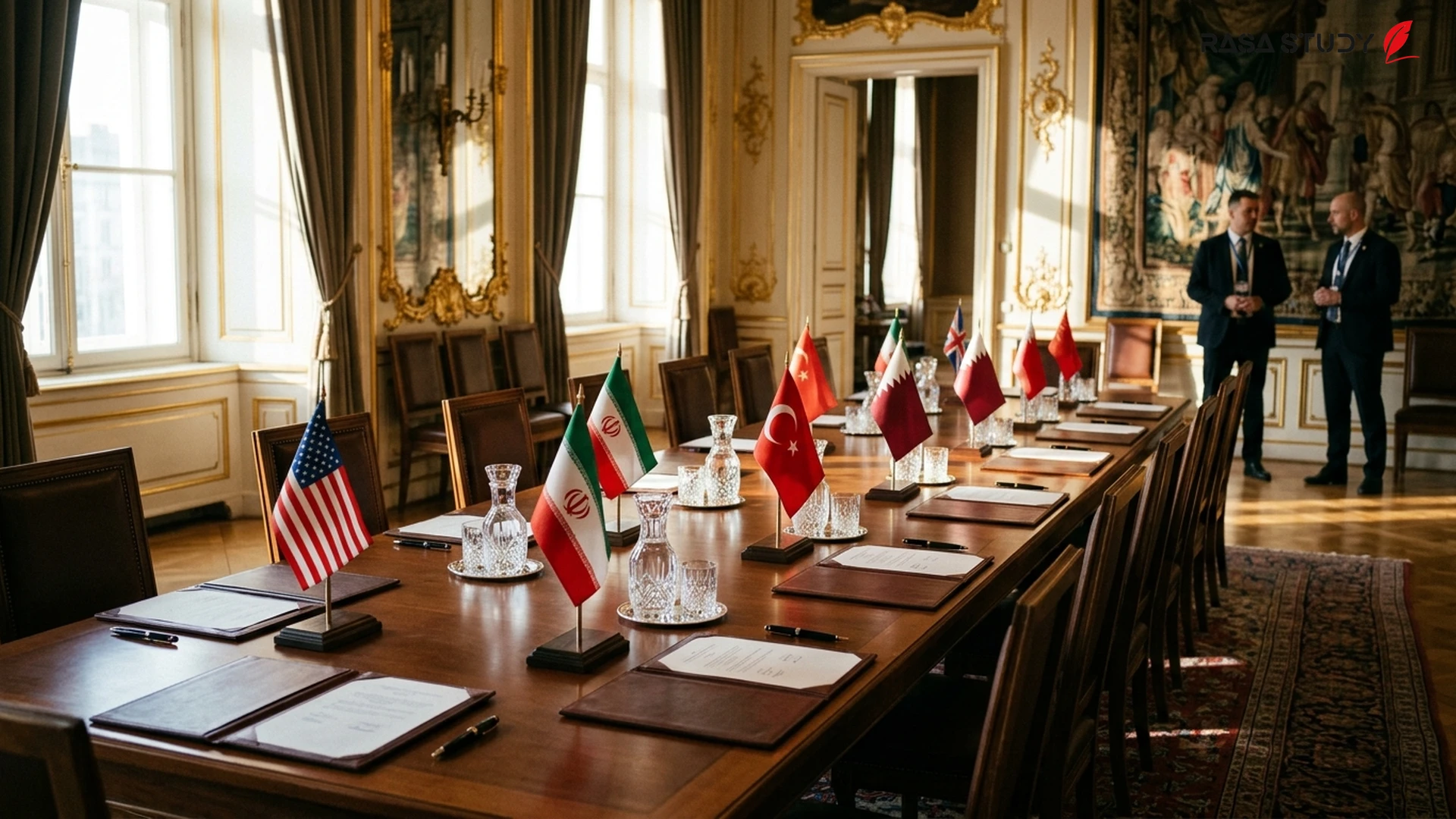
Despite diplomatic progress, recent days have seen sporadic exchanges of fire between US and Iranian forces, which intensified after the downing of a US Apache helicopter on June 8 [1.3.8]. However, US President Donald Trump, calling the signals received from Tehran "very positive," announced that the agreement documents are in the final stage and will likely be signed in an official ceremony in Europe in the coming days [1.3.4].
This agreement not only ends direct conflicts but also paves the way for resolving side crises in Lebanon and Gaza. Mediators are now finalizing the exact location of the signing to ensure that all interested parties, including representatives from Pakistan and Qatar, are present at this historic moment [2].
Turkish Foreign Minister Hakan Fidan leading diplomatic efforts to stabilize the peace agreement between Tehran and Washington.
linkSources
- Fidan discuss US-Iran talks with Qatar, US negotiators — Hürriyet Daily News (2026-06-13)
- US expects to sign agreement to end Iran war within 'next few days' — Anadolu Ajansı (2026-06-12)
- Tehran gave final approval to draft US-Iran deal — Al Arabiya (2026-06-11)
- Iran and US say deal closer than ever — AL-MONITOR (2026-06-12)