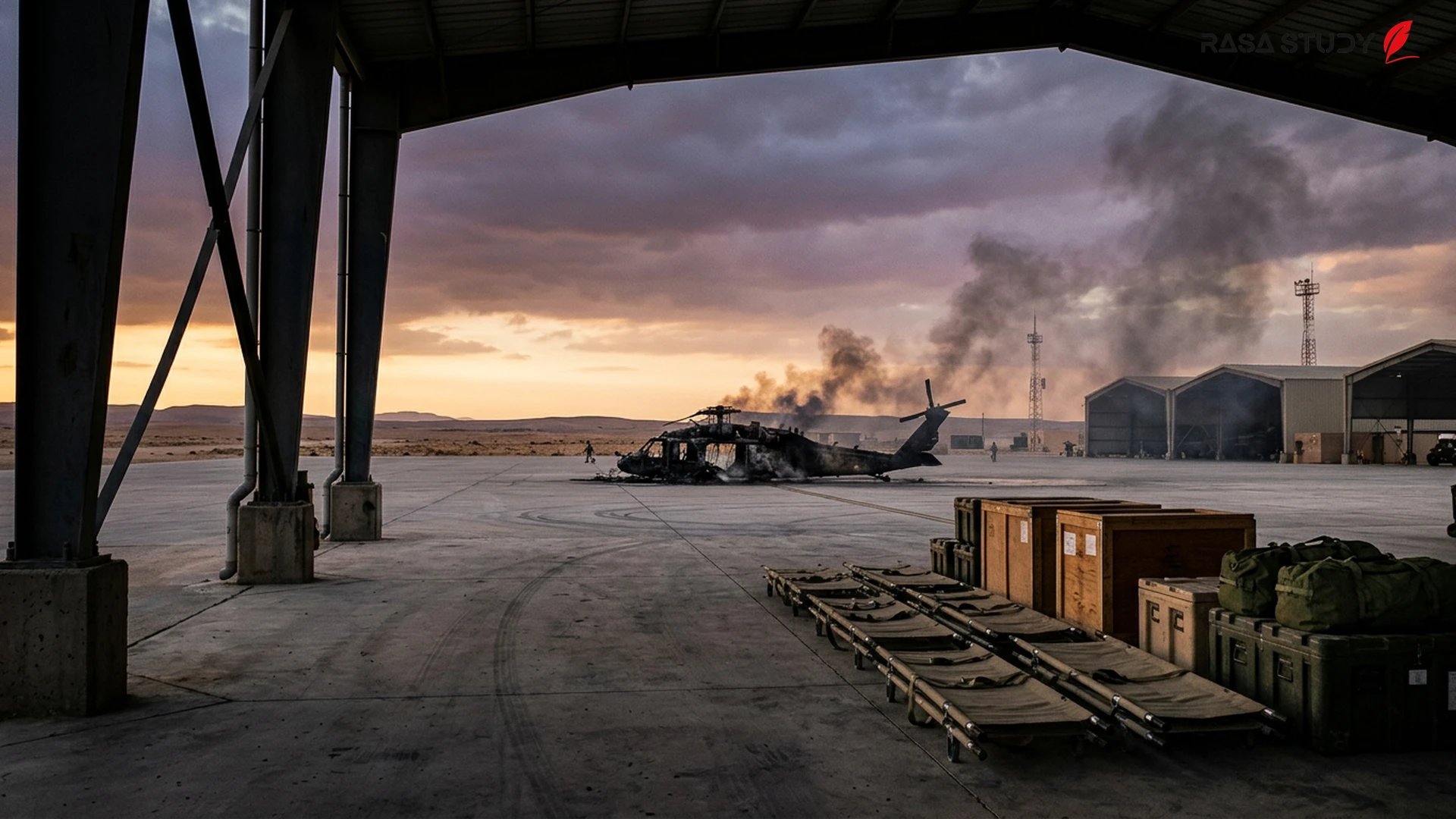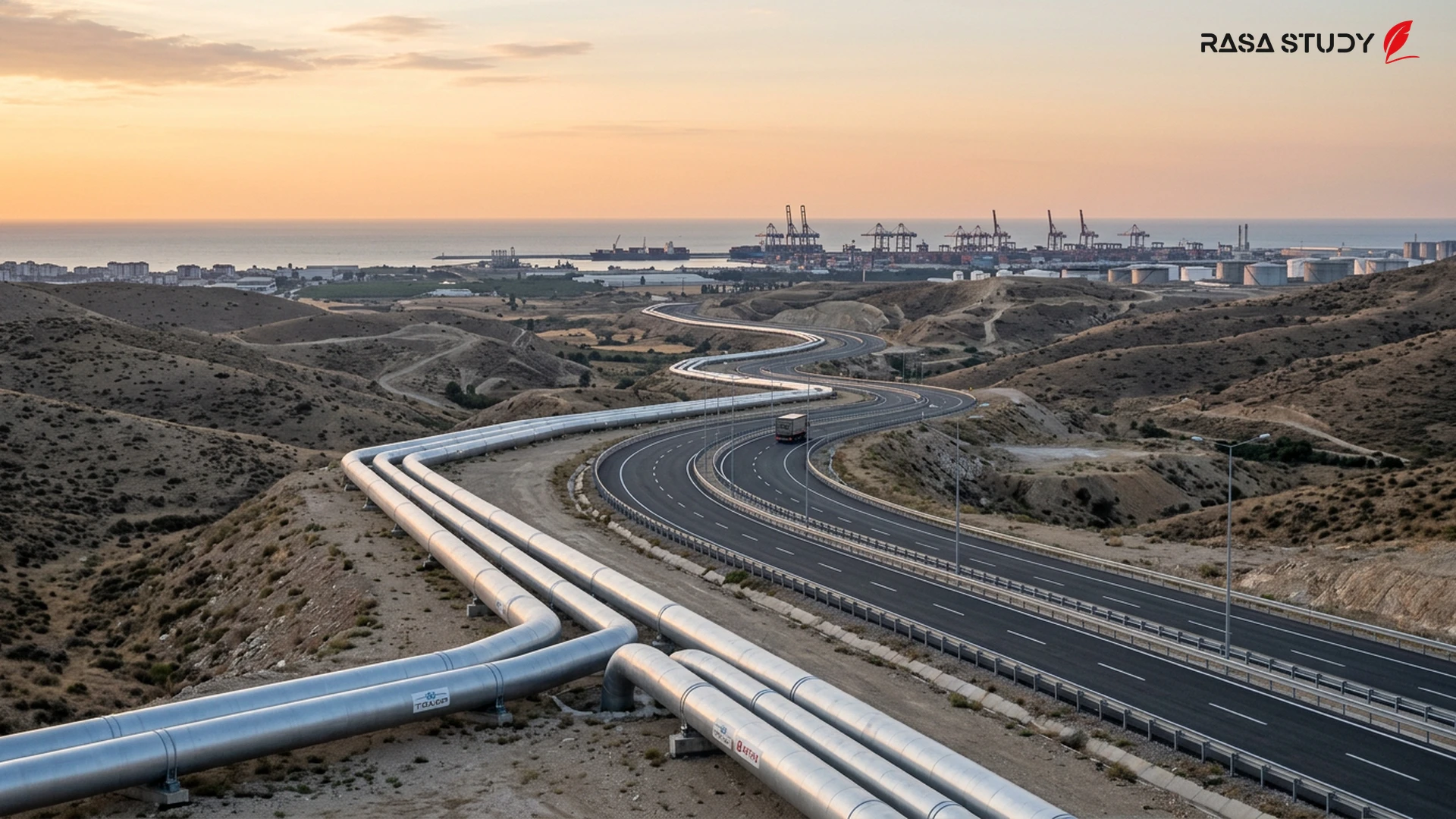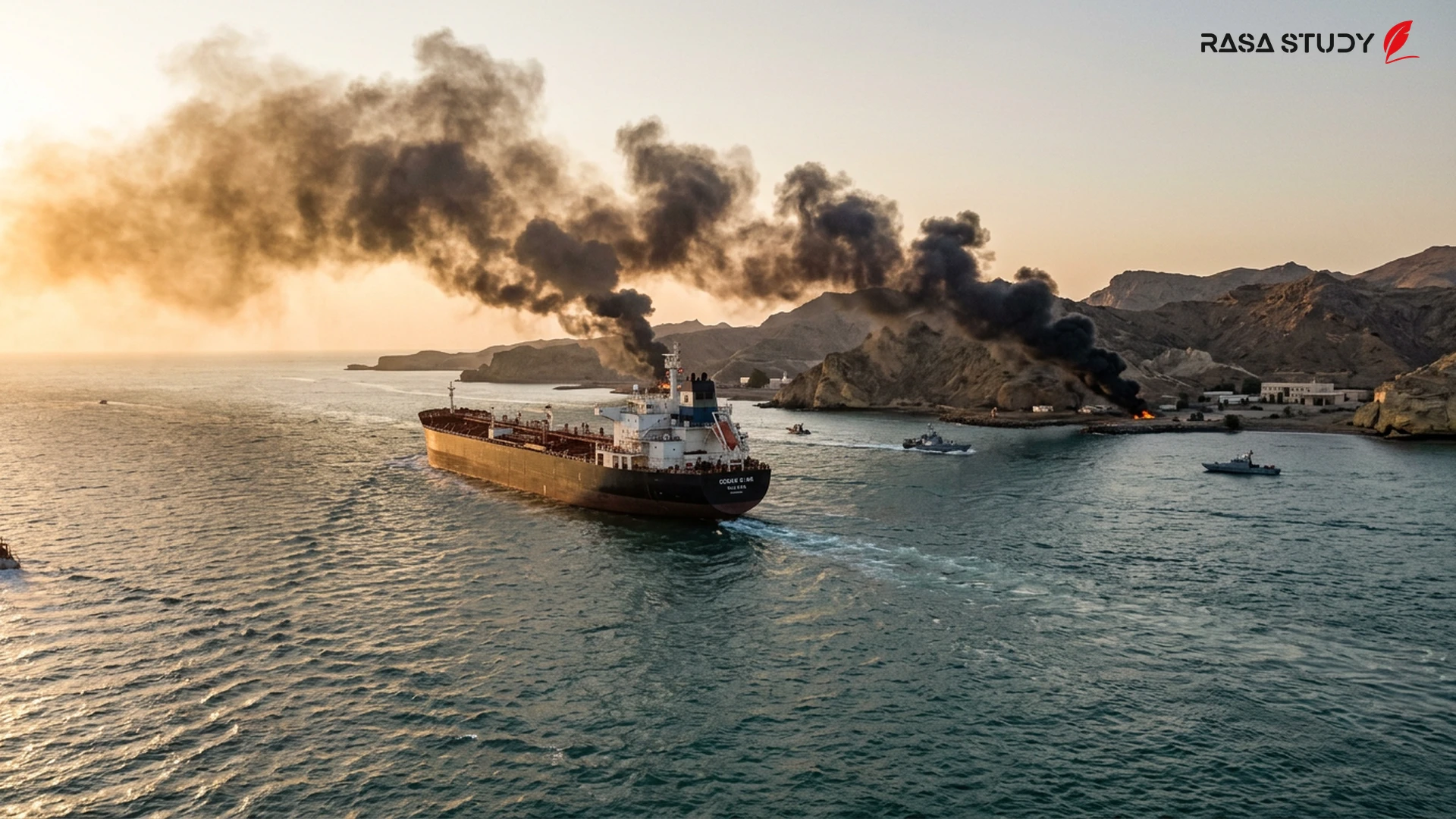
With Donald Trump's official declaration of the end of the ceasefire and the escalation of clashes in the Strait of Hormuz, hopes for a lasting peace between Tehran and Washington have reached their lowest point in July 2026.
While the world hoped the "Islamabad Memorandum" on June 17, 2026, would end months of bloody conflict, recent events have shown that this agreement was little more than a brief pause in the war [1]. US President Donald Trump officially announced on Wednesday that the ceasefire with Iran is "over" and ordered massive strikes on more than 90 military targets inside Iranian territory [3]. This sudden collapse has raised critical questions about the rigid positions of both sides and why the peace could not be sustained.
The Islamabad Memorandum: An Agreement on Shifting Sands Many analysts believe the Islamabad Memorandum was doomed from the start due to structural ambiguities. The agreement, mediated by Pakistan, was built on the "performance" of both parties, but there were differing definitions of this performance [4]. Washington expected Iran to immediately halt uranium enrichment and reduce its regional influence, while Tehran emphasized the full lifting of sanctions and recognition of its right to manage regional security [5]. The BBC noted in its analysis that the failure to resolve fundamental issues, including Israeli military activities in Lebanon, was a major obstacle to the continuity of this ceasefire [5].
The Strait of Hormuz: A Battlefield of Wills The primary point of friction leading to the ceasefire's collapse is control of the Strait of Hormuz. In recent days, Iran attempted to establish its sovereignty over this strategic waterway by imposing "transit fees" and enforcing its own protocols on commercial vessels [4]. Attacks attributed to Iran on three commercial tankers on July 6 and 7 prompted a severe reaction from CENTCOM. The United States, aiming to "protect freedom of navigation," targeted Iranian missile and drone infrastructure along the southern coast [1]. Mohammad Bagher Ghalibaf, Iran's senior negotiator, responded by declaring that the Strait of Hormuz would only remain open under Iranian arrangements, dismissing US threats as ineffective [4].
Power Vacuum and Internal Complexities in Iran The collapse of the ceasefire coincides with one of the most sensitive moments in modern Iranian history: the funeral of Ayatollah Ali Khamenei. While thousands gathered in Mashhad for the burial ceremony, internal pressure on Masoud Pezeshkian's government to provide a decisive military response increased [4]. Analysts believe that hardliners in Tehran view any retreat at this juncture as a sign of weakness during the power transition and are therefore less inclined to maintain the ceasefire [3].
Washington's Multi-Layered Pressure Strategy On the opposing front, Donald Trump, attending the NATO summit in Turkey, has significantly sharpened his tone. Calling the Iranian attacks on tankers "terrorist," he stated he is no longer willing to waste time on negotiations [2]. Washington is now employing a "multi-layered pressure" model, which includes direct military strikes, renewed economic sanctions, and pressure on Iran's regional allies [3]. This strategy seeks a fundamental change in behavior from Tehran—a goal that, given Iran's current stance, seems likely only to escalate tensions and the possibility of a full-scale war.
Tensions in the Strait of Hormuz have reached their highest level in 2026 following mutual attacks between Iran and the US.
linkSources
- Trump says Iran ceasefire deal is 'over' after new round of strikes — Fox News (2026-07-09)
- Trump sees Iran's attacks on commercial tankers as terrorism — CBS News (2026-07-10)
- Washington is linking domestic instability, regional fronts and Western coalition-building — Al Jazeera (2026-07-10)
- The fragile memorandum between Tehran and Washington is facing its biggest test — Iran International (2026-07-09)
- İran ile ABD arasında ateşkes neden sürdürülemiyor? Öne çıkan dört neden — BBC (via Haberturk) (2026-06-11)