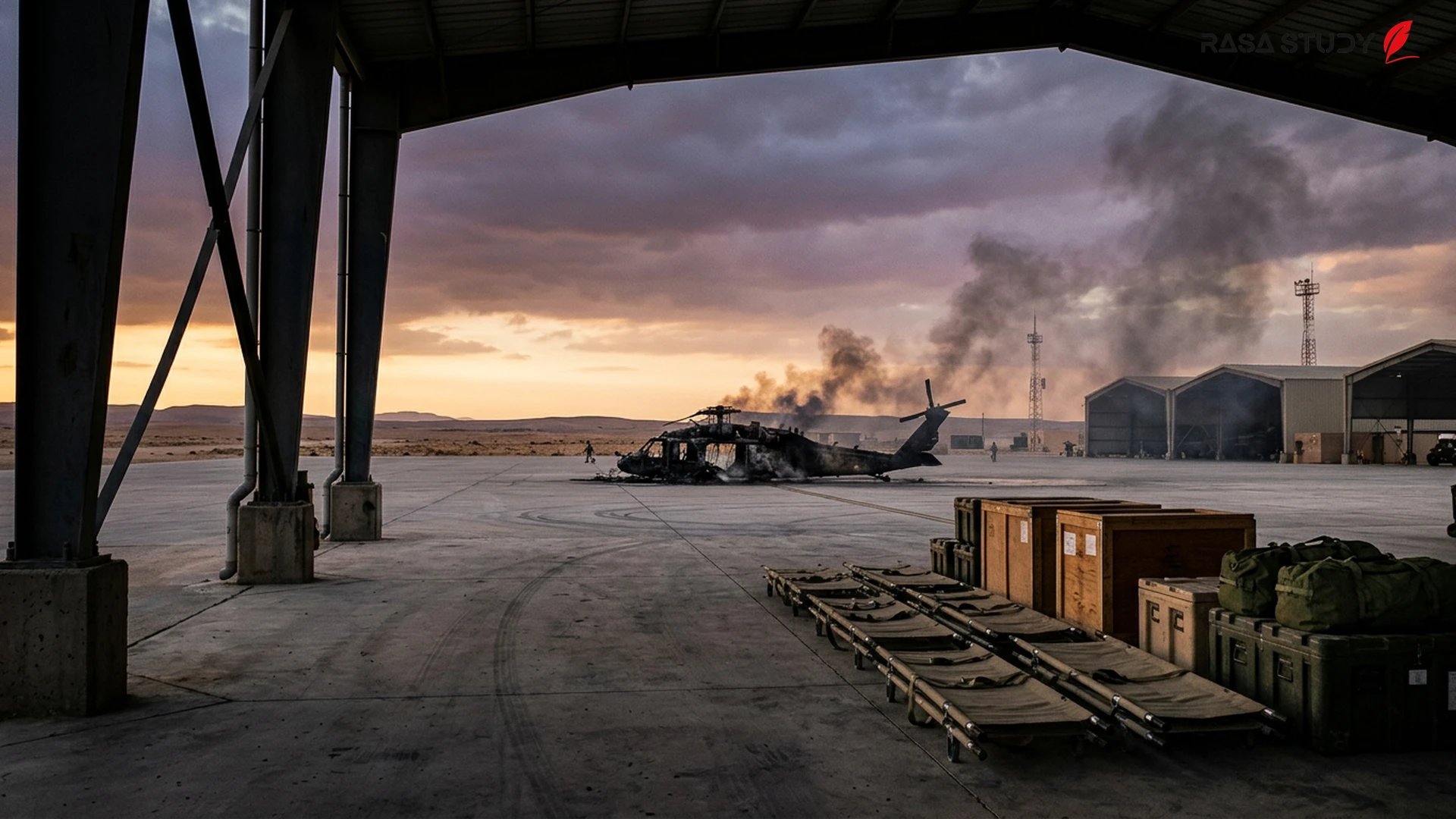
With Donald Trump officially announcing the end of the ceasefire between Washington and Tehran, tensions in the Strait of Hormuz have reached their peak. Following extensive CENTCOM strikes on southern Iran, the Israeli military has also entered full alert for a potential conflict. [1][3]
As the summer of 2026 reaches its midpoint, the Persian Gulf region has once again become the center of an international crisis. Reports received on July 10, 2026, indicate that the United States has increased its military and security pressure on Iran in the Strait of Hormuz to an unprecedented level, while Israel has simultaneously announced its readiness to participate in any potential military operations. [1]
Collapse of the Interim Agreement and Start of US Airstrikes Recent tensions intensified after US President Donald Trump announced during a NATO summit in Ankara that the Islamabad Memorandum of Understanding (MoU), signed to establish a 60-day ceasefire, has ended. [3] Following these remarks, United States Central Command (CENTCOM) confirmed it hit over 90 military targets inside Iranian territory, including air defense sites, coastal radars, and Islamic Revolutionary Guard Corps (IRGC) missile depots in areas such as Bushehr and Bandar Abbas. [3][5] These strikes were carried out in response to alleged Iranian attempts to seize or attack commercial tankers in the Strait of Hormuz.
Maximum Alert in Israel: From Hatzerim Base to Northern Borders Simultaneously with the direct clashes between the US and Iran, senior Israeli officials, including Benjamin Netanyahu and Chief of General Staff Eyal Zamir, emphasized at a pilot graduation ceremony at the Hatzerim airbase that Israel is in a state of "momentary readiness" to return to war with Iran. [2] In his speech, Zamir announced that hundreds of air force fighters are on full alert and new operational plans to counter Tehran's threats are on the table. [2] Reports also indicate close coordination between the Israeli military and CENTCOM to counter potential Iranian responses against airbases such as Nevatim. [2]
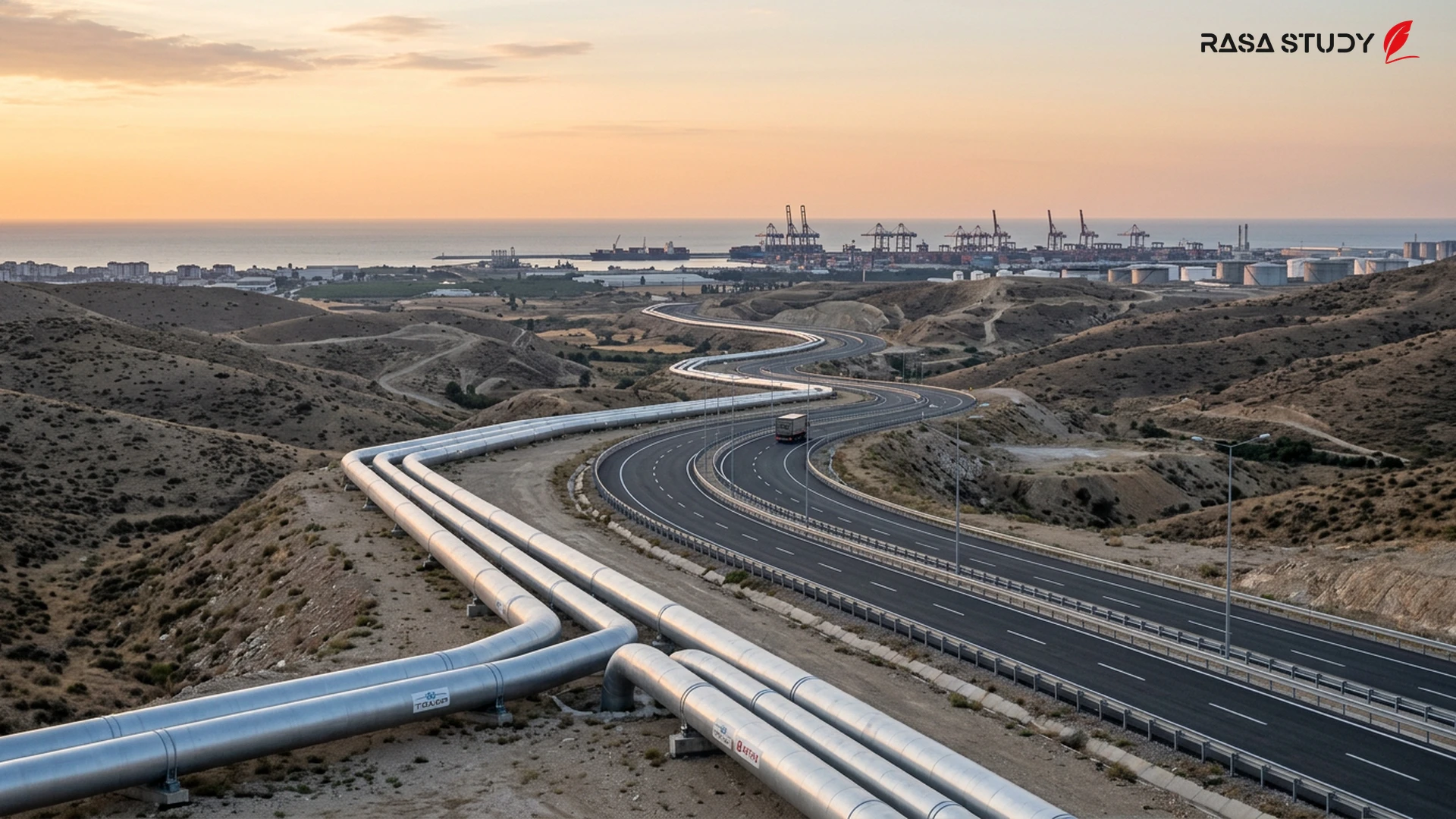
Crisis in the Strait of Hormuz and Impact on Global Markets The partial blockage of the Strait of Hormuz and maritime clashes have caused tanker traffic in this strategic waterway to drop sharply. According to shipping tracking institutions, the number of passing vessels has decreased from 25 per day to fewer than 6. [3] This situation has led to a 5% jump in Brent crude oil prices, reaching the $76 per barrel mark. [3] Analysts believe Washington intends to turn the disputes in the Strait of Hormuz into comprehensive security pressure to force Tehran to retreat from its nuclear and regional positions. [1]
Geopolitical Analysis: Comprehensive Security Pressure on Tehran Zaidan Al-Kinani, an analyst at the Arab Vision Institute, believes the United States seeks to change the balance of power in the Persian Gulf. [1] On the other hand, the timing of these tensions with the funeral of Iran's former leader in Mashhad has presented Iran's domestic environment with security complexities. [3] While mediators from Qatar and Pakistan are attempting to revive diplomacy, the combat readiness of US and Israeli forces indicates the region is on the brink of a broader confrontation that could seriously challenge global energy security for weeks. [4][5]
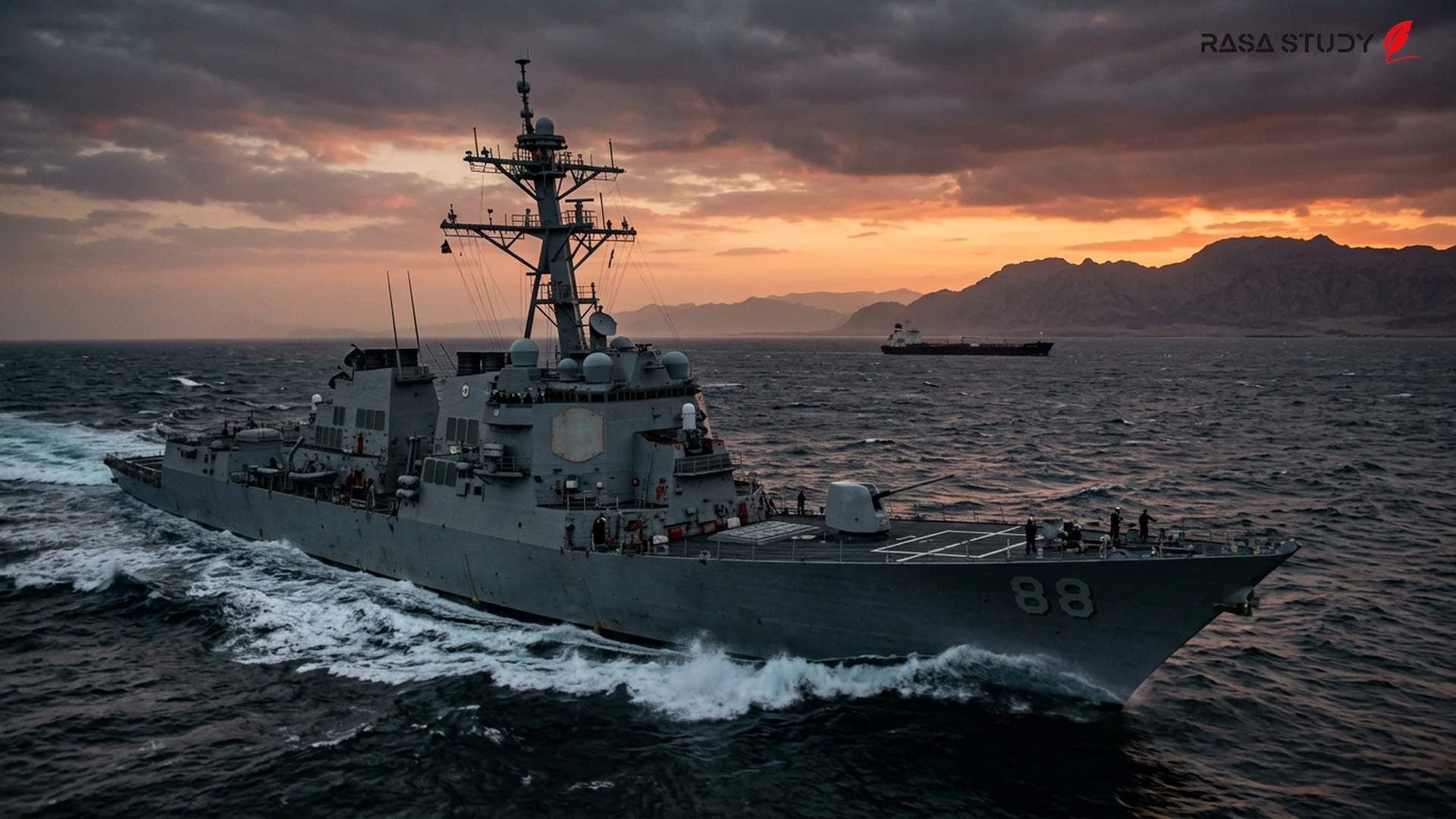
Image of the heavy presence of the US Fifth Fleet in the Persian Gulf amid military threats in July 2026
linkSources
- ABD, Hürmüz Boğazı’nda İran’a baskıyı artırıyor: İsrail’ده askeri hazırlık iddiası — Ekotürk (2026-07-10)
- Netanyahu, Katz, Zamir say Israel ready to return to war with Iran at a moment’s notice — Times of Israel (2026-07-09)
- US strikes around 90 targets in Iran, who threatens 'grave consequences' — Fox News (2026-07-10)
- جنگ جدید بر خلاف منافع ایران است/ دیپلماسی تنها راه حل تنگه هرمز — Tabnak (2026-07-09)