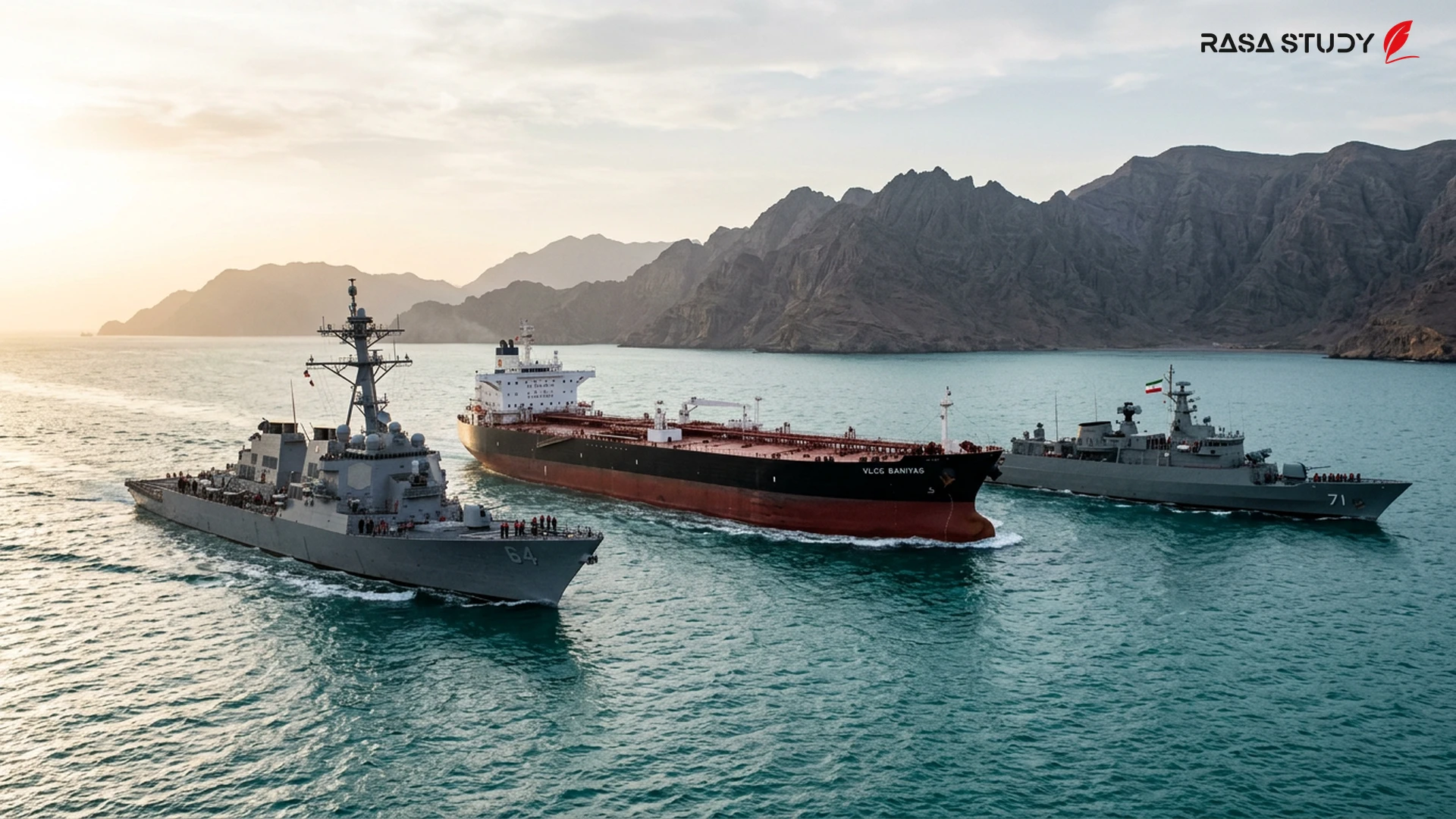
In an unprecedented move to prevent unintended conflicts, Iran and the United States, mediated by Qatar and Pakistan, have established a direct military communication line to manage the situation in the Strait of Hormuz and implement the provisions of the Islamabad Memorandum of Understanding.
Today, June 26, 2026, official reports indicate that Tehran and Washington have reached an agreement to establish a direct military communication channel to monitor the situation in the Strait of Hormuz. This decision, aimed at preventing military misunderstandings and accidental encounters in this strategic waterway, is the result of intensive negotiations held last week in Switzerland [1][2].
Agreement Details and the Role of Mediators According to the final statement of the Zurich negotiations issued by international mediators Pakistan and Qatar, this communication line is part of the implementation of Article 5 of the "Islamabad Memorandum of Understanding." This agreement comes as tensions in the Persian Gulf region reached their peak in recent weeks [2][3]. According to Iranian state media reports, this communication channel is designed for real-time crisis management and to ensure the safe passage of commercial vessels [4].
Operational Mechanism: Coordination in Doha U.S. Vice President JD Vance confirmed in media statements that the mechanism will involve the presence of representatives from the Islamic Revolutionary Guard Corps (IRGC) and the United States Central Command (CENTCOM) in Doha, Qatar [3]. These representatives are tasked with resolving field disputes through direct dialogue before they escalate into armed conflict. This move has been described as a significant step toward "Deconfliction" [3][4].
Iran's Official Position and Maritime Security Despite the establishment of this communication line, Iranian officials continue to emphasize their sovereignty over shipping routes. Kazem Gharibabadi, Iran's Deputy Foreign Minister, stated in a message that the security of passage in the Strait of Hormuz cannot be guaranteed without considering Iran's role as a coastal state and full coordination with Tehran [1][2]. He warned that any attempt to create parallel routes or ignore coordination protocols with Iran could lead to the suspension of the new arrangements [1].
International Necessity for Energy Stability The Strait of Hormuz, through which approximately one-fifth of the world's crude oil passes, has always been a focal point for global energy markets. The establishment of this communication line became necessary after reports of an encounter with a commercial ship near the area in recent days [3]. Analysts believe this 60-day agreement could be a prelude to a more comprehensive peace roadmap in the West Asia region and prevent extreme fluctuations in the oil market [4].
The Strait of Hormuz; the location for the new communication line between Iranian and United States military forces to ensure maritime security.
linkSources
- ABD ve İran Hürmüz için askeri iletişim hattı kurdu — CGTN Türk (2026-06-26)
- Iran says 'direct communication line' established with US over Hormuz — Anadolu Agency (2026-06-26)
- Iran-U.S. communications line established to prevent military incidents — CBS News (2026-06-26)
- Iran, US establish 'communication line' to prevent military clash — India TV News (2026-06-26)


