Following recent United States airstrikes and Iran's retaliatory responses, Turkey's A Haber network announced in a striking analysis that military conflicts between the two nations could continue until 2027.
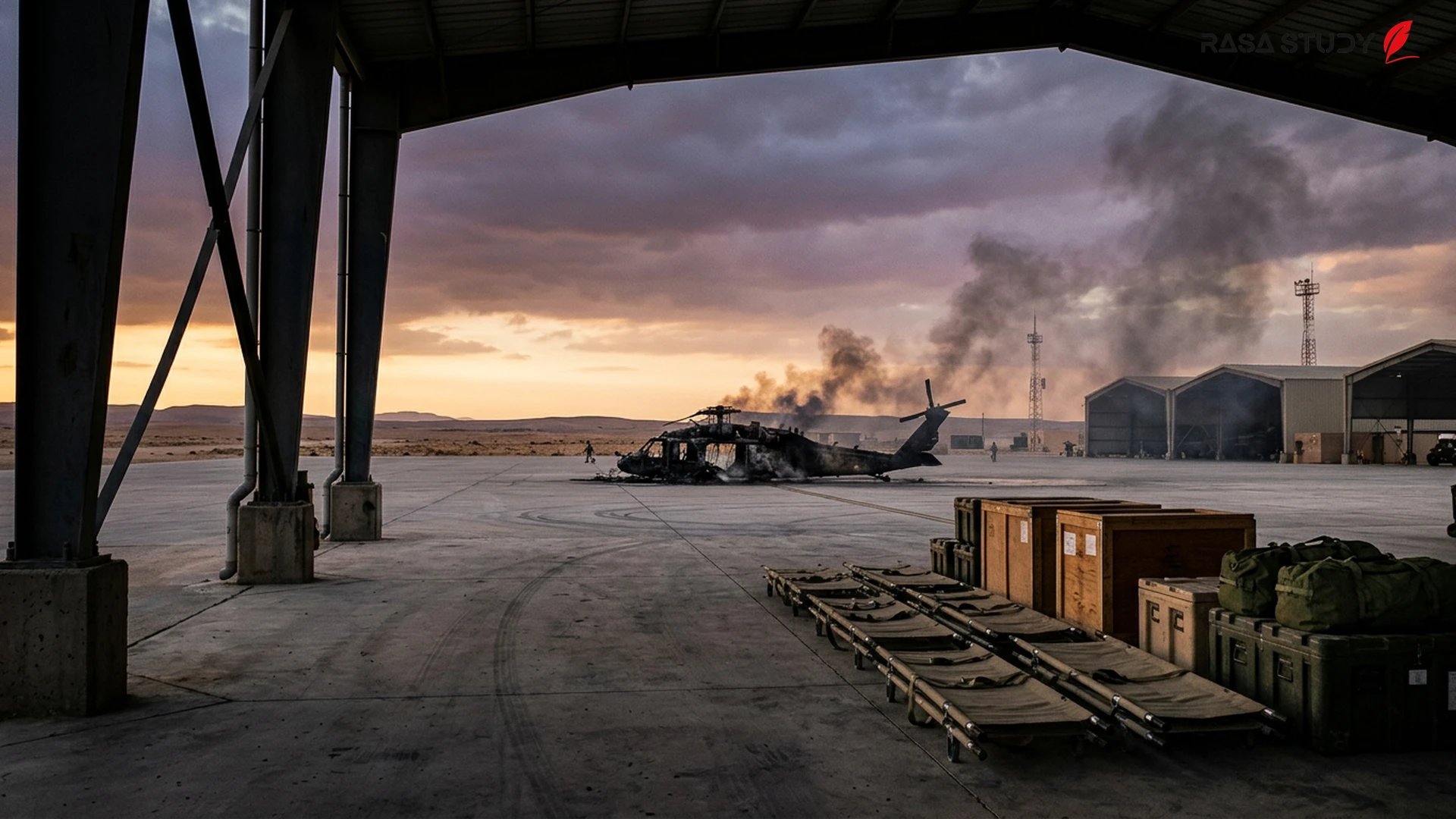
Diplomacy Failure and Return to the Battlefield Only a few weeks after the signing of the "Islamabad Agreement" on June 14, 2026, which had revived hopes for a lasting ceasefire, the region is once again engulfed in the flames of war. According to published reports, the United States military launched extensive strikes against military positions in five Iranian provinces on July 8, resulting in human casualties and serious structural damage [2]. These attacks, which Washington officials claim were aimed at disabling defense systems and drone warehouses, have effectively halted the 60-day negotiation process that was intended to lead to a final peace [5].
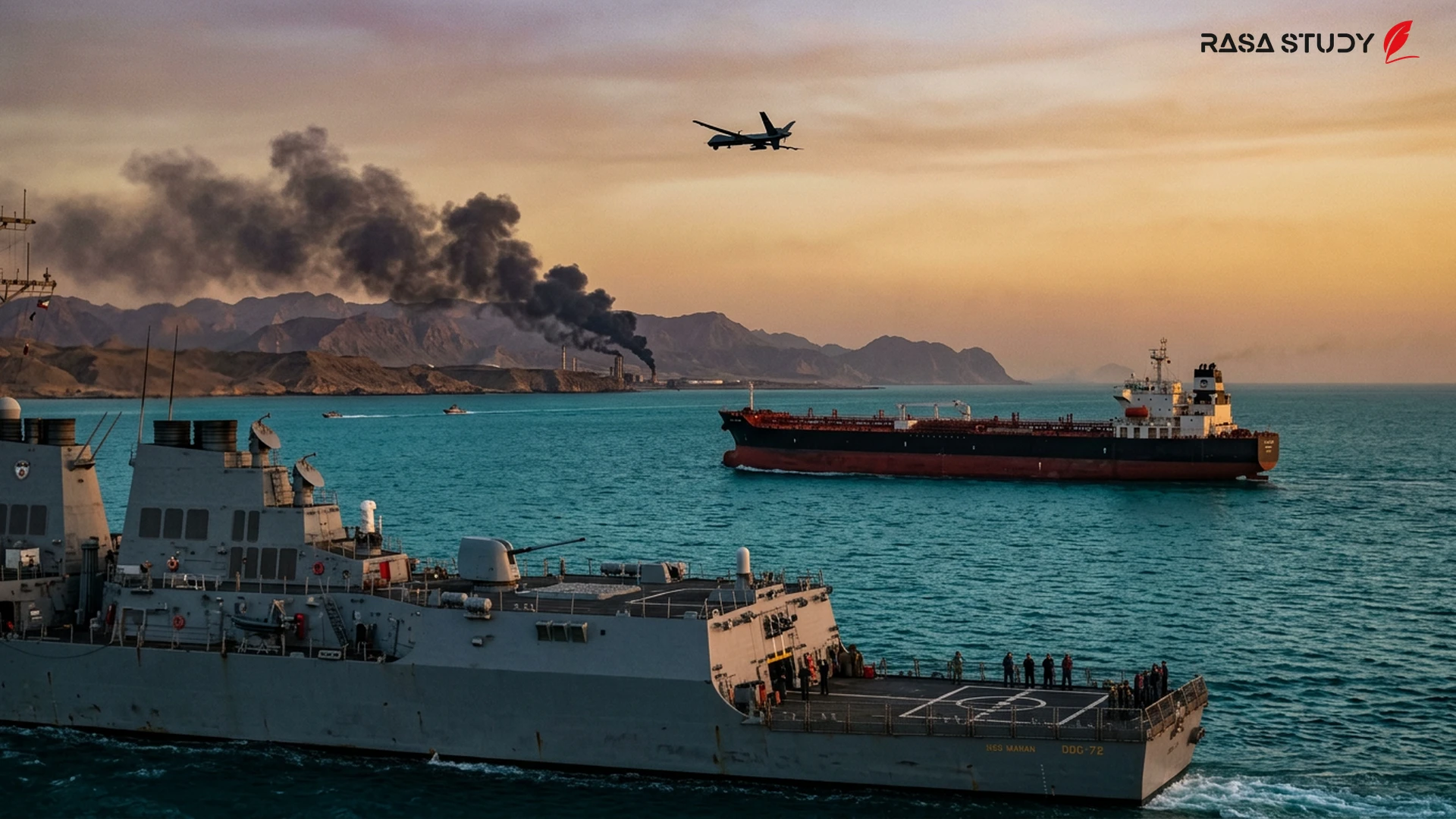
A Haber Analysis: From Classic War to the Strait of Hormuz Battle The Turkish news network A Haber examined the new dimensions of this confrontation in its recent analysis. Experts at the network believe that the United States' strategy has shifted from a classic war toward paralyzing Iran's economic arteries. Bercan Tutar, the Foreign News Manager of Sabah newspaper, noted in an interview with the network that "the Iran war is now evolving into the Hormuz war" [1]. This analysis suggests that Washington's primary goal is the permanent and controlled reopening of the Strait of Hormuz, while Iran uses this waterway as its main lever of pressure. The network's predictions indicate that, given the existing complexities, these conflicts will persist at least until 2027 [1].
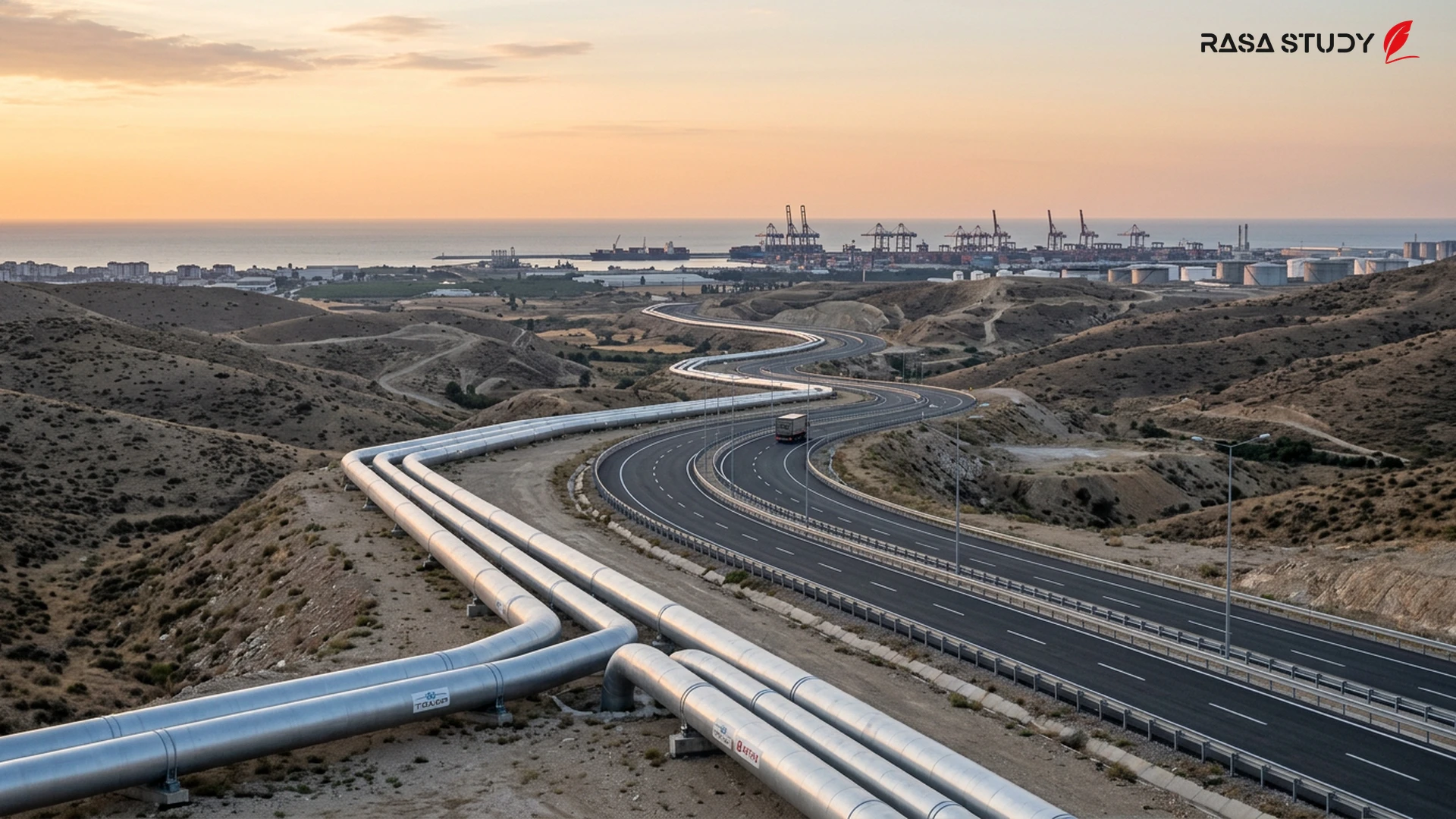
Economic Consequences; The Heavy Shadow of Crisis on 2027 Reports from international institutions also confirm the continuation of this situation. The International Energy Agency (IEA) warned that the escalation of tensions on July 7 and 8 has completely overturned previous predictions of an oil supply surplus for next year [3]. The agency emphasizes that a return to normalcy in global energy markets will be impossible before 2027 without a lasting peace agreement that guarantees the security of the Strait of Hormuz [6]. Simultaneously, the International Monetary Fund (IMF) announced in a report that the inflationary wounds caused by this war will remain on the US and global economies until the end of 2027, even if the fighting stops [4].
Mediation Efforts at a Deadlock Despite the wartime atmosphere, diplomatic efforts continue behind the scenes. Countries such as Qatar, Turkey, Oman, and Pakistan are engaged in intensive consultations to bring the parties back to the negotiating table [3]. However, counter-attacks on American bases in neighboring countries and Washington's insistence on structural changes to Iran's nuclear and regional programs have made reaching a common ground more difficult than ever. Analysts believe that 2027 is not only a date for the potential end of conflicts but also a turning point for redefining the new order in the Middle East [1][4].
Analysts believe the Strait of Hormuz has become the primary focus of long-term conflicts between Iran and the United States.
linkSources
- ABD'den İran'a operasyon! Ateşkes umutları dağıldı — A Haber (2026-07-09)
- CNN: ABD, diplomasiye zaman tanımak için arada İran'a saldırıları durduruyor — Anadolu Ajansı (2026-07-10)
- IEA warns U.S.-Iran tensions could derail 2027 oil surplus forecast — IranOilGas Network (2026-07-11)
- Iran war will leave an inflation scar on the U.S. through 2027, IMF says — Morningstar / Dow Jones (2026-07-08)