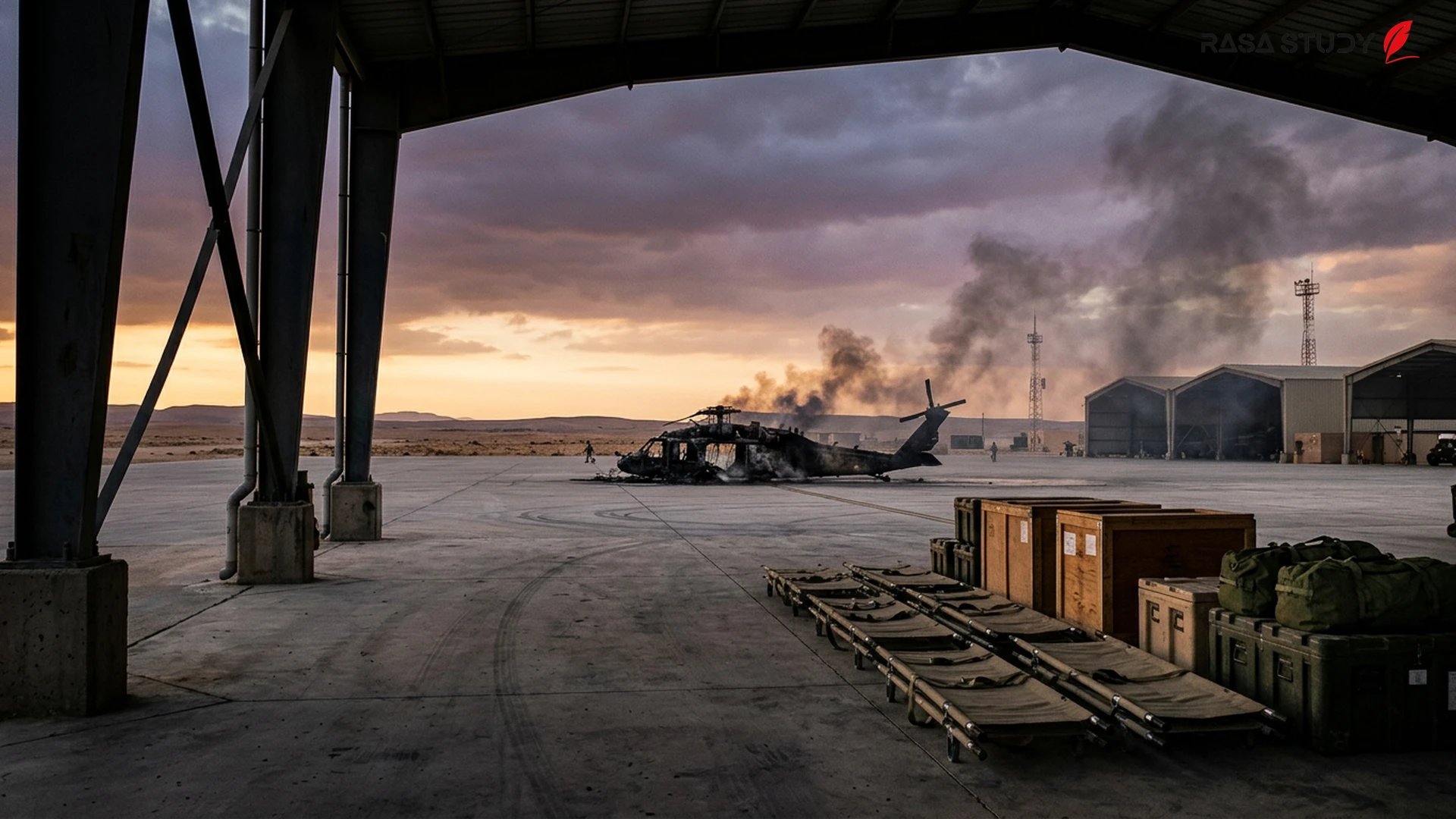
Following the collapse of the ceasefire and an unprecedented escalation of tensions, the United States Central Command (CENTCOM) announced the completion of a third consecutive night of heavy airstrikes against military positions deep within Iranian territory. These attacks have shaken global energy markets.
Details of CENTCOM's Five-Hour Operation in Southern Ports According to official reports, the United States military completed a new wave of air and missile strikes against Iranian military facilities in the early hours of July 14, 2026. The United States Central Command (CENTCOM) announced that this five-hour operation was the third consecutive night of direct attacks on Iranian soil [1]. Targets of these attacks included missile sites, drone hangars, and coastal defense systems in strategic areas including Bandar Abbas, Bushehr, Chabahar, Jask, and Abu Musa Island [4]. Pentagon officials claim these actions were taken to reduce Iran's ability to threaten commercial shipping in the Strait of Hormuz.
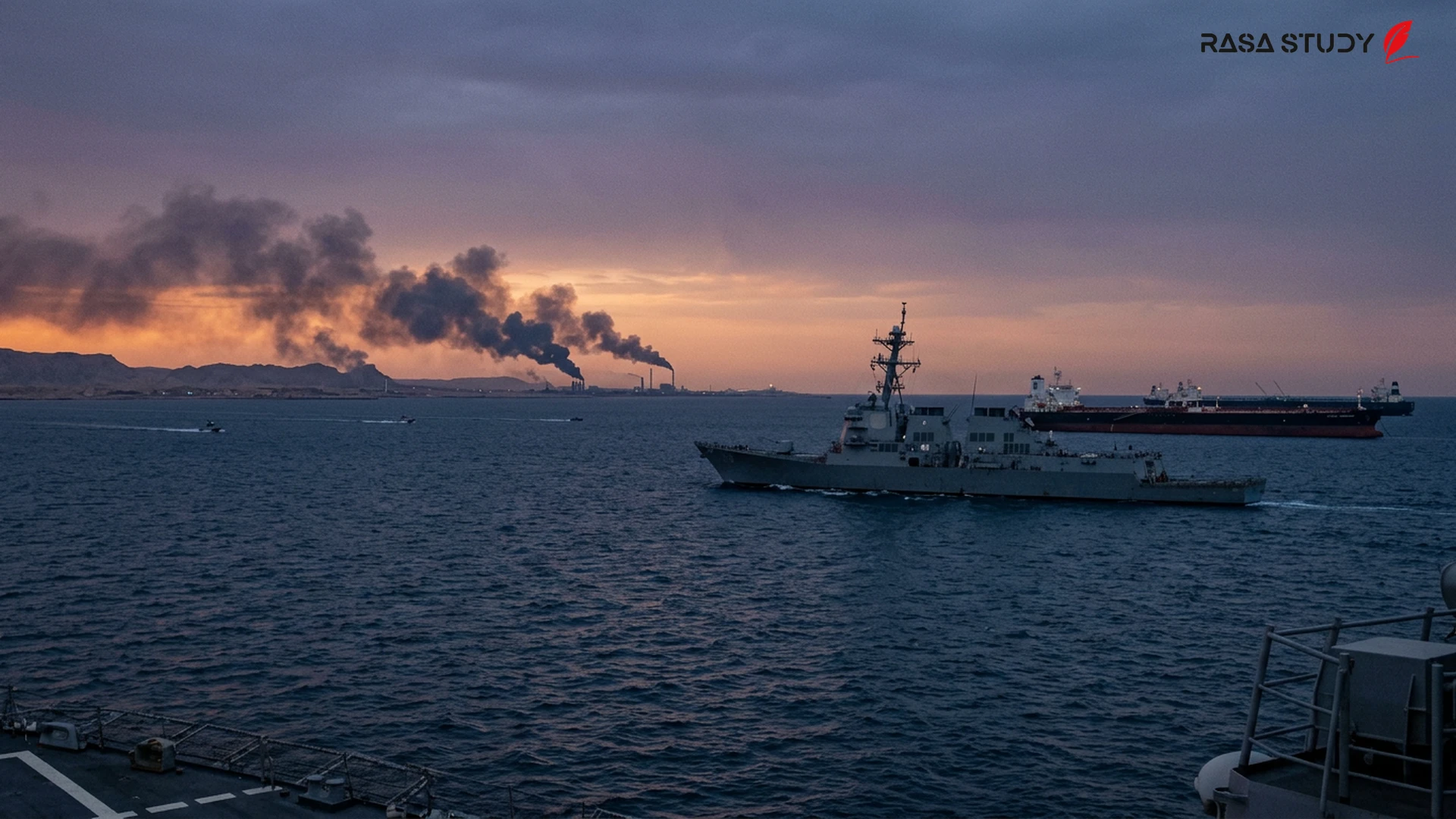
Return of the Naval Blockade and Trump's Controversial Proposal Simultaneous with these attacks, US President Donald Trump ordered the re-establishment of a full naval blockade of Iranian ports. According to a CENTCOM statement, as of 16:00 local time on July 14, all vessels traveling to or departing from the country's ports will be subject to strict enforcement measures [2]. Trump also suggested in controversial remarks that a 20 percent transit fee be collected from passing commercial cargo to cover security costs in the Strait of Hormuz; a proposal that met with sharp international reactions, including from Brazil, which described it as "modern piracy" [3].
Iran's Missile Response and Targeting of Regional Bases In response to these attacks, the Islamic Revolutionary Guard Corps announced that it had targeted several US military bases in the region with retaliatory strikes. Reports indicate ballistic missiles were fired toward the "King Hassan" Air Base in Jordan and US military facilities in Bahrain and Kuwait [3]. Additionally, the United Arab Emirates claimed that two of its tankers in the waters of the Gulf of Oman were targeted by cruise missiles, resulting in the death of one Indian crew member and the wounding of several others [2]. Iran has accused these ships of violating security warnings and moving through mined routes.
Economic Consequences; Unprecedented Spike in Oil Prices The continuation of military conflicts in the heart of the world's energy region has faced global markets with a massive shock. Brent crude prices jumped 9.6 percent in a single trading session to reach approximately $85 per barrel, the highest level in a month [4]. Analysts warn that if the Strait of Hormuz remains blocked and attacks on oil infrastructure escalate, the global economy will face a serious crisis. While the United Nations has called for restraint from both sides, Washington has emphasized that attacks will continue until military objectives are achieved [1].
CENTCOM airstrikes on military infrastructure on Iran's southern coast enter their third night.
linkSources
- ABD İran'ı üçüncü günde de vurdu — Sözcü Gazetesi (2026-07-14)
- US wraps up 3rd straight night of Iran strikes as Trump vows to 'keep' Strait of Hormuz — CBS News (2026-07-14)
- US launches third night of strikes on Iran as Trump announces Hormuz blockade — The Guardian (2026-07-14)
- US military completes new wave of strikes against Iranian military targets — Gulf News (2026-07-14)