Following escalating military tensions in the Persian Gulf, Mike Waltz, the United States Permanent Representative to the United Nations, warned that Washington will continue its attacks against Iranian military targets until the full security of international shipping routes in the Strait of Hormuz is guaranteed.
Mike Waltz's Explicit Warning on Fox News Mike Waltz, the United States Permanent Representative to the United Nations, announced in an interview with "Fox News" that the Donald Trump administration will not remain silent in the face of Iranian threats against international maritime traffic. Referring to recent US attacks on Iranian military positions, Waltz emphasized: "As long as Iran obstructs free passage in the Strait of Hormuz, we will continue to target the country's military infrastructure" [1][4]. He added that Iran should not assume the United States will stand by and watch unanswered attacks on commercial vessels or American bases.
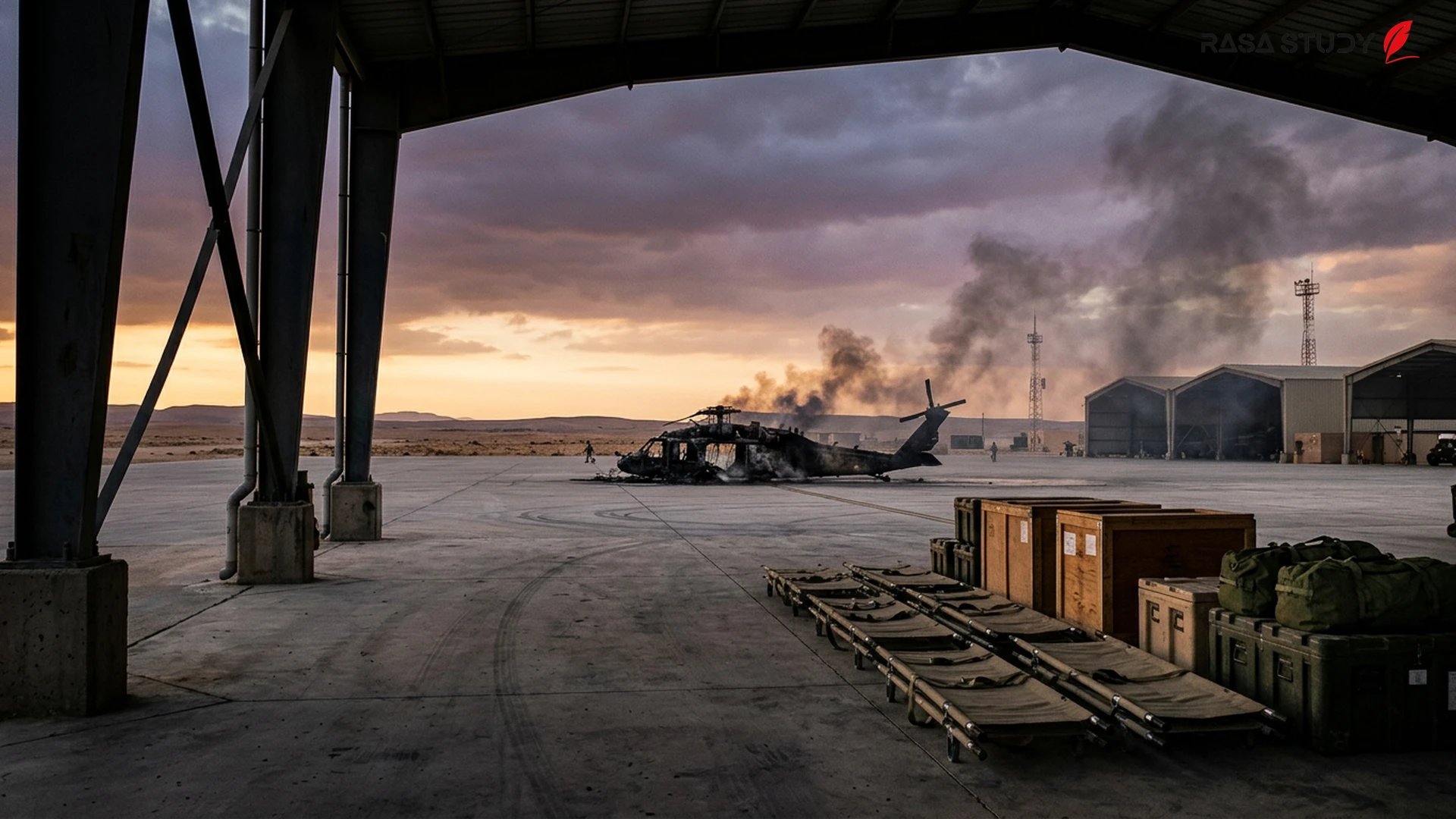
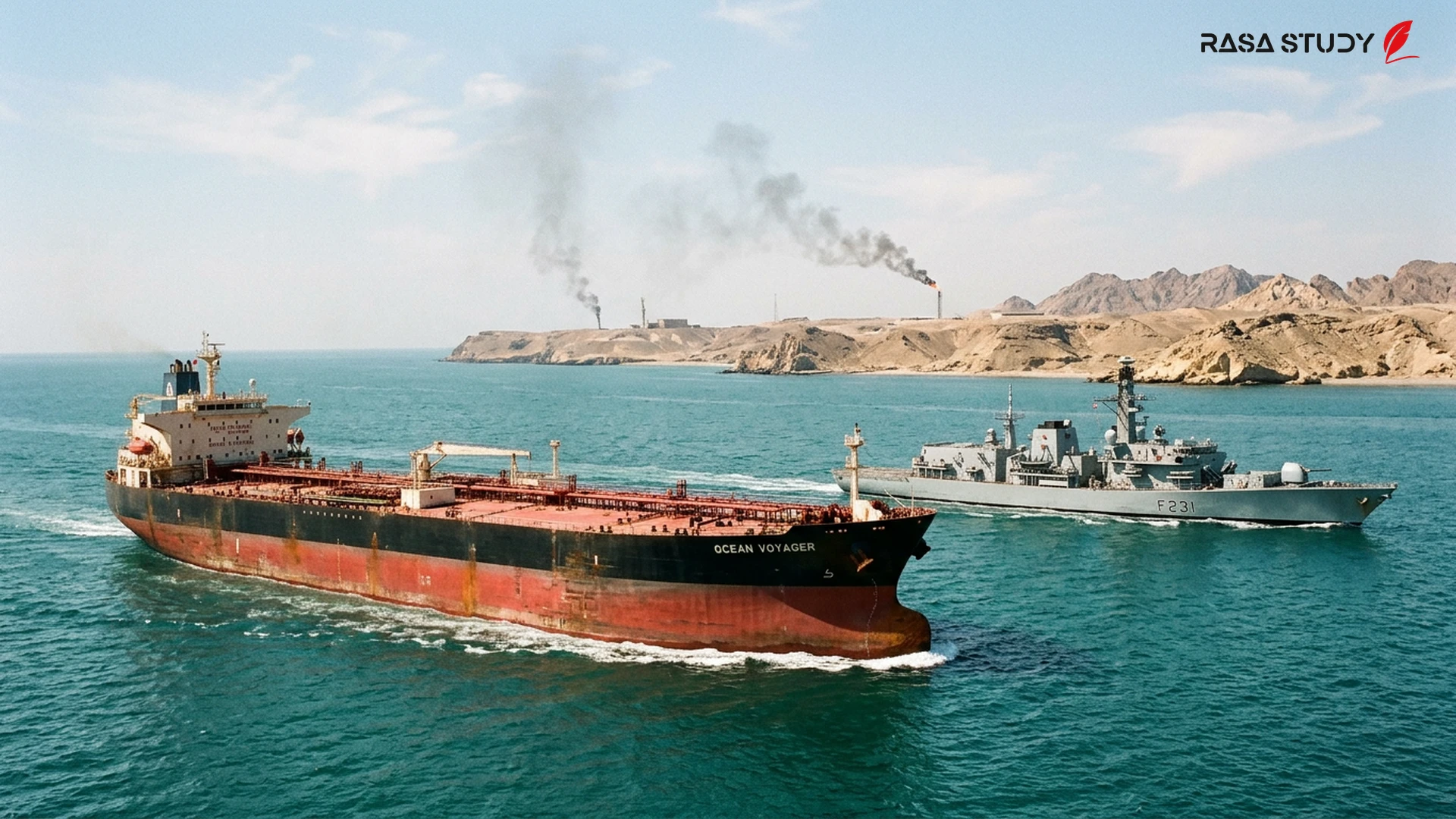
Escalation of Military Conflicts in the Strait of Hormuz These remarks come as multiple reports of reciprocal clashes between American and Iranian forces have been published over the past 48 hours. According to reports, the United States has targeted several Iranian radar sites, drone warehouses, and telecommunications facilities in response to an Iranian drone attack on a container ship and a Qatari oil tanker [2][5]. CENTCOM (United States Central Command) has stated that these strikes were carried out to defend freedom of navigation and in response to repeated violations of temporary ceasefire agreements.
Uncertain Fate of the June 2026 Agreement Recent tensions have put the fragile agreement signed between Tehran and Washington in early June 2026 at risk of collapse. While technical negotiations to stabilize the ceasefire were supposed to continue in Switzerland, reports indicate that these talks have been suspended or moved to Doha, Qatar, due to the recent attacks [3]. Iran insists that full control of the Strait of Hormuz is its sovereign right, while the United States considers the area an international waterway where passage should not be affected by political pressure [2].
Diplomacy Under the Shadow of Military Threat Despite the harsh tone of American officials, Waltz noted that President Trump always gives diplomacy a chance, but "the President's patience is not eternal" [1]. Meanwhile, diplomatic sources have announced that a new round of emergency talks is scheduled for June 30 in Qatar to prevent a full-scale war in the region [3]. The global energy market is also following these developments with concern, as any prolonged blockage in Hormuz could drive oil prices to unprecedented records.
Military tensions in the Strait of Hormuz once again challenge global energy security.
linkSources
- Hürmüz trafiğini engellediği sürece İran'ı vuracağız — CGTN Türk (2026-06-28)
- Iran insists it has sole control of Hormuz, ignoring Trump's threats — Washington Post (2026-06-29)
- U.S. and Iran agree to cease hostilities and hold talks in Doha — The Hindu (2026-06-29)
- ABD'nin BM Daimi Temsilcisi Waltz: Hürmüz trafiğini engellediği sürece İran'ı vuracağız — T24 (2026-06-28)