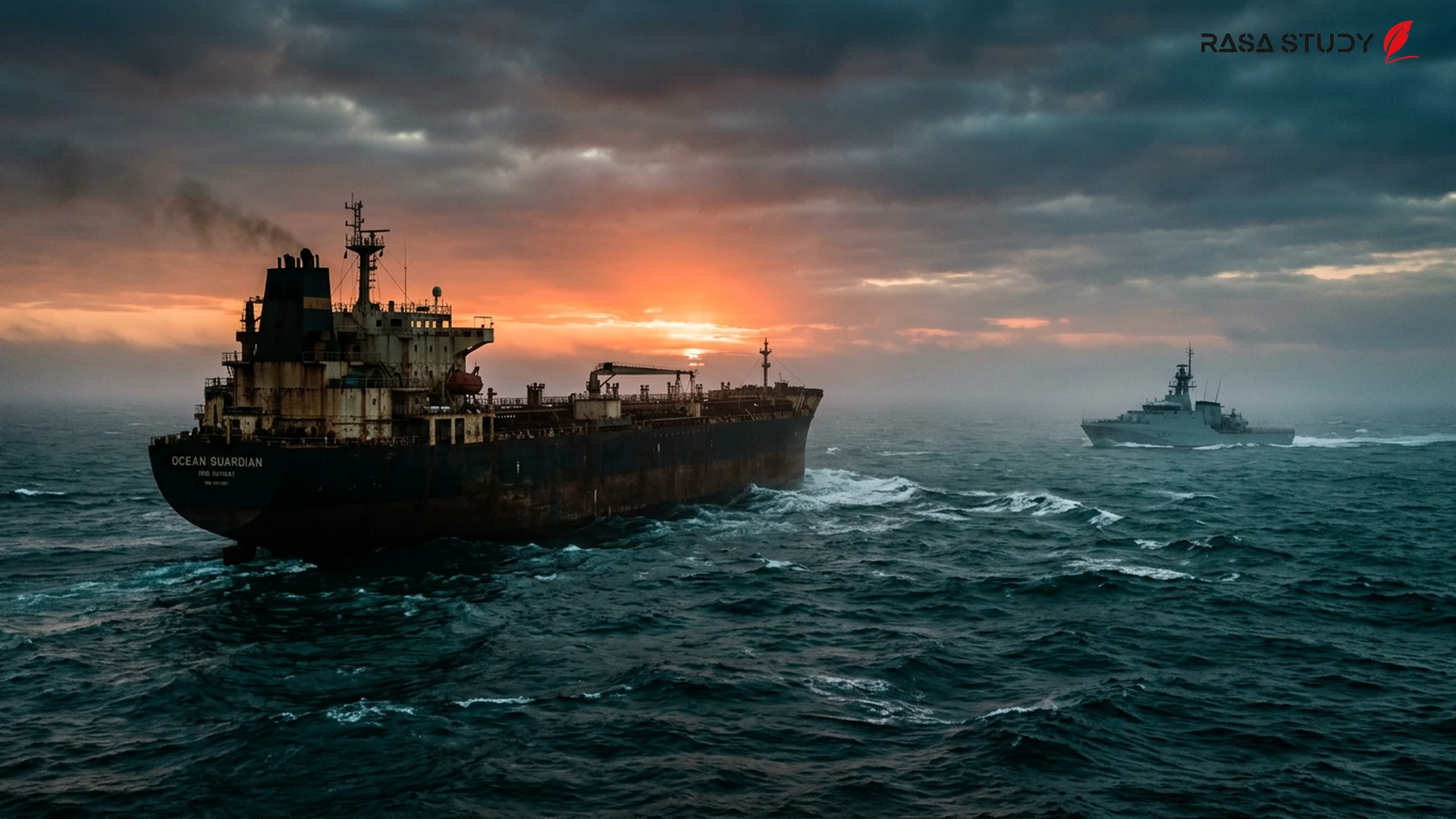
With the tightening of US oversight on Iranian oil exports in July 2026, reports indicate a widespread rerouting of Tehran-linked tankers to evade sanction radars and maintain energy export flows.
Intensification of US Maritime Oversight Based on recent reports from credible news sources and energy market analyses [1], the United States has launched a new round of operational pressure to limit Iranian oil exports. These actions, referred to as "tightening the noose," include more precise tracking of "shadow fleet" vessels and imposing secondary sanctions on international shipping companies cooperating with Tehran. Washington has declared its goal to minimize Iran's oil revenues.
Tanker Strategy Shift in International Waters Vessel tracking data in mid-July 2026 shows that a significant number of tankers carrying Iranian oil changed their usual routes in the Persian Gulf and the Sea of Oman immediately after the announcement of new restrictions [2]. These vessels use complex tactics such as turning off Automatic Identification Systems (AIS) and conducting ship-to-ship (STS) transfer operations in remote oceanic areas to stay hidden from US and allied surveillance radars. This behavioral change reflects the rapid response of Iran's logistics network to new threats.
Market Reaction and Economic Consequences Economic analysts believe these sudden shifts in maritime routes significantly increase the logistics and insurance costs of Iranian oil exports. Despite Tehran's efforts to bypass sanctions, strict oversight by the US Treasury Department has caused traditional oil buyers in Asia to act with more caution [3]. This situation could lead to increased Iranian oil discounts to attract customers, resulting in a decrease in the country's net foreign exchange earnings.
Regional Geopolitical Outlook Recent tensions in shipping routes not only affect the global energy market but also overshadow maritime stability in strategic points like the Strait of Hormuz and Bab el-Mandeb. The United States has increased maritime patrols by strengthening its fleet presence to ensure full implementation of sanctions. This attritional confrontation at sea represents a new chapter of maximum pressure that could alter power equations in the Middle East in the coming months.
Rerouting of Iranian-linked tankers following increased US oversight pressure in summer 2026.
linkSources
- ABD ablukayı sıkılaştırdı: İran bağlantılı tankerler rota değiştiriyor — BloombergHT (2024-04-10)
- US Sanctions and the Iranian Ghost Fleet — Reuters (2026-07-15)
- Treasury Targets Iranian Petroleum Shipping Network — US Department of the Treasury (2026-07-10)