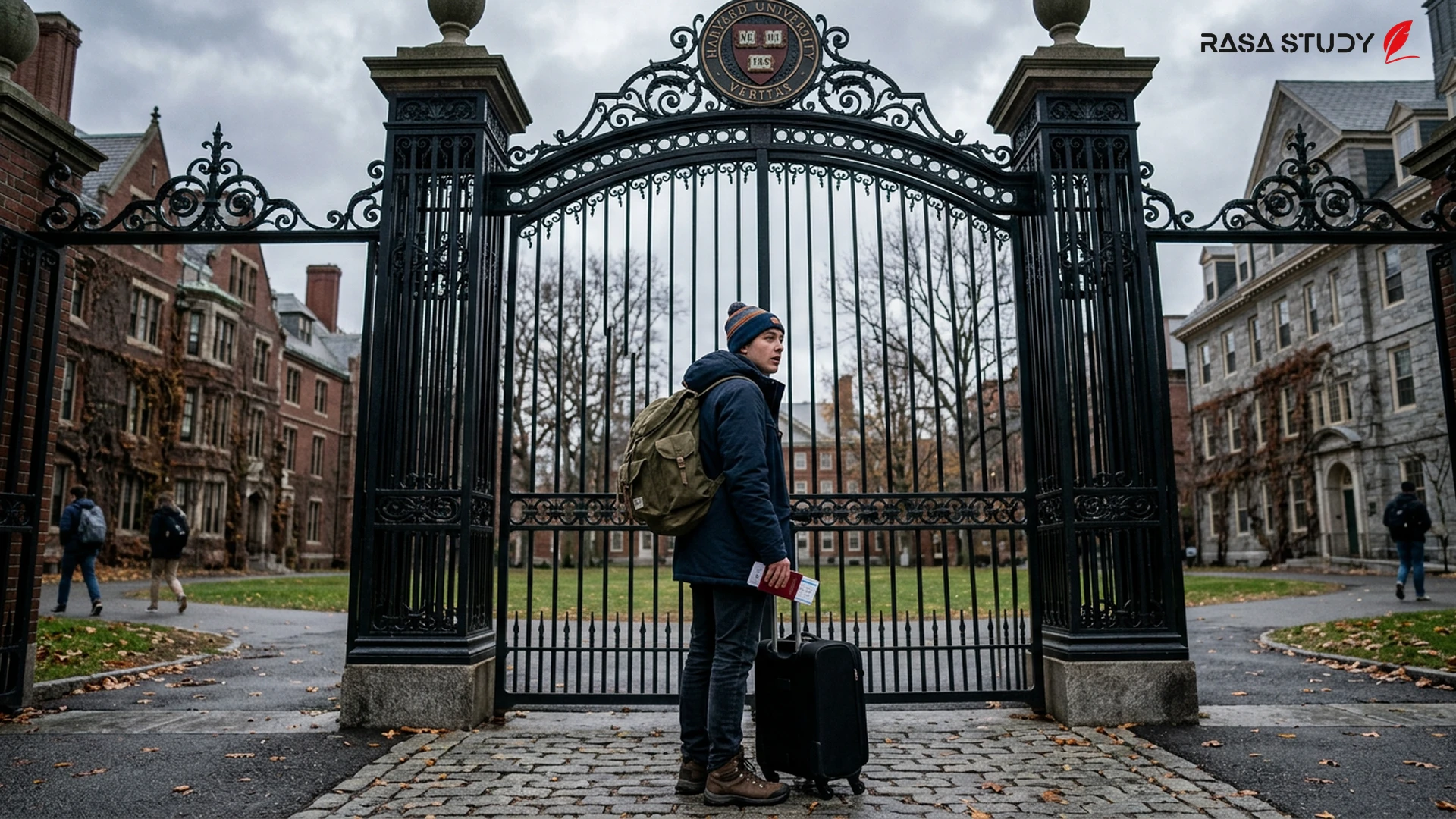
While study abroad costs have reached historic peaks, new reports in July 2026 show that the United States and the United Kingdom remain the primary destinations for the global elite, maintaining their positions at the top of the educational map.
Continued Academic Dominance in 2026 Despite global economic fluctuations, the United States and the United Kingdom continue to be recognized as the primary hubs for student recruitment in 2026. According to published statistics, these two countries host more than 1.8 million international students [2]. The prestige of the Russell Group universities in the UK and Ivy League institutions in the US is a factor that convinces students to choose this path despite high costs. Recent reports show that 98% of business leaders believe studying in these international environments has had a direct impact on their professional growth and strategic thinking [1].
Cost Analysis: Investment or Financial Risk? One of the biggest challenges of 2026 is the unprecedented increase in tuition fees. In the United States, the annual cost of studying at private universities can exceed $80,000, while in the UK, this figure for engineering and medicine reaches over £38,000 [2]. However, students still view these amounts as a long-term investment. The shorter duration of undergraduate programs in the UK (three years compared to four years in the US) has become one of the country's competitive advantages, as it significantly reduces overall living and tuition costs [2].
Legal Challenges and Visa Changes in the United States In July 2026, new US immigration policies created a wave of concern among student communities. The Department of Homeland Security (DHS) announced the end of the "Duration of Status" rule, replacing it with fixed four-year residency periods [4]. This change means increased bureaucracy and the need for frequent visa renewals, which could affect the US's attractiveness in the long run. In contrast, the UK is trying to maintain its market share by offering the "Graduate Route" visa, which allows two years of work after graduation without the need for a sponsor [2].
Emergence of New Competitors and Shifting Student Strategies Although the US and UK remain leaders, their market share is slowly declining. Countries like Germany, Canada, and Australia are becoming serious competitors by offering more affordable options and easier residency paths [3]. For example, in Vietnam, one of the largest student exporters, the inclination to study in Asian countries like Japan and South Korea is increasing due to lower costs and cultural proximity [1]. However, for students seeking access to innovation ecosystems like Silicon Valley or London's financial centers, the US and UK remain the first choice.
Despite rising costs, US and UK universities remain in highest demand globally.
linkSources
- 190,000 Vietnamese students studying abroad are still holding their breath — Vietnam.vn (2026-07-14)
- UK vs USA 2026: A Side-by-Side Comparison for International Students — Study-Abroad.org (2026-03-24)
- International education trends 2026: The Big Four and beyond — HEPI (2026-01-08)
- US government to end Duration of Status for international students in September 2026 — ICEF Monitor (2026-07-16)