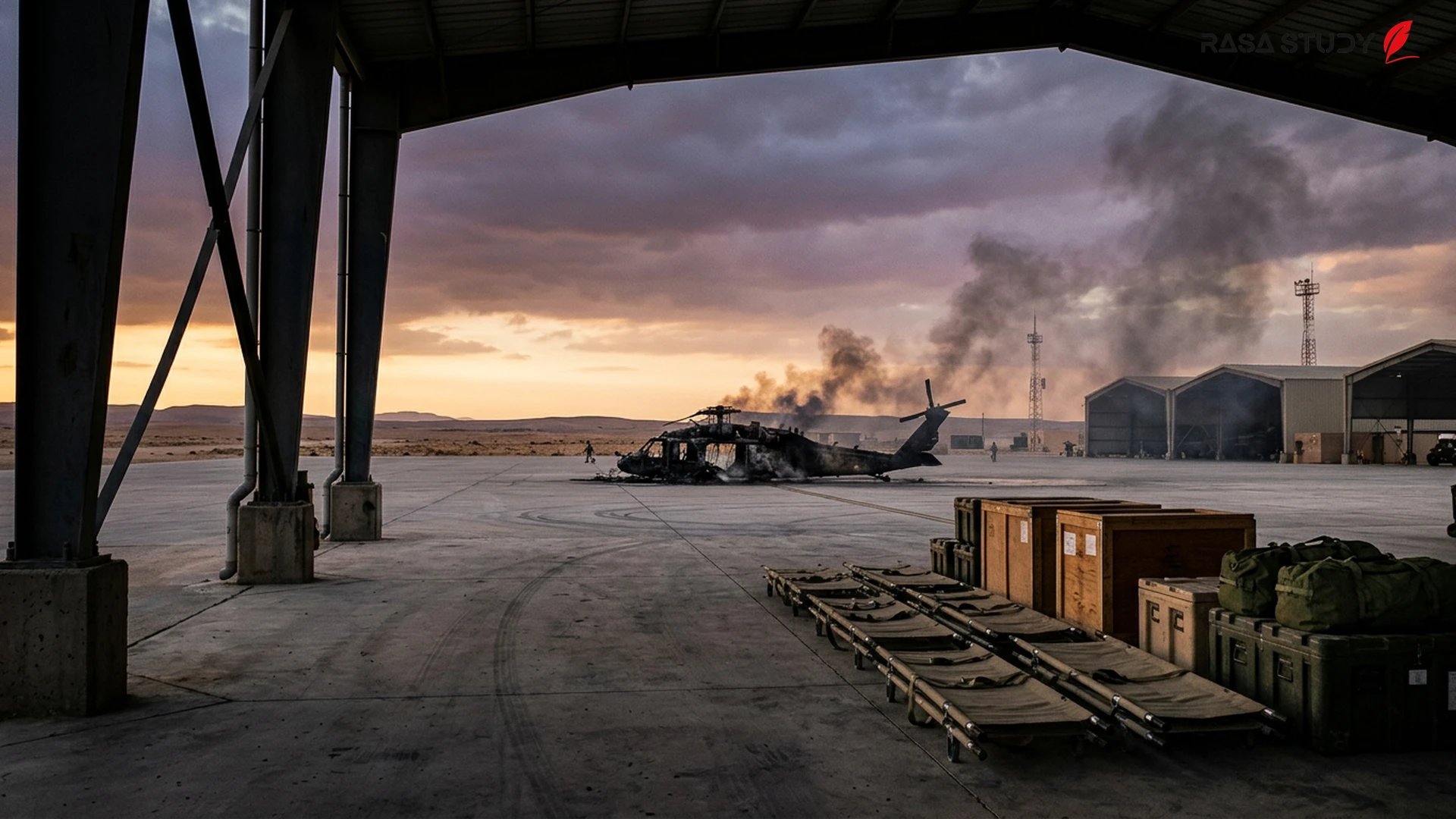
U.S. Vice President JD Vance issued a direct warning to Tehran officials, stating that any violent action against American interests will be met with a reciprocal and severe reaction. These remarks follow recent retaliatory strikes in the region.
On June 28, 2026, relations between Washington and Tehran have once again reached a critical stage. U.S. Vice President JD Vance, in a message posted on the social network X, clearly articulated the Trump administration's stance regarding recent Iranian movements in the Persian Gulf. He emphasized that while the United States remains committed to diplomatic agreements, it will not retreat in the face of military threats [1].
The Vance Doctrine: "Violence for Violence" In his statement, Vance directly addressed potential violations of recent understandings, writing: "Iran signed a ceasefire agreement, and we have respected it. If they have a dispute regarding the implementation of this Memorandum of Understanding (MOU), they can call and discuss it; but violence will be met with violence" [2]. These remarks were made after the U.S. Central Command (CENTCOM) conducted strikes against Iranian missile and drone depots in response to an attack on a commercial vessel in the Strait of Hormuz.
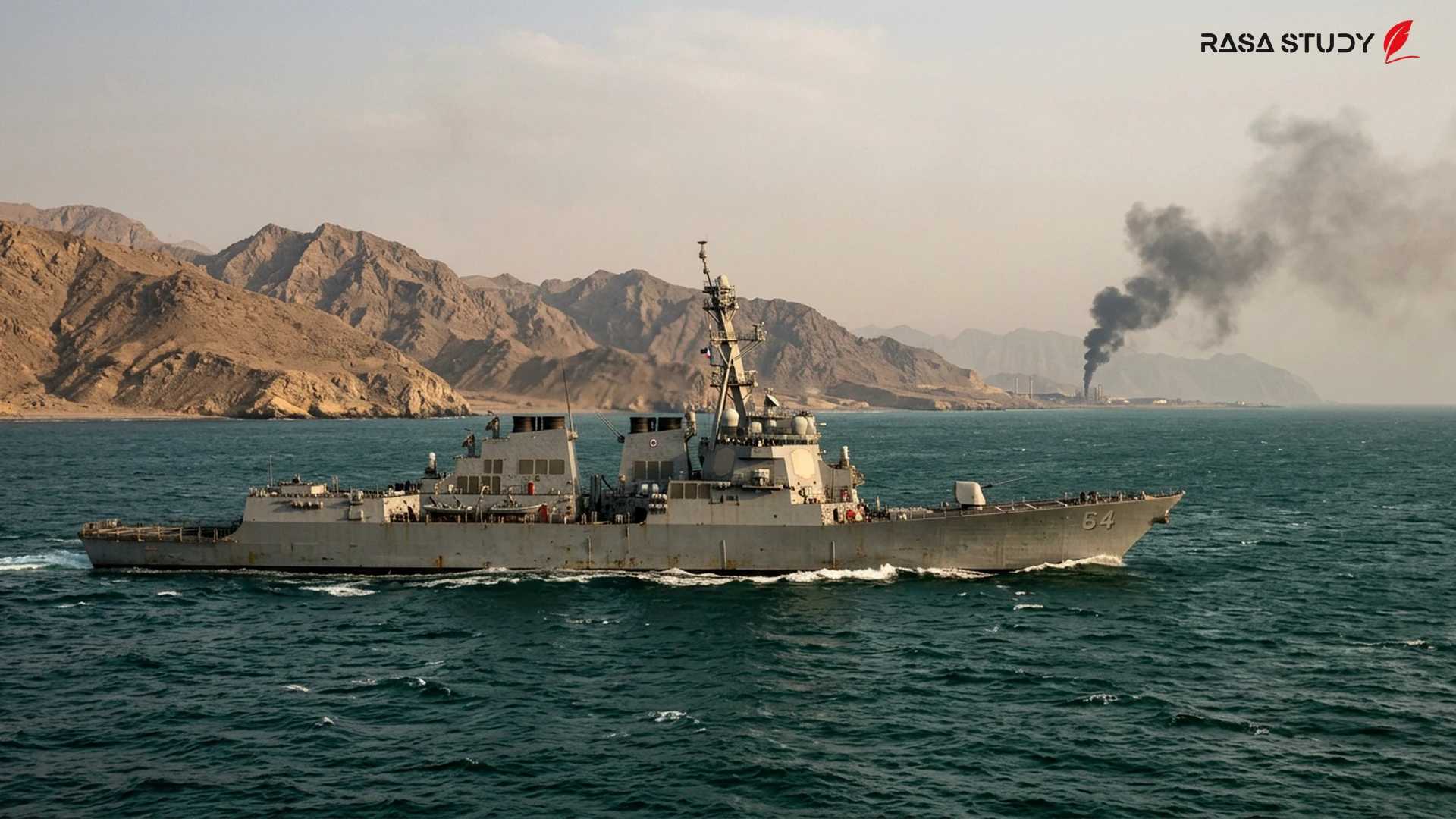
Tension in the Strait of Hormuz and Ceasefire Violations Reports indicate that in recent days, a Singapore-flagged cargo ship was targeted by a drone attack near the coast of Oman. Washington views this action as a clear violation of the fragile ceasefire signed just weeks ago in Switzerland [1]. In response to this incident, the U.S. military targeted radar facilities and drone bases in coastal areas to maintain deterrence in this vital waterway [5].
The Fate of Nuclear Negotiations and Regional Peace These tensions occur despite Vance previously speaking of "historic" progress in the Lucerne negotiations. He had claimed that Iran's nuclear program was largely restricted and that the U.S. would be the "winner" of this confrontation regardless [3]. However, recent events demonstrate that the path to a lasting agreement is far more difficult than initial predictions suggested. In recent interviews, Vance emphasized that if Tehran does not seek a change in behavior, Washington has all military and economic options on the table to paralyze the country's offensive capabilities [3].
International Reactions and Consequences Tehran officials, reacting to these statements, have called the U.S. strikes a violation of their sovereignty and the initial agreements. Nevertheless, Vance believes that regional powers and America's Arab allies support Washington's decisive approach, as maritime security in the Strait of Hormuz is vital for the global economy [4]. Analysts believe the coming days will be decisive in determining the fate of this "fragile ceasefire" and the possibility of a broader conflict in the Middle East.
JD Vance warned in June 2026 that the U.S. will not remain silent against Iranian attacks in the Strait of Hormuz.
linkSources
- VP Vance warns US will respond to any Iran attack with 'violence' — India Today (2026-06-27)
- JD Vance warns Iran: Any military action will be met with retaliation — OmidRadio (2026-06-27)
- JD Vance claims US holds all the cards in Iran and will win 'either way' — The Guardian (2026-06-27)
- U.S. and Iran agree to framework to end war, reopen Hormuz — Al-Monitor (2026-06-15)