While millions of students in Turkey await the life-changing results of the 2026 Higher Education Institutions Exam (YKS), the revelation of scientific and technical errors in the exam questions has turned the issue of national assessment security and credibility into an educational crisis.
Only a few weeks after the administration of Turkey's national university entrance exam (YKS) in June 2026, official statements from the country's assessment body (ÖSYM) regarding the cancellation and modification of question keys have sent a major shock through the educational community. According to reports published on July 2, 2026, these ambiguities have not only affected the academic fate of candidates but have also returned the issue of exam security to the forefront of media discourse [1].
Details of Scientific Errors in the AYT Exam According to an official announcement by ÖSYM on July 1, following a review of scientific objections, it was revealed that gross errors occurred in the Field Qualification Test (AYT). Question number 20 in the Turkish Literature and Social Sciences-1 booklet, which concerned characters from the novel "Handan" by Halide Edib Adıvar, was completely cancelled due to errors in character names [2]. Additionally, the answer key for mathematics question number 23, previously announced as option "C", was changed to option "A" after re-analysis [4]. These sudden changes on the eve of the results announcement have necessitated a recalculation of scores for all candidates and intensified concerns regarding the violation of students' rights.
Harsh Reaction from Education Unions to "Structural Inefficiency" The Education and Science Workers' Union (Eğitim Sen) issued a sharp statement titled "ÖSYM Did Not Surprise Us Again," severely criticizing the organization's performance. The union believes that the government's focus on installing cameras in teachers' rooms and searching lockers under the pretext of "exam security" is a misdirection [3]. According to this body, the primary problem of exam security lies in structural processes—namely question design, scientific review, and academic supervision—which clearly failed in the 2026 exam [1].
Psychological and Social Consequences for Candidates A report by Bianet indicates that these ambiguities have created a sense of injustice and intense anxiety among teenagers who have spent years preparing for this competition [1]. Educational experts warn that when scientific errors are designed into a national exam of this scale, public trust in the state education system collapses. Candidates are now concerned about whether the re-grading process based on the new key will be conducted with full transparency [3].
The Necessity of Reforms in ÖSYM Critics and measurement and evaluation specialists emphasize that the recurrence of such errors in 2026 demonstrates an urgent need for the scientific independence of ÖSYM and the utilization of independent experts in the question design stages. While government officials previously emphasized the stability of the current system, recent events have shown that without structural reforms in the supervision and final verification of questions, true exam security will not be achieved [5].
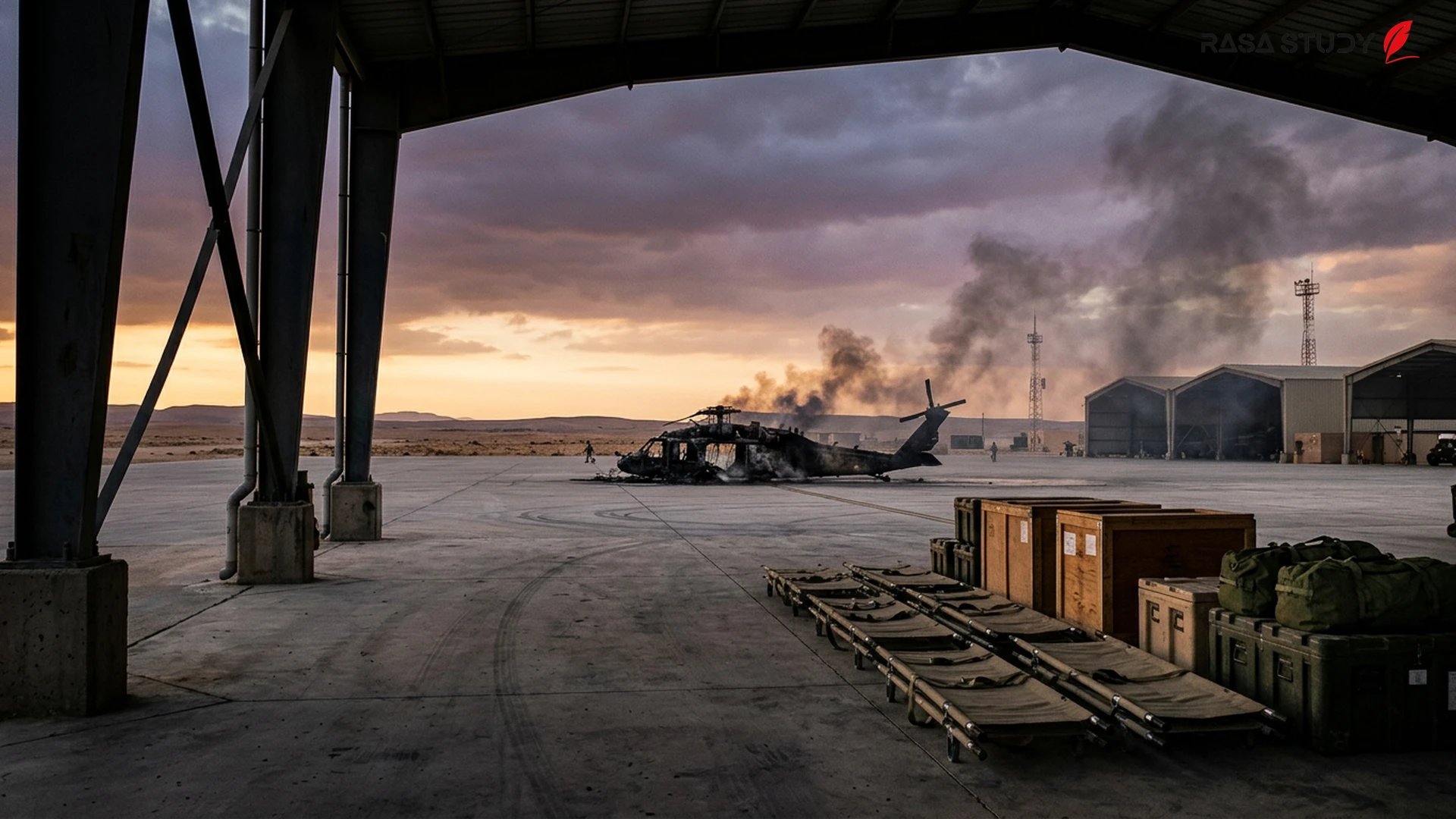
Errors in the design of Turkey's 2026 entrance exam questions have led to a review of scores for millions of candidates.
linkSources
- YKS’deki hata ve belirsizlikler sınav güvenliğini yeniden tartışmaya açtı — Bianet (2026-07-02)
- 2026-YKS'de bir soru iptal edildi — Anadolu Ajansı (2026-07-01)
- Eğitim Sen: ÖSYM Yine Şaşırtmadı; YKS'de Bir Kez Daha Hata, Belirsizlik ve Güvensizlik Yaşandı — Habere Güven (2026-07-02)