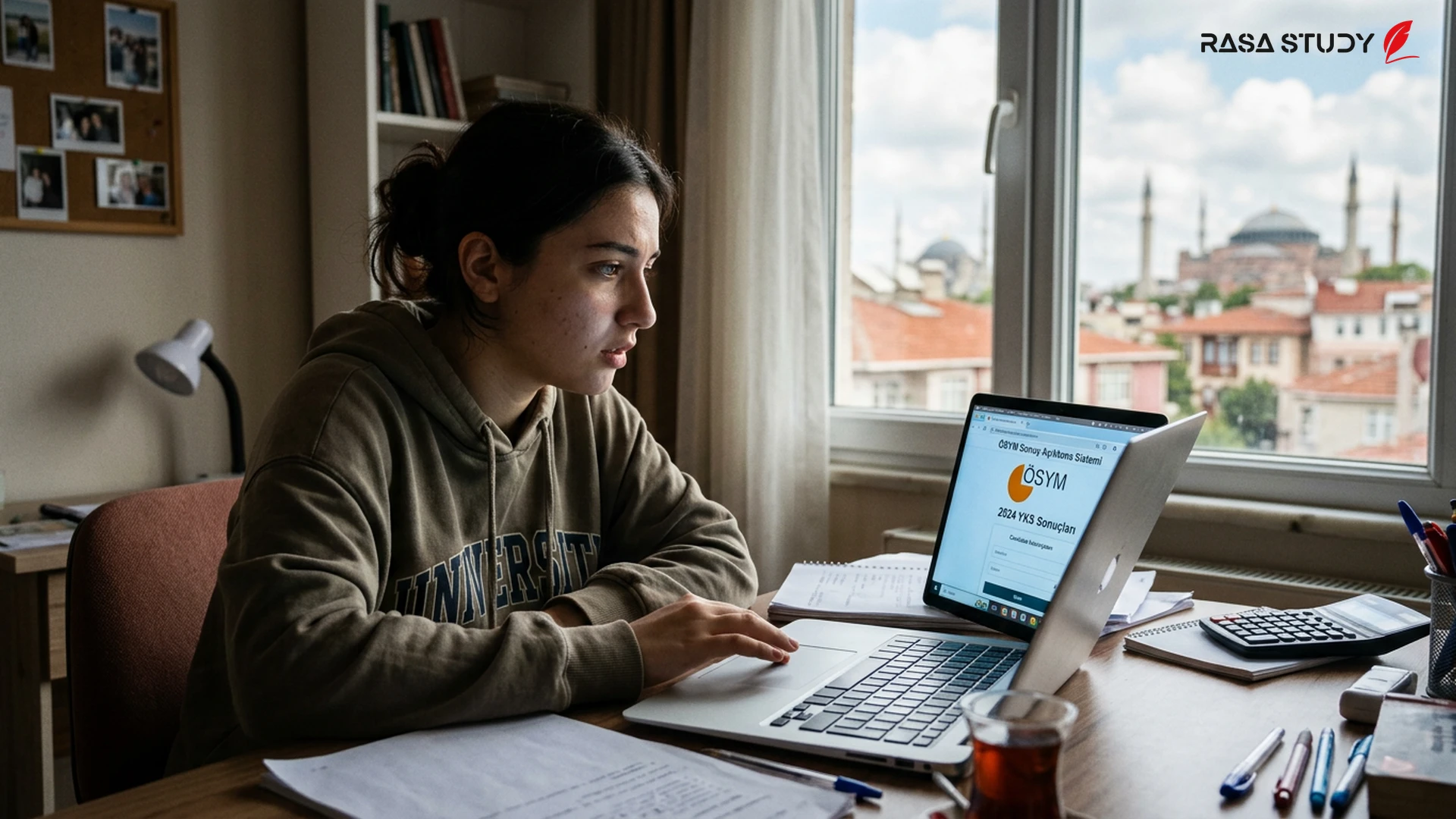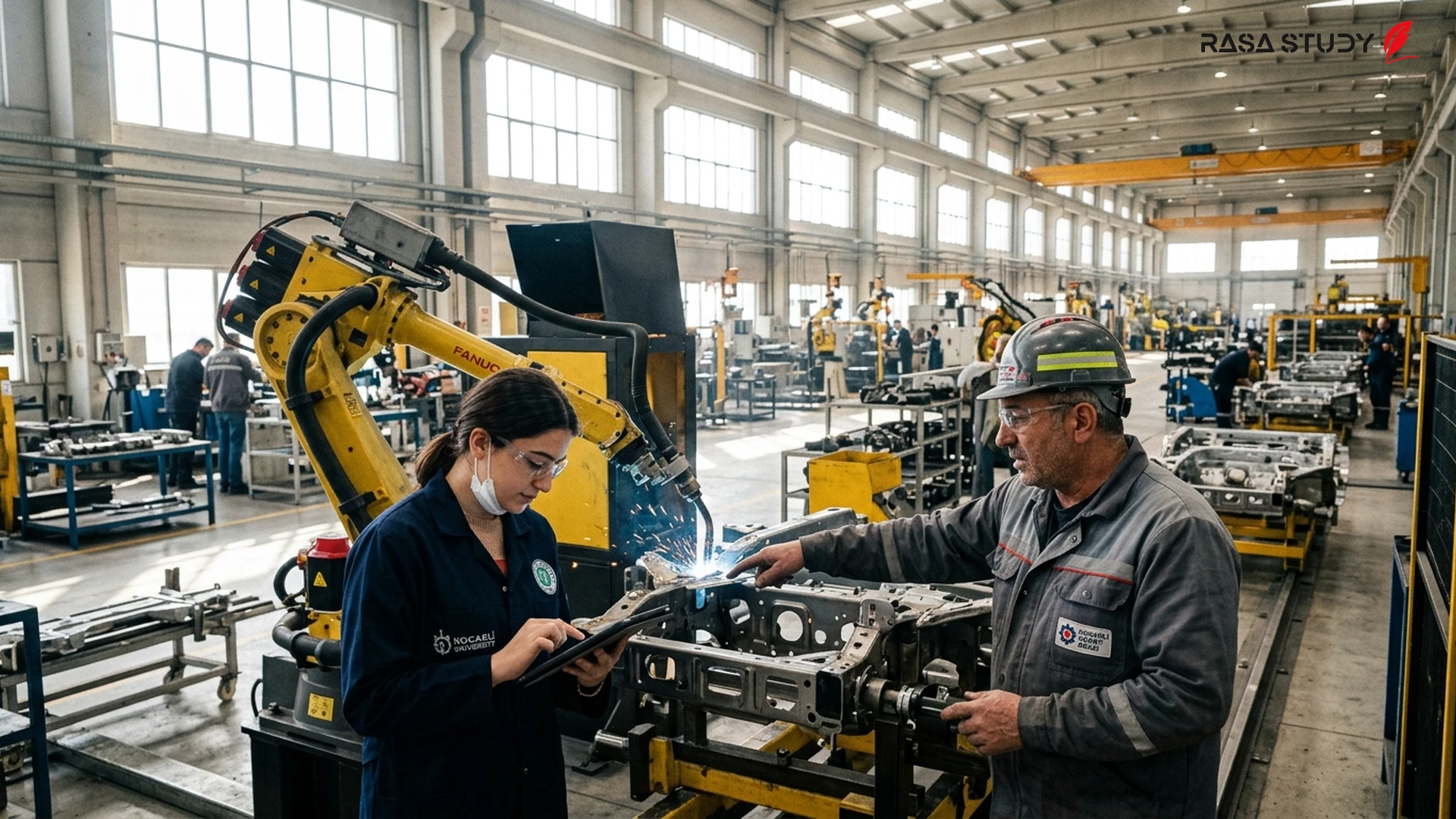
The Council of Higher Education of Turkey (YÖK) has initiated a structural transformation in the professional higher education system by introducing the new 'Workplace Training' model. This plan aims to directly link universities and industry, replacing short-term internships.
The Council of Higher Education of Turkey (YÖK) announced the implementation of a massive reform program in June 2026, described as a 'historical transformation in vocational training.' This plan, officially unveiled at a meeting in Gaziantep, seeks a fundamental change in how students interact with the world of business and industry before graduation [1].
The New İME Model: Beyond a Simple Internship Erol Özvar, the President of YÖK, explained the plan by stating that the era of short and symbolic internships has ended. In the new model, named 'Vocational Education in the Workplace' (İME), students will spend a significant portion of their education directly within industrial and commercial environments [2].
According to this new structure, 3+1 models (three semesters at university and one semester in industry) will be implemented for associate degrees, and 7+1 or 6+2 models for bachelor's degrees. This means students will spend at least one or two full semesters in a real work environment as part of the official, credit-bearing curriculum [3].
Pilot Implementation in Turkey's Industrial Hubs This major transformation is being implemented in its first phase as a pilot in 7 key Turkish provinces, including Gaziantep, Konya, Istanbul, Bursa, Kocaeli, Izmir, and Ankara. The program currently covers 185 departments and approximately 120,000 students [1].
The selection of provinces like Kocaeli and the Gebze region is due to the high concentration of industries in these areas. Universities in these regions, including Kocaeli University, had previously prepared the necessary foundations to adapt to this model to ensure that students acquire the skills needed to enter the labor market immediately after graduation [4].
Participation of Industrialists in University Management One of the unprecedented aspects of these reforms is YÖK's invitation to industry owners to participate in the management and development of educational curricula. Addressing industrialists, Erol Özvar said: 'Let us manage vocational schools and develop textbooks together' [2].
The goal of this call is to ensure that the education provided in universities precisely matches the current needs of technology and the labor market. In this model, the student's presence in the workplace is jointly evaluated and graded by university professors and industrial supervisors, which significantly increases the value of the degree in the job market [3].
Erol Özvar, President of YÖK, explaining the new workplace training model in Gaziantep
linkSources
- YÖK'ten mesleki eğitimde tarihi dönüşüm — Kocaeli Gazetesi (2026-06-12)
- YÖK Başkanı Özvar: İstihdam odaklı yeni bir dönüşüm süreci yürütüyoruz — DHA (2026-06-12)
- YÖK'ten mesleki eğitim atağı! Klasik staj tarih oluyor — Takvim (2026-06-12)
- KOÜ'de Mesleki Eğitim Uygulamaları Değerlendirildi — Gebze Haber (2026-05-04)