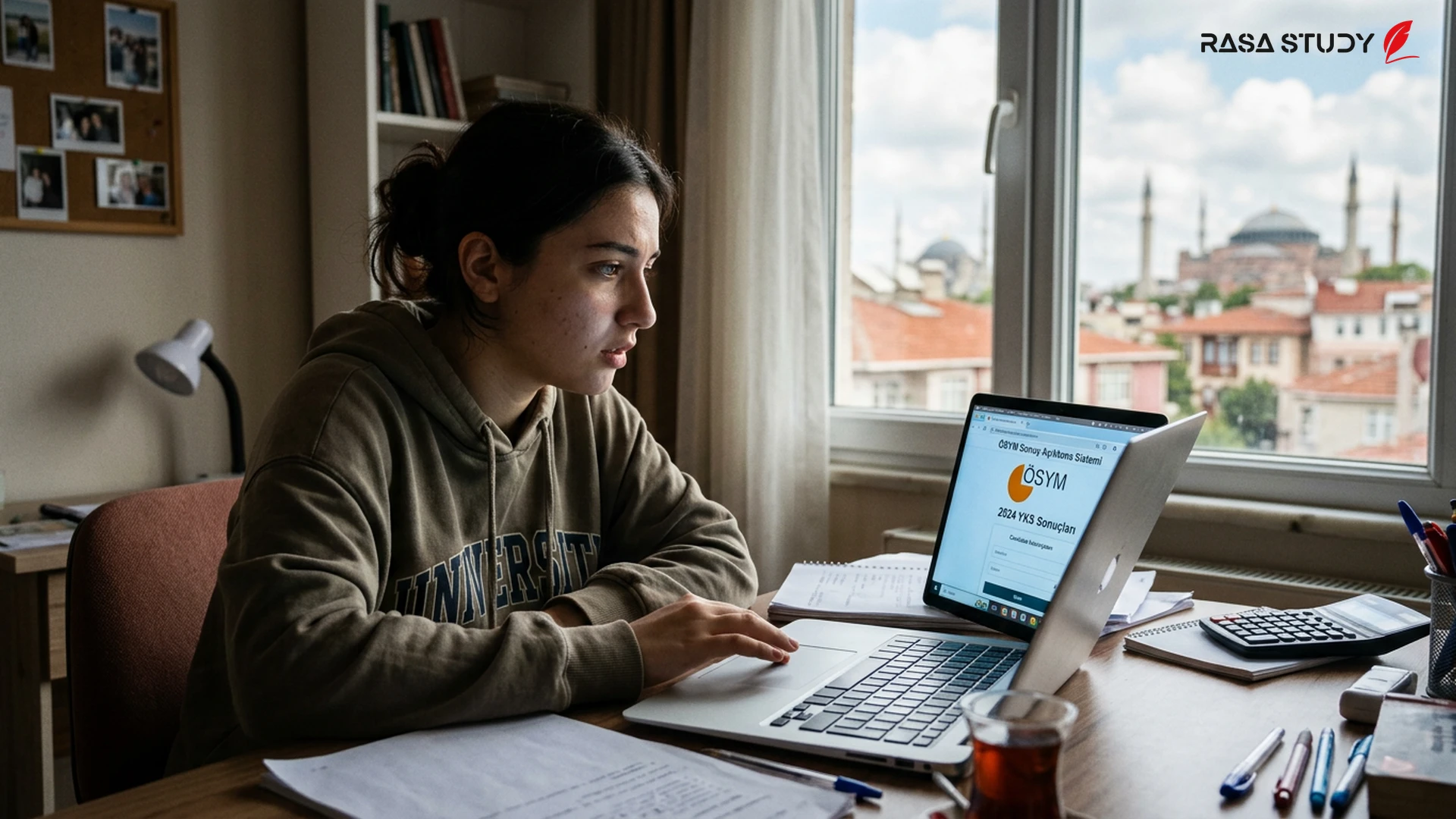
Asila Ayık, a university student detained for civil activities and participation in student protests, has finally been acquitted by the court. After her release, she emphasized the irreparability of the time spent in prison.
End of a Long Trial and Issuance of Acquittal
After months since the beginning of the judicial process and enduring a period of imprisonment, the court finally ruled to acquit Asila Ayık, the protesting student. This case, which attracted the attention of many human rights organizations and student activists, ended with a verdict demonstrating her complete innocence of the charges [1]. Ayık, who was detained during university protests, emphasized her legal right to peaceful protest throughout the entire judicial path.
Irreparable Costs of Imprisonment and Detention
Immediately after the announcement of the acquittal, Asila Ayık spoke to the media about her bitter experience during her time in prison. She stated explicitly: "Although justice was served today and I was acquitted, we must remember that the time spent in prison will never return" [2]. These remarks reflect the suffering of many students who, due to political and union activities, spend the best years of their youth in court corridors and prison cells.
She further added that the psychological and social pressures resulting from accusatory labels are damages that are not easily repaired even with an acquittal. She emphasized that the judicial system must review the issuance of temporary detention orders to prevent the violation of citizens' rights before guilt is proven [1].
A Look at the Case Background and Reactions
Asila Ayık's case has been part of a larger trend of crackdowns on student movements in recent years. Many civil organizations believe that her detention was politically motivated from the beginning [3]. The Cumhuriyet newspaper noted in a report that the acquittal of this student could provide hope for other similar cases, although the human costs paid by these individuals are very heavy.
State of Freedom of Expression in Academic Environments
Ayık's acquittal has once again sparked debates surrounding freedom of expression and the right to protest in universities. Human rights activists believe that using judicial tools to suppress student demands only leads to the deepening of social rifts. Asila Ayık's case is a clear example of standing by principles and ultimate legal victory, but the main question remains: who is responsible for the lost years of these young people? [2].
This verdict is issued while Turkish civil society and international observers are closely monitoring judicial processes related to individual freedoms. Although the acquittal of Asila Ayık is considered a legal victory, it serves as a reminder of the need for structural reforms in the judicial system to prevent the recurrence of such bitter experiences.
Asila Ayık after the acquittal: Time spent in prison is irreparable.
linkSources
- Üniversite öğrencisi Esila Ayık beraat etti: ‘Cezaevinde geçirdiğimiz süre geri gelmeyecek’ — Cumhuriyet (2026-07-10)
- Boğaziçi davasında flaş gelişme: Esila Ayık hakkında karar — Gazete Duvar (2026-07-10)
- Rights Watch: Student Activists and the Judicial System in Turkey — Bianet (2026-07-09)