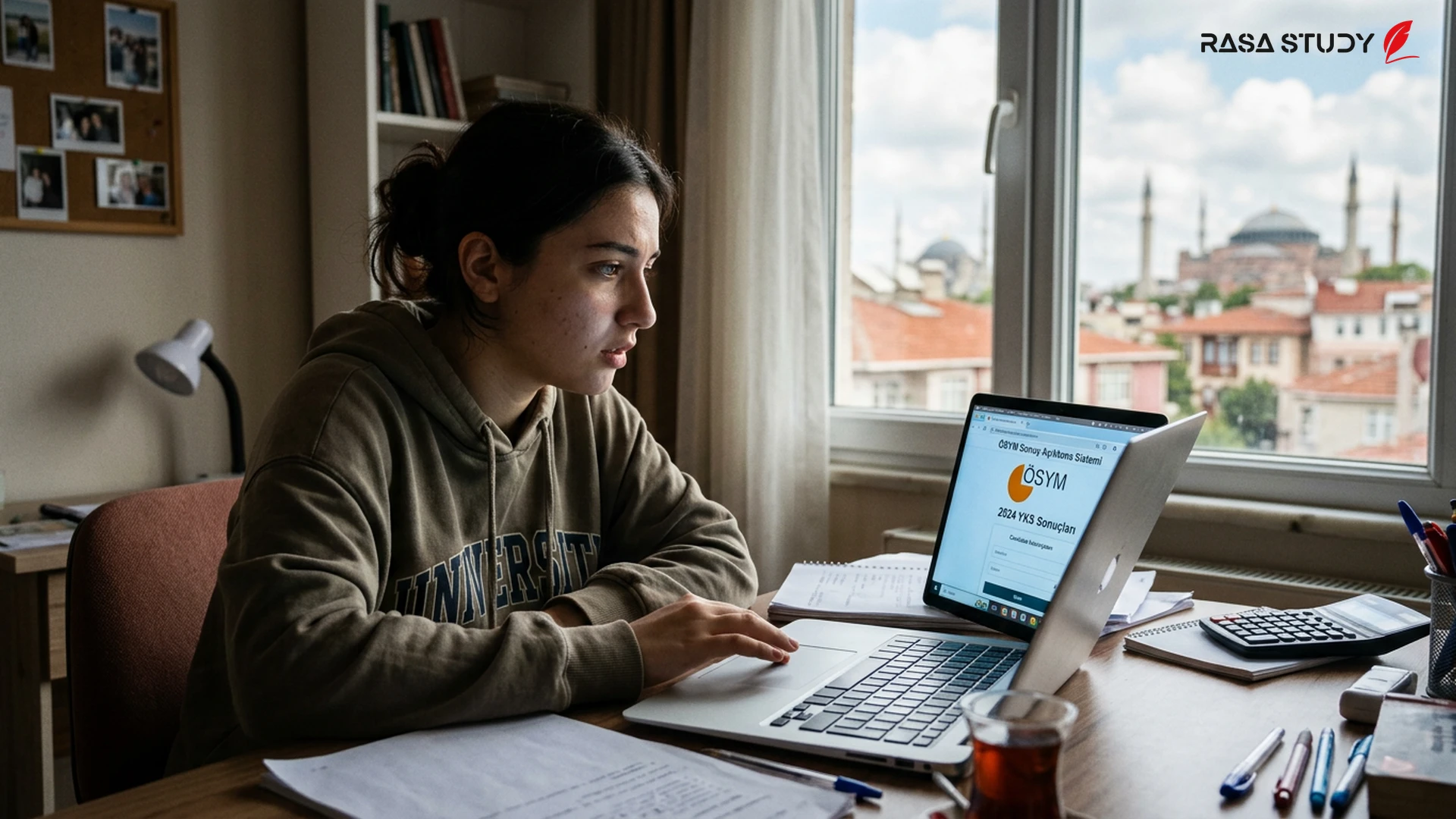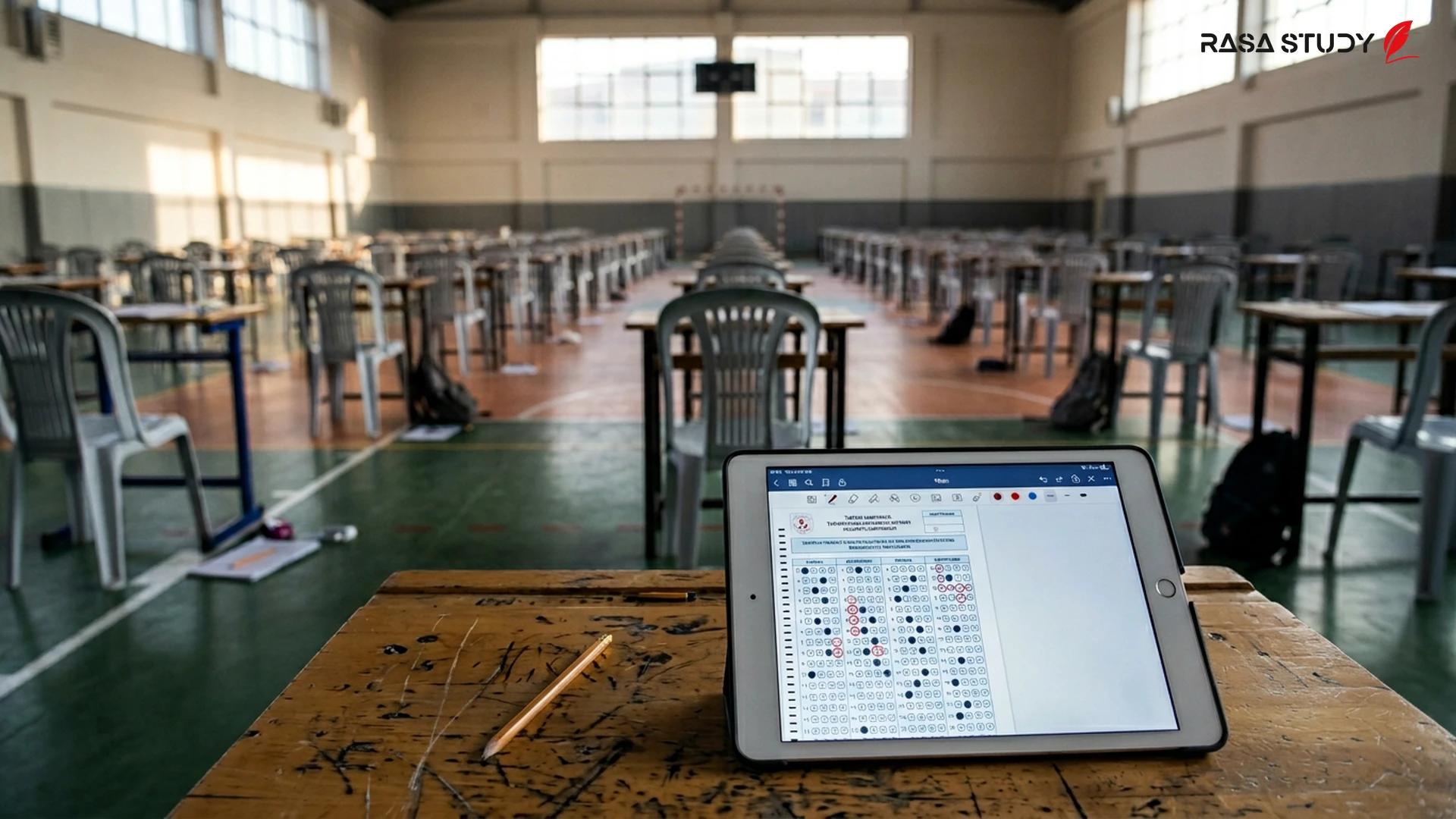
During the 2026 Turkish Higher Education Institutions Examination (YKS), an advanced artificial intelligence model participated in this academic competition, finishing with only 11 incorrect answers and sparking new discussions.
Details of AI Performance in the 2026 YKS Exam
Following the conclusion of the Turkish Higher Education Institutions Examination (YKS) in June 2026, reports published by NTV Haber indicate that the most advanced versions of artificial intelligence programmed to solve the exam questions delivered a stunning performance. Based on the extracted data, this AI model made only 11 mistakes across all sections of the exam [1]. This exam, which includes the Basic Proficiency Test (TYT) and the Field Qualification Test (AYT), is recognized as one of the most difficult educational filters in the region.
Why Did the AI Make 11 Mistakes?
Educational analysts and information technology experts believe that most of these 11 mistakes occurred in the literature and conceptual Turkish language sections. Despite significant advancements in Natural Language Processing (NLP), AI still faces challenges in understanding complex metaphors, cultural idioms, and multi-layered questions that require intuitive reasoning [3]. In the mathematics and natural sciences sections, the error rate of this model was nearly zero, demonstrating its unparalleled computational power in solving formula-based problems.
Comparison with Human Capabilities and Previous Years
Compared to the results from 2024 and 2025, AI in 2026 showed significant improvement in understanding geometry and physics questions. While the number of mistakes in logical sections was higher in previous years, this number reached a minimum this year [2]. However, 11 mistakes in an exam where millions of students compete still earns this machine a rank among the country's top elite. Experts believe these results indicate that AI is moving closer to the level of human understanding in analyzing specialized texts.
Implications of This Success for the Future of Education
The results of the 2026 YKS exam and the AI's performance have raised important questions about the future of educational assessment systems. If a machine can answer questions with such precision, should the design of entrance exam questions change? Many university professors in Turkey have suggested that exams should move toward measuring "critical thinking" and "creativity," areas where AI has not yet fully evolved [1]. This event marks a turning point in the interaction between technology and higher education in Turkey.
Artificial intelligence successfully answered most questions in Turkey's 2026 YKS exam, recording only 11 errors.
linkSources
- Yapay zeka YKS'de 11 yanlış yaptı: İşte o sorular — NTV Haber (2026-06-24)
- 2026 YKS Değerlendirmesi: Yapay Zeka ve İnsan Zekası Karşı Karşıya — TRT Haber (2026-06-22)
- YKS 2026 Soruları ve Yapay Zeka Analizi — Hürriyet (2026-06-23)