The rapid development of alternative energy routes in the Middle East has minimized global dependence on the Strait of Hormuz, presenting a serious and unprecedented challenge to Iran's strategic leverage over energy flows.
Transformation of the Regional Energy Map
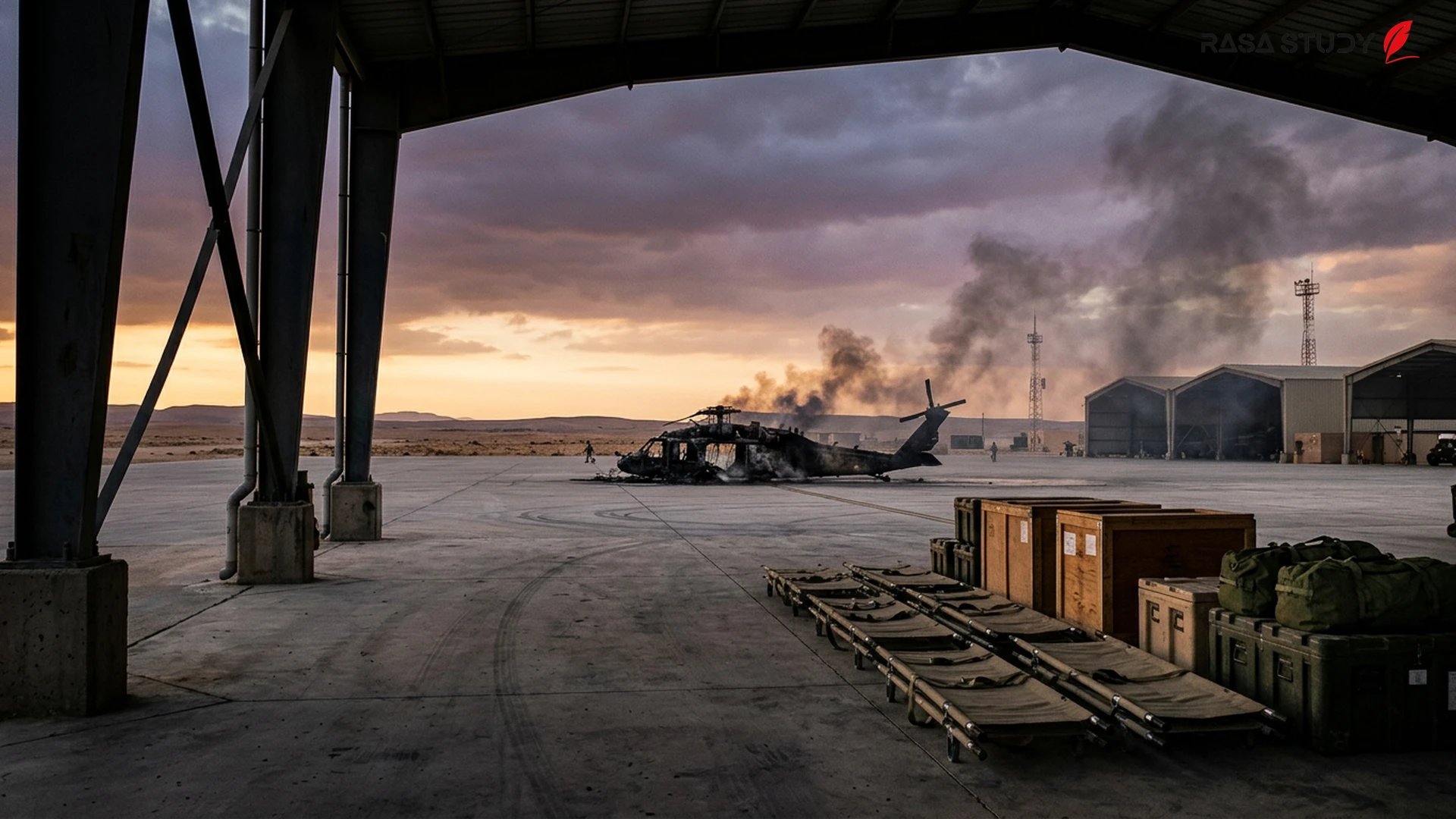
For decades, the Strait of Hormuz was recognized as the world's most vital energy bottleneck, which Iran utilized as a strategic leverage tool in international equations. However, reports published in July 2026 indicate that this situation is rapidly changing. According to an analysis by Anadolu Agency, the launch and expansion of alternative routes have significantly impacted Iran's maneuvering power in this region [1]. These changes carry not only economic aspects but also deep security and geopolitical dimensions for the Persian Gulf countries and major energy consumers.
Iraq’s Development Road: A Rival to Traditional Routes
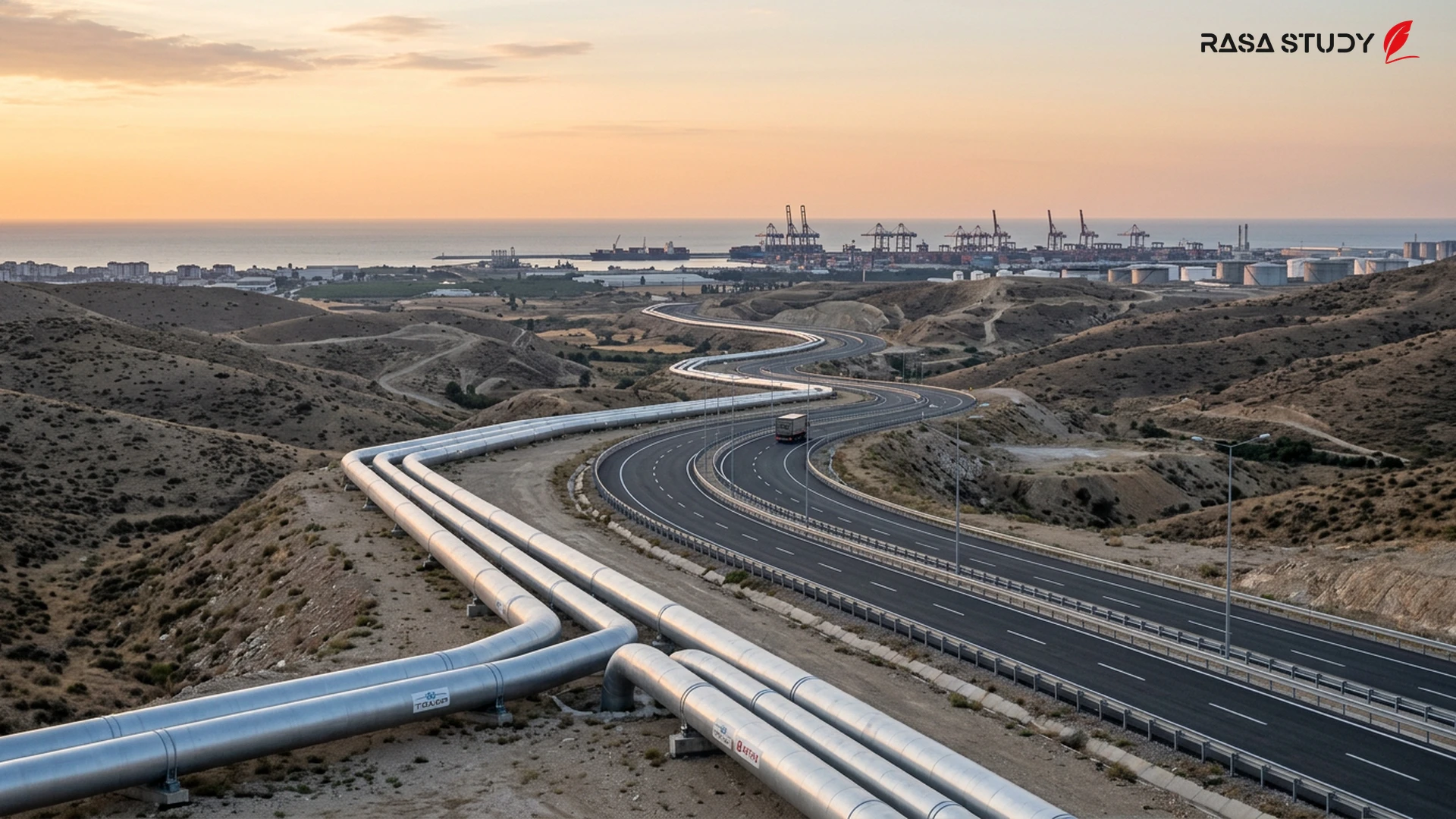
One of the most significant projects shifting the balance of power is Iraq's "Development Road." This mega-project, connecting the Grand Faw Port in Basra to Turkey’s rail and road network, is now in advanced operational stages [2]. This route allows producing countries to transport their goods and some energy products to the heart of Europe without needing to pass through the Strait of Hormuz. The close cooperation between Baghdad and Ankara in this field has strengthened Turkey's position as an energy hub while simultaneously reducing the strategic importance of routes controlled by Iran.
Saudi and UAE Pipelines: Bypassing the Bottleneck
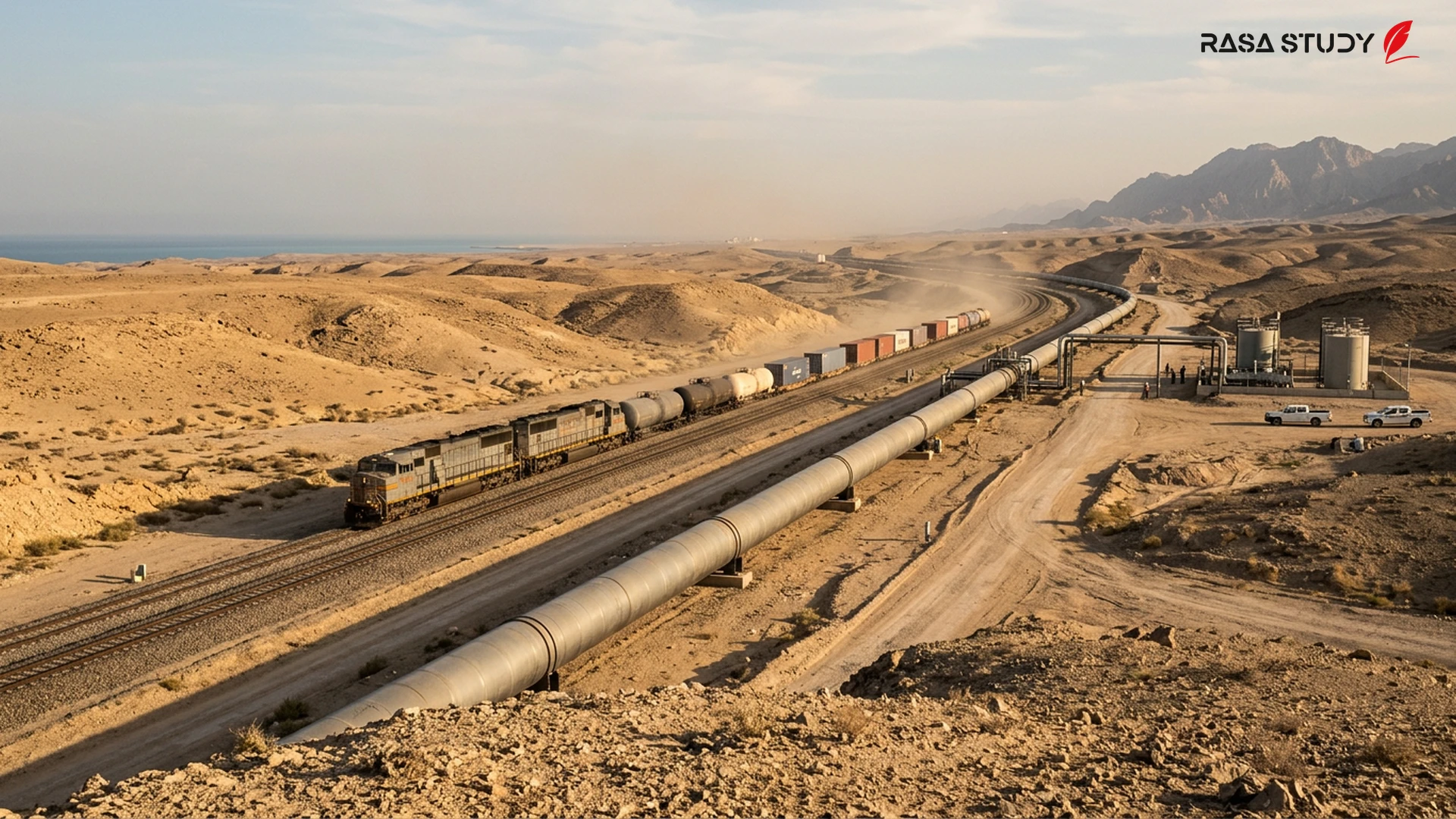
In recent years, Saudi Arabia and the United Arab Emirates have made massive investments to increase the capacity of pipelines that transport oil directly to the Red Sea and the Gulf of Oman. Saudi Arabia’s East-West Pipeline (Petroline) is now operating at maximum capacity, allowing Riyadh to deliver a large portion of its exports to global markets without entering the Persian Gulf [3]. The UAE has also minimized its dependence on the Strait of Hormuz by fully utilizing the Habshan-Fujairah pipeline. In times of crisis, these infrastructures guarantee the security of energy supply and neutralize the effectiveness of threats to close the strait.
Strategic Implications for Iran
For Tehran, these developments signify the erosion of one of its most important deterrence tools. While in the past any tension in the Strait of Hormuz led to a spike in global oil prices and pressure on major powers, the existence of alternative routes has now reduced market sensitivity to movements in this region [1]. Analysts believe that to maintain its influence in global markets, Iran must shift its strategy from a "threat of blockade" toward "participation in regional corridors"; otherwise, it will face further geopolitical isolation.
The development of new pipelines and rail routes in the region has brought dependence on the Strait of Hormuz to a historic low.
linkSources
- Hürmüz'e alternatif enerji güzergahları İran'ın stratejik kozunu tartışmaya açıyor — Anadolu Ajansı (2026-07-17)
- The Iraq Development Road: A New Geopolitical Reality — Al Jazeera (2026-05-12)
- Saudi Arabia expands East-West pipeline capacity to bypass Hormuz — Reuters (2026-06-20)